
What the Black Plague Can Teach Us About the Current Pandemic
A retrospective

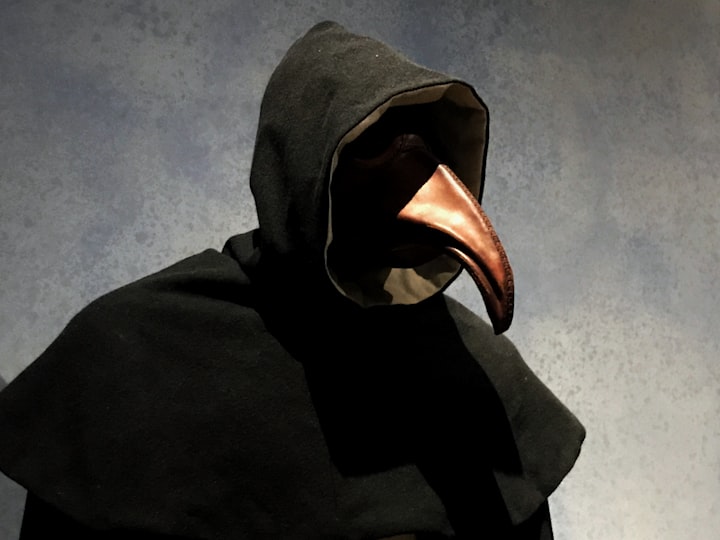
In the later Middle Ages, the Black Plague swept across Europe, decimating approximately one-third of its population, although that figure is contested. The mysterious illness was spread by the usual vermin, rats and fleas, and moved amongst the human continent with no regard for rank, or wealth. Death it seemed, was the great equalizer, and morbidity abounded.
It is easy to read of this earlier time and feel secure in the present, knowing that the worst of these horrors is consigned to the black and white of history. But as our own reality is overcome by a new global pandemic, Covid 19, it becomes more difficult to maintain any sort of impartiality. After all, those who do not know of their history are doomed, naturally, to repeat it.
Sometimes, tragedies have a way of revealing people. The Black Plague, for its part, reaffirmed many aspects of European society. The records we have from this period reveal a society dominated by religious piety and fervor, but not immune to superstition. As the death toll mounted, people increasingly turned to religion to explain the impossibility of their situation. The Book of Revelations, the last and perhaps most disturbing book of the New Testament, which details the end of days and the supremacy of War, Famine, Pestilence, and Death, enjoyed a great deal of popularity. After all, it probably would have seemed like relatable reading material. Peasants and aristocrats alike assumed that God was attempting to punish them for some sin so great it required a new kind of flood of epic and unprecedented proportions.
On the heals of climate change, haphazard bouts of famine, and the outbreak of the Hundred Years War between France and Germany, the Black Plague entered the European theatre with the chaos and destruction of a wild fire. An already malnourished population found itself particularly vulnerable to disease and illness. Doctors were unprepared to combat the sudden influx of illness, which was accelerated by international trade. Although people understood that certain "poisons" corrupted the air, they failed to register that those poisons were in fact bacteria, and so their treatment and prevention methods were not particularly advanced. Doctors recommended bloodletting, sweating, and self-induced vomiting to keep patients alive, with little success. This, combined with the already unsanitary conditions of society were a dangerous confluence of factors that helped the plague spread.
Some of the things that the Black Plague revealed about Europe were not particularly savory. Desperate for a scapegoat, many people turned on Jewish members of their communities, assuming that they had some role in the onslaught. In France and Germany in particular, thousands of Jewish people would be slaughtered. Simultaneously, certain communities and cities attempted to self-isolate, refusing entry to outsiders and barring their gates to halt the spread of infection. Those who could afford to escape urban centers (i.e. the incredibly wealthy) attempted to do so, fleeing to the countryside. This however, frequently spread the plague more swiftly to previously untouched locations. Boccaccio himself wrote of the period that, "Almost no one cared for his neighbor... Brother abandoned brother..."
So the question becomes, what has Covid-19 revealed about us? About the current moment? About the kind of people we are, and the nature of humanity? Has anything changed in the past centuries? Or is history merely doomed to repeat itself constantly?
Recall how we made use of our own scapegoats in the modern era. When CORONA made its debut on the international stage, the sitting President of the United States, Donald Trump made multiple comments about the "Chinese Virus" in tweets and speeches, despite the World Health Organization's plea to not, "attach locations or ethnicities to the disease." What ensued was a tremendous spike in Anti-Asian hate, online and in the real world.
Recall how the richest among us chose to flea urban centers while essential workers were caught picking up the pieces. In one article by the New York Times, Kevin Quealy asserted that in New York City, which was hit particularly hard by the pandemic, "the richest neighborhoods emptied out the most."
Recall how unfounded superstition and fear placed even more lives in jeopardy than we had anticipated, as people across the Western world opted, irrationally, to abstain from masks and vaccinations. The unwillingness to practice social distancing, afterall is surely as if not more insidious as the more archaic European decision to abstain from bathing during the plague. Our lack of logic, however is all the more inexcusable given the advances made in medical science in the centuries since.
Perhaps there are some less distressing connections we might make to the past, if we are willing to wade through the historical quagmire to look for them. For instance, the numbers of clergymen during the plague years experienced a sharp decline because many in that vocation refused to abandon the sick in their time of need, and were subsequently infected. Their sacrifice, might be understood as a precursor to the tremendous sacrifice made by our own modern health care professionals, who have, not only exposed themself to infection, but also willingly taken on the necessary separation periods from their families, and the plethora of mental health issues that come with carrying the load of a deep and aching trauma.
Perhaps, as Mark Twain asserted once, history does not repeat, it merely rhymes. Even if our current moment is vastly different from the later Middle Ages, by virtue of globalization and modern medical science, there are still lessons to be gleaned from that harrowing period.
About the Creator
Katie Alafdal
queer poet and visual artist. @leromanovs on insta
Keep reading
More stories from Katie Alafdal and writers in FYI and other communities.
Egyptian Demonology 101
What do we mean by demons? In contemporary Western society, the word demon encompasses a mess of malevolent connotations. Its invocation evokes half-baked images from "The Exorcist" or at the very least a sense of profound unease. But in Ancient Egypt, the demonic was considered in an entirely different light. So whether you're an aspiring occultist, or someone genuinely interested in the ancient cosmologies and cultures of the Near East, buckle in for a brief description of Egyptian demonology.
By Katie Alafdal5 years ago in FYI


Comments
There are no comments for this story
Be the first to respond and start the conversation.