
WHAT SPORT IN THE OLYMPIC GAMES HAS THE HIGHEST PRIZE?
English


The Olympic Games are a global spectacle where athletes compete for national pride and personal glory. While the primary motivation for many athletes is the honor of representing their countries and achieving peak performance, financial incentives also play a significant role. The prize money and financial rewards associated with different Olympic sports can vary significantly. This article explores which sports in the Olympic Games have the highest prizes and the factors contributing to these financial rewards.
Prize Money from National Olympic Committees (NOCs)
Before diving into specific sports, it's essential to understand that the prize money for Olympic athletes often comes from their respective National Olympic Committees (NOCs) rather than the International Olympic Committee (IOC). Each country decides how much to reward its medal-winning athletes, leading to significant variations in prize money.
High-Prize Olympic Sports
1. Track and Field (Athletics)
Track and field events are among the most popular and high-profile sports in the Olympics. Countries often offer substantial bonuses to their track and field medalists due to the sport's prominence and the intense competition involved.
- United States: The U.S. Olympic and Paralympic Committee awards $37,500 for a gold medal, $22,500 for a silver medal, and $15,000 for a bronze medal. Track and field athletes, who often achieve multiple medals, can earn significant sums.
- Singapore: Offers one of the highest rewards, with 1 million Singapore dollars (approximately $740,000 USD) for a gold medal. Track and field athletes who achieve this feat receive a substantial financial boost.
2. Swimming
Swimming is another sport with considerable financial rewards due to its high visibility and the potential for multiple medals.
- Australia: Known for its strong swimming program, Australia offers significant bonuses to its swimmers. Gold medalists can receive substantial financial rewards from both the government and private sponsors.
- Hungary: A country with a rich swimming tradition, Hungary provides generous bonuses to its medal-winning swimmers. This support helps maintain the country's competitive edge in the sport.
3. Gymnastics
Gymnastics, particularly artistic gymnastics, is one of the most watched Olympic sports. Gymnasts often have opportunities to earn substantial prize money.
- Russia: Offers significant financial rewards to its gymnastics medalists. The country's strong gymnastics tradition and government support contribute to these high prizes.
- China: Another powerhouse in gymnastics, China provides considerable bonuses to its gymnasts who win Olympic medals, reflecting the sport's importance in the country.
4. Weightlifting
Weightlifting might not be as globally popular as track and field or swimming, but it offers substantial prizes in certain countries.
- Kazakhstan: Known for its successful weightlifting program, Kazakhstan offers significant financial rewards to its Olympic medalists. This support has helped the country produce world-class weightlifters.
- Azerbaijan: Another country that provides generous bonuses to its weightlifting medalists, encouraging strong performances on the international stage.
Sponsorships and Endorsements
In addition to direct prize money from NOCs, athletes in high-profile Olympic sports often secure lucrative sponsorship and endorsement deals. These deals can significantly enhance their overall earnings, especially for athletes in sports with a global following.
- Usain Bolt (Track and Field): Beyond the prize money from his Olympic victories, Bolt secured multi-million-dollar endorsement deals with companies like Puma, Gatorade, and Hublot.
- Michael Phelps (Swimming): The most decorated Olympian of all time, Phelps earned substantial sums from endorsements with brands like Under Armour, Visa, and Omega.
Government and Federation Support
Some countries and sports federations provide additional financial support to their athletes, both during and after their competitive careers. This support can include:
- Monthly or Annual Stipends: Some countries offer regular financial support to their athletes, ensuring they can focus on training without financial worries.
- Career Development Programs: Programs designed to help athletes transition to post-competitive careers can include financial grants and job placement assistance.
Factors Influencing Prize Money
Several factors influence the prize money associated with different Olympic sports:
- Popularity and Viewership: Sports with high global viewership and media coverage tend to attract more sponsorship and higher prize money.
- Historical Success: Countries with a strong tradition in a particular sport often invest more in their athletes, resulting in higher financial rewards.
- Government Policies: National policies and priorities regarding sports development can significantly impact the financial incentives offered to athletes.
Conclusion
The Olympic Games showcase a wide range of sports, each with varying levels of financial rewards for athletes. Track and field, swimming, gymnastics, and weightlifting are among the sports with the highest prizes, primarily due to their popularity, historical success, and the financial support provided by their respective countries. In addition to direct prize money from National Olympic Committees, athletes can also benefit from lucrative sponsorships, endorsements, and government support. These financial incentives play a crucial role in enabling athletes to pursue their dreams and achieve excellence on the world's biggest sporting stage.
About the Creator
PDZICOX
Everyday articles.
The information on this page will help you learn more about mystery, news, facts, psychology, geography and more. We will provide the best resources for learning about these topics.
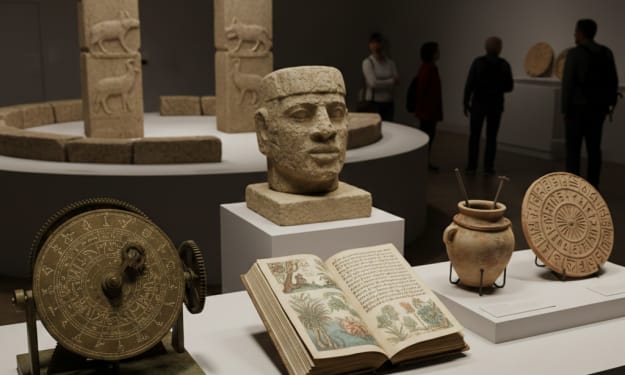
Six Mysterious Historical Discoveries That Still Baffle Experts Today
Historians and archaeologists usually spend their lives buried in old texts or brushing dirt off ancient bones. But every once in a while, they stumble upon something so strange it leaves even experts scratching their heads. As of today, these discoveries still spark heated debates, wild theories, and a whole lot of curiosity.
By Areeba Umairabout 3 hours ago in FYI
Rage
Content Warning: Domestic Violence, Assault Rage D. A. Ratliff “Who did this?” My voice echoed through the house. All I wanted was a cup of tea, but one of the twins, running through the house like maniacs, knocked it over. My nerves tingled, and every muscle in my body felt coiled like a spring. Survival seemed out of reach.
By D. A. Ratliff5 days ago in Fiction


Comments (2)
Nice work
Thanks for this