
What made Spartans extremely dangerous?
Greece | Infographics Show

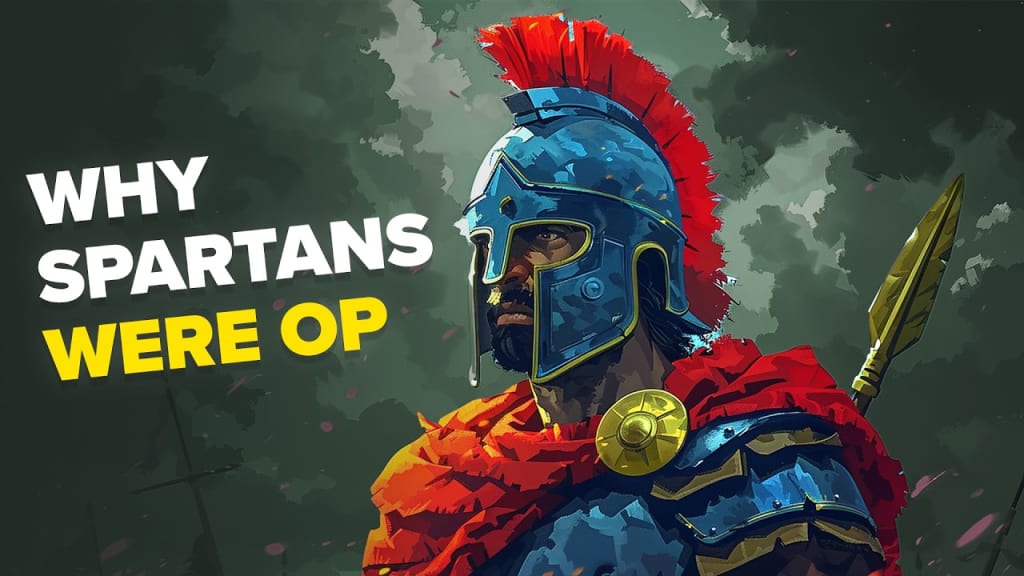
Spartan society was entirely focused on military prowess, unlike other Greek city-states that balanced art, culture, and warfare. 🤫🙄
The Spartan military training, known as 'agoge', began at age 7 and continued throughout a man's life, creating a society of lifelong soldiers. 🤐🥶
Brutal physical conditioning was a cornerstone of Spartan training, including exposure to harsh elements, minimal clothing, and constant exercise they also enforced obedience and discipline. 😤🔥
Here's a fun fact: 90% of Sparta's population were slaves. No wonder they needed an army on steroids - they were paranoid about revolts 24/7. 😱🔗
Plot twist: Spartan women had it pretty good. They could own property, get educated, and even cheat on their husbands. All so the men could focus on their biceps, I guess. 💁♀️📚
The phalanx formation, perfected by Spartans, made them formidable on the battlefield, as seen in battles like Thermopylae. Contrary to popular belief, Spartans didn't always win. Their rigid training sometimes led to a lack of tactical flexibility. 🎲❗
Sparta's focus on creating elite warriors came at the cost of other skills, limiting their ability to sustain long campaigns or occupations. All that muscle was useless when it came to actually running an empire. 🌍🤦♂️
The Spartan reputation for military excellence was partly due to their performance in key battles, but also significantly enhanced by later historical accounts and myths. ❌✅
📝 SOURCES: https://pastebin.com/Ufn9qhS5
About the Creator
Infographics Show
Infographics Show is made up of a group of creative and passionate writers who love to share information in a visual engaging way.
Reader insights
Outstanding
Excellent work. Looking forward to reading more!
Top insights
Easy to read and follow
Well-structured & engaging content
Excellent storytelling
Original narrative & well developed characters
On-point and relevant
Writing reflected the title & theme
Keep reading
More stories from Infographics Show and writers in FYI and other communities.
Partner Visa Appeal Evidence: What Works Best For You
After a Partner Visa refusal, many applicants believe the solution is simple: I’ll just submit more evidence to the ART. But in reality, quantity does not win appeals; relevance and credibility do. So, instead of submitting a bunch of evidence, you must understand what evidence works best for a Partner Visa appeal.
By Indah Melindasari5 days ago in FYI



Comments
There are no comments for this story
Be the first to respond and start the conversation.