
What is The Difference between Architectural Design and Landscape Design?
Landscape Design and Architectural Drawings

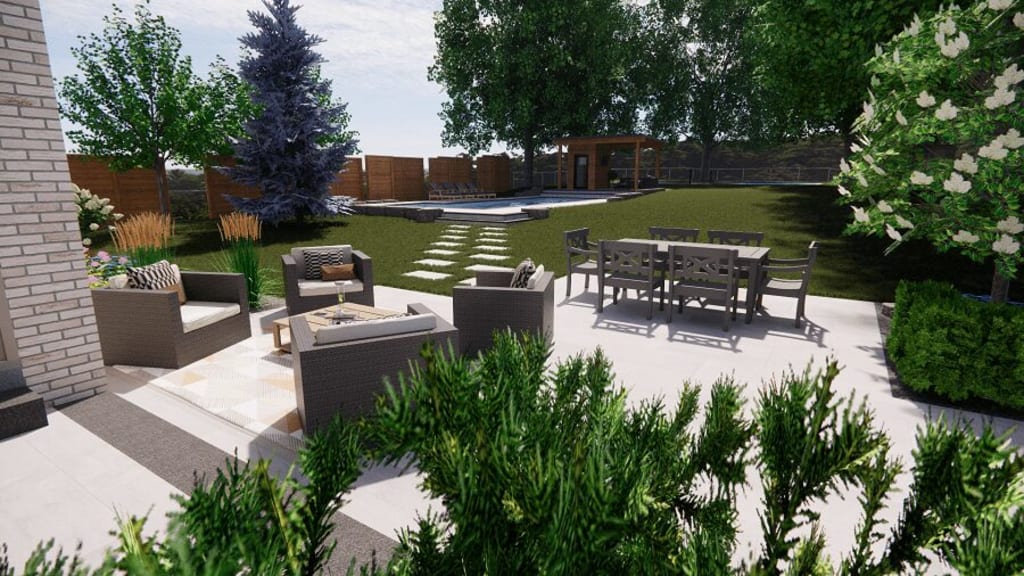
When planning a new project, it’s important to understand the difference between architectural design and landscape design. Both play crucial roles in shaping the environment, but they focus on different elements of the overall space. In Toronto, where both urban development and outdoor spaces are prioritized, the distinction between these two fields is particularly important, as they help create a balanced and cohesive living experience. This article provides a comprehensive look at the differences between architectural design and landscape design, while also considering the impact and tradeoffs of various approaches, particularly within the context of landscape design firms in Toronto.
Defining Architectural Design
Architectural design primarily focuses on the built environment. This includes the design of structures such as buildings, houses, and other physical constructions. Architects consider factors like functionality, aesthetics, safety, and sustainability when planning a building. Architectural design addresses how a building will be used, what materials will be employed, and how the structure will integrate with its surroundings.
In cities like Toronto, architects are particularly mindful of urban density and environmental factors. The goal is often to balance modern construction techniques with sustainability. Architectural design tends to center on interior spaces, circulation patterns, and structural integrity. Architects work closely with engineers, urban planners, and interior designers to bring a project to life.
Defining Landscape Design
Landscape design, on the other hand, deals with the outdoor spaces surrounding structures. It encompasses the planning of gardens, yards, parks, and other natural environments. In Toronto, where green spaces are highly valued, landscape designers work to integrate nature with the urban landscape. Landscape architecture firms in Toronto specialize in creating aesthetically pleasing and functional outdoor spaces that improve the overall quality of life for residents.
Landscape designers take into account factors like plant selection, topography, drainage, lighting, and how people will interact with outdoor spaces. Whether designing a public park or a private garden, they seek to create spaces that harmonize with the environment while remaining functional and sustainable.
Key Differences Between Architectural Design and Landscape Design
1. Focus Area
Architectural Design: Primarily deals with man-made structures like buildings, bridges, and towers. The design work revolves around internal spaces and structural elements.
Landscape Design: Focuses on the design and development of outdoor spaces, including vegetation, water features, and pathways, with an emphasis on natural elements.
2. Material Use
Architectural Design: Relies on concrete, steel, glass, wood, and other building materials. The goal is to ensure durability, safety, and aesthetic appeal.
Landscape Design: Primarily deals with living materials such as plants, trees, and flowers, along with elements like water features and stone paths to create an aesthetically appealing environment.
3. Purpose
Architectural Design: Aims to provide functional spaces for living, working, or recreation, with an emphasis on structure and form.
Landscape Design: Seeks to create aesthetically pleasing and functional outdoor environments, enhancing the space around a structure.
4. Integration
Architectural Design: Often focuses inward, developing spaces for human activity within the walls of the building.
Landscape Design: Tends to focus outward, ensuring that outdoor spaces complement the structure and blend seamlessly with the natural surroundings.
Tradeoffs and Challenges in Balancing Design Elements
Balancing architectural and landscape design requires a delicate mix of considerations. In cities like Toronto, where landscape architecture firms frequently collaborate with architects, the challenge often lies in ensuring that the building and surrounding landscape complement each other without competing for attention.
1. Aesthetic vs. Functionality
Designers must often weigh the aesthetic appeal of a building or landscape against its functionality. For instance, an ultra-modern building may require a minimalist landscape design to avoid overpowering the structure. On the other hand, a more traditional building may benefit from a lush, intricate garden that enhances the overall design.
2. Environmental Impact
Both architectural and landscape designers must consider sustainability. Architects in Toronto often aim for LEED certification, ensuring buildings are energy-efficient and environmentally friendly. Similarly, landscape designers might focus on water conservation, native plants, and eco-friendly materials.
3. Space Constraints
In urban settings like Toronto, space is often limited, which presents a unique challenge for both architects and landscape designers. Architects must design buildings that fit within the available space, while landscape designers need to create functional outdoor areas, even when space is minimal.
The Importance of Collaboration
In order to create harmonious spaces, collaboration between architectural and landscape designers is essential. Both professionals must work together to ensure that the building and landscape work in tandem, complementing each other to enhance the user’s experience. In Toronto, many landscape design firms work closely with architects from the outset of a project, ensuring that the outdoor and indoor environments feel like cohesive elements of a single design.
Conclusion
Understanding the difference between architectural design and landscape design is crucial when planning a building or outdoor space. While architectural design focuses on creating functional and aesthetically pleasing structures, landscape design enhances the surrounding environment by incorporating natural elements and sustainability. In Toronto, where urban and outdoor spaces are both highly valued, balancing the two disciplines can result in beautiful, functional spaces that improve the quality of life for residents.
Both fields have their own set of challenges and tradeoffs, but when integrated properly, they can create a seamless and enjoyable environment that meets the needs of both form and function. By working with experienced landscape architecture firms in Toronto, you can ensure that your outdoor spaces complement and enhance the architecture of your home or building.
About the Creator
Jeremy Lerner
I work as a Co-Chief Executive Officer at Land-Con, which is a landscapes & pool design company in Toronto.
Visit us: https://www.landcon.ca/
Keep reading
More stories from Jeremy Lerner and writers in FYI and other communities.
Stamped Concrete: A Modern Choice for Elegant Outdoor Spaces
Stamped concrete has become a highly popular option in Toronto for enhancing the look of outdoor spaces like patios, driveways, and walkways. It offers a durable, aesthetically pleasing solution that mimics more expensive materials such as natural stone, slate, and wood, without the hefty price tag. This comprehensive guide covers everything you need to know about stamped concrete in Toronto, from its benefits and installation process to cost considerations and maintenance tips.
By Jeremy Lernerabout a year ago in FYI
Bomb Scare
It was 2027, and the world never thought it would happen. A missle hit the United States, but it wasn't where they had anticipated. A little town in the northeast was hit by a missile strike, they didn't know why, and they didn't know exactly where it hit, but they did know it was a coastal community, somewhere between Maine and Delaware.
By Gregory Payton5 days ago in Fiction


Comments
There are no comments for this story
Be the first to respond and start the conversation.