
What is known about seals: 40 Fun Facts
Seals are found along most coasts and cold waters, but a majority of them live in the Arctic and Antarctic waters.

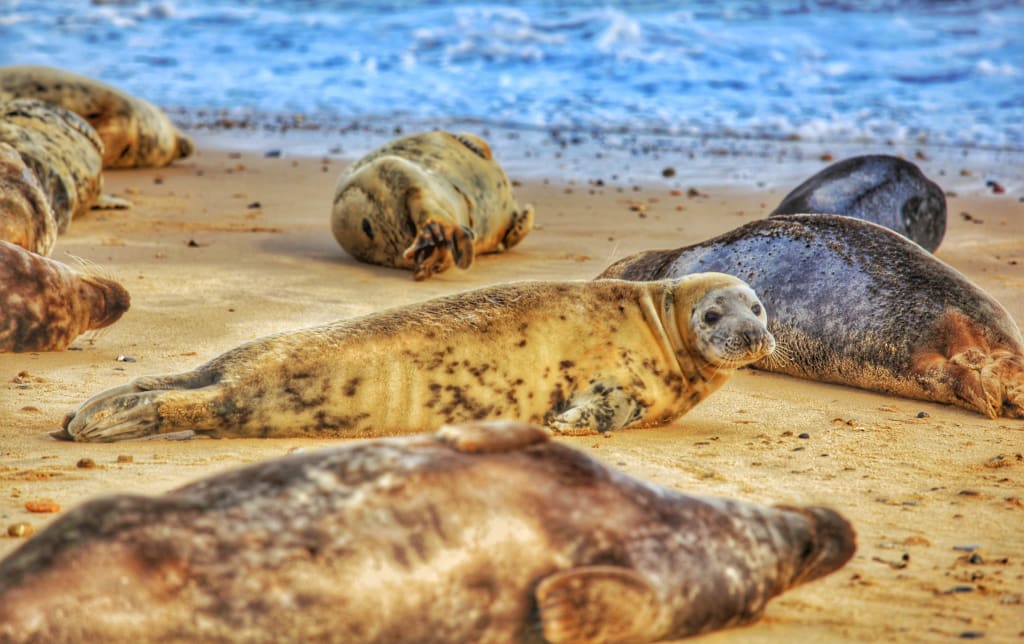
Seals are among the most captivating and adaptable marine mammals in the animal kingdom. With their expressive eyes, sleek bodies, and playful behavior, these creatures have fascinated people for centuries. Found in a variety of climates and environments, from icy polar regions to temperate coastlines, seals exhibit a remarkable range of survival skills and behaviors. Though often mistaken for being simple or lazy beach dwellers, seals are in fact complex animals with impressive physical abilities and social structures. The following collection of fun and informative facts reveals just how extraordinary seals truly are.
- Seals belong to a group of animals called pinnipeds, which also includes sea lions and walruses. These marine mammals are characterized by their flippers, streamlined bodies, and aquatic adaptations.
- There are over 30 different species of seals in the world. These species are generally divided into two main categories known as true seals and eared seals, depending on their physical traits.
- True seals, like the harbor seal, lack external ear flaps and have short front flippers. In contrast, eared seals, such as sea lions and fur seals, have visible ear flaps and stronger front flippers that allow them to walk on land more easily.
- Seals are excellent swimmers and can dive to impressive depths in search of food. Some species can reach depths of over 1,500 meters and stay underwater for more than an hour.
- The Weddell seal is one of the deepest diving seals. It can dive over 600 meters and remain submerged for more than 70 minutes by slowing its heart rate and conserving oxygen.
- A thick layer of blubber helps seals stay warm in cold ocean waters. This insulating fat also provides an energy reserve during times when food is scarce.
- Seals use their whiskers, known as vibrissae, to detect vibrations and movements in the water. These sensitive hairs can pick up the smallest disturbances caused by prey swimming nearby.
- Despite their aquatic nature, seals come ashore to rest, mate, give birth, and molt. Many species haul out on beaches, rocky shores, or even ice floes in large groups.
- Seal pups are born with a thick, fluffy coat known as lanugo. This soft fur helps keep them warm until they develop a thicker layer of blubber and waterproof adult fur.
- The mother seal’s milk is incredibly rich in fat, often containing more than 50 percent fat content. This allows pups to gain weight rapidly, sometimes doubling their body weight in just a few days.
- Male seals can be fiercely territorial during the breeding season. They often fight with other males to defend their harem of females and secure mating opportunities.
- Elephant seals are the largest of all seal species. Male southern elephant seals can reach lengths of up to 6 meters and weigh over 4,000 kilograms, making them true giants of the marine world.
- Seals communicate through a variety of vocalizations, body movements, and postures. Some species are known for their eerie underwater songs, especially during mating season.
- Harp seals are easily recognizable by the harp-shaped pattern on their backs. Their pups are famously covered in pure white fur, which has unfortunately made them a target for hunting in the past.
- Leopard seals are apex predators in their environment. They feed on fish, squid, and even other seals or penguins, using their powerful jaws and sharp teeth to capture prey.
- The Baikal seal is the only species that lives exclusively in freshwater. Found in Lake Baikal in Siberia, it has adapted to the unique conditions of this ancient and isolated lake.
- Seals have large eyes that are well adapted for underwater vision. Their eyes are particularly sensitive to low light, allowing them to see in the dim depths of the ocean.
- The nostrils of seals automatically close when they dive underwater. This helps prevent water from entering their lungs and allows them to stay submerged longer.
- Seals sleep in the water by floating in a position called bottling, where only their noses poke out above the surface. This enables them to breathe while remaining mostly submerged and safe from predators.
- During the molting season, seals shed their outer layer of fur and skin. This process can take several weeks and often requires them to spend more time resting on land.
- Seals play an important role in marine ecosystems. As both predators and prey, they help maintain the balance of fish populations and support the diet of larger predators like orcas and sharks.
- The Galápagos fur seal is the smallest of all seal species. Adult males typically weigh around 65 kilograms and are found only in the Galápagos Islands.
- Seals can slow their heart rate significantly while diving. This physiological adaptation allows them to conserve oxygen and prioritize blood flow to vital organs.
- In some cultures, seals hold spiritual or mythological significance. For example, Celtic legends speak of selkies, magical seal-people who can shed their skins and become human.
- Seal hunting has historically been practiced by Arctic communities for food, clothing, and oil. Today, many conservation efforts aim to protect seal populations while respecting indigenous traditions.
- Climate change poses a major threat to seals, particularly species dependent on sea ice like the ringed seal. Melting ice reduces their breeding grounds and increases the risk of predation.
- Seals can sometimes be seen surfing waves or playing in the surf. This playful behavior is not only fun to watch but may help them practice hunting techniques or strengthen muscles.
- The monk seal is one of the most endangered seal species in the world. Both the Mediterranean and Hawaiian monk seals face critical threats from habitat loss and human disturbance.
- Seals have a strong sense of smell and can recognize the scent of their pup or mother. This olfactory ability helps them bond and locate each other in crowded colonies.
- Rehabilitation centers around the world care for injured or orphaned seals. These facilities nurse them back to health and, whenever possible, release them back into the wild.
- Seals have a unique way of moving on land called galumphing. They use their bellies and rear flippers to inch forward in a manner that looks awkward but is surprisingly efficient.
- In some cases, seals have been trained by the military for underwater reconnaissance. Their intelligence and agility make them suitable for certain specialized tasks.
- Seals are generally social animals and form colonies or rookeries during breeding seasons. These groups can include hundreds or even thousands of individuals gathered on the same beach.
- Seals’ lungs collapse slightly when they dive deep, which helps avoid nitrogen absorption and prevents decompression sickness. This is another example of their remarkable diving physiology.
- Arctic seals, like the bearded seal, produce vocalizations that can travel long distances through the ice-covered ocean. These calls are often used to attract mates or establish territory.
- Seals do not chew their food. Instead, they tear it into chunks or swallow it whole, depending on the size and type of prey.
- Some species of seals, like the crabeater seal, have specially adapted teeth that act like filters. These help them trap and eat tiny krill and other small crustaceans.
- Seals are often victims of entanglement in marine debris such as fishing nets and plastic waste. Conservation groups work to remove these hazards and promote cleaner oceans.
- During extreme weather, seals can shelter in ice caves or snow drifts. These temporary shelters provide protection from wind, predators, and freezing temperatures.
- Seals have a unique form of thermoregulation. They can shunt blood away from their skin surface in cold water to retain heat and redirect it to the surface when on land to cool down.
Seals are far more than just adorable animals lounging on a beach. Their abilities to dive deep, survive harsh climates, and communicate in sophisticated ways make them truly fascinating creatures. As we learn more about their lives and behaviors, we also discover how crucial they are to the health of marine ecosystems. Understanding and appreciating seals encourages us to protect the oceans they call home.
Sources used and useful links on the topic of the article:
- https://millionfacts.co.uk/30-interesting-facts-about-seals
- https://www.worldwildlife.org/species/seals
- https://www.britannica.com/animal/seal-mammal
- https://www.nationalgeographic.com/animals/mammals/facts/seals-pinnipeds-walruses-sea-lions
What do you know about Monaco? Share interesting facts about it in the comments below 👇
About the Creator
MillionFacts UK
Each post covers topics like science, history, animals, and space in a fun and easy-to-read way.
Keep reading
More stories from MillionFacts UK and writers in FYI and other communities.
What is known about Monaco: 40 Fun Facts
Nestled along the glamorous French Riviera, Monaco is a tiny principality that captivates the imagination with its opulence, charm, and unique character. Though it is one of the smallest countries in the world, Monaco boasts a history and lifestyle that rival much larger nations. From world-famous casinos and luxurious yachts to royal dynasties and sporting extravaganzas, this microstate has no shortage of fascinating features. Despite its small size, Monaco plays an outsized role on the global stage, attracting celebrities, investors, and tourists alike. Here are some of the most intriguing and entertaining facts about Monaco that reveal the many layers of this remarkable destination.
By MillionFacts UK7 months ago in FYI


Comments (1)
Seals are amazing! I knew they were good swimmers, but didn't realize they could dive so deep. Fascinating stuff. Their whiskers are a cool adaptation. I've always been intrigued by how animals use unique features to survive.