
What Is Dialectical Behavioral Therapy and How Does It Work?
DBT Therapy How Does It Work


Have you ever felt trapped in an endless loop of intense emotion, unable to calm yourself down or connect with others? That’s where Dialectical Behavioral Therapy comes in. It’s not just therapy-it’s a skills-based lifeline. Dialectical Behavioral Therapy (DBT) helps people navigate emotional storms, live more meaningfully, and build the resilience they need day-to-day.
Let’s dive into what this approach is and how it truly works.
Origins and Core Philosophy of Dialectical Behavioral Therapy
First developed in the late 1970s and early 1980s by psychologist Dr. Marsha Linehan, Dialectical Behavioral Therapy was a response to traditional CBT’s limitations. Many individuals with borderline personality disorder (BPD) struggled with rigid thinking and frequent self-harm and dropped out of CBT.
Dialectical Behavioral Therapy emerged as a synthesis of acceptance and change, where the therapist validates a patient’s current experience while gently pushing toward healthier behavior.
The term dialectical refers to holding two opposing truths simultaneously-understanding that you are doing your best and need to improve. That dual focus underpins Dialectical Behavioral Therapy.
Its mission: create a sustainable "life worth living" through coached skill building.
Who Can Benefit from Dialectical Behavioral Therapy?
Originally designed for BPD and chronically suicidal adults, the scope of Dialectical Behavioral Therapy has grown. It now helps individuals with:
- Borderline Personality Disorder
- Self-harm or suicidal behavior
- Substance use disorders
- Depression or bipolar disorder
- PTSD and eating disorders
- Emotional dysregulation in ADHD or anxiety
Clinical trials have shown that Dialectical Behavioral Therapy significantly reduces self-injury and suicidal behavior, impulsivity, anger, and crisis interventions-even compared to other therapies.
The Structure: How Dialectical Behavioral Therapy Works
Dialectical Behavioral Therapy follows a structured, multi-component model. A typical DBT program includes:
- One-on-one therapy sessions (typically weekly, 60–90 minutes) focusing on personal goals and coaching.
- Skills training groups (usually weekly for 1.5–2 hours) to teach core DBT skills in a class-like format.
- Phone coaching or in‑the‑moment support to help apply skills in real life.
- Therapist consultation teams to support providers, prevent burnout, and ensure high-quality care.
These components work together to ensure that Dialectical Behavioral Therapy is not just theoretical, but practical and applicable.
The Four Core Dialectical Behavioral Therapy Skills
Central to Dialectical Behavioral Therapy are four main skills that are taught and practiced:
- Mindfulness
Learning to stay grounded in the present moment-observing thoughts and feelings without judgment or avoidance. Mindfulness forms the foundation of all DBT work.
- Distress Tolerance
Developing tolerance for intense emotions without resorting to harmful coping strategies. Instead of impulsive reactions, individuals learn tools like distraction, self-soothing, or radical acceptance.
- Emotion Regulation
Identifying and shifting strong emotional states. This includes recognizing triggers, reducing emotional vulnerability, and increasing positive emotional experiences.
- Interpersonal Effectiveness
Building assertiveness skills to navigate relationships: saying “no,” asking for help, and managing conflict-all while maintaining self-respect and healthy boundaries.
Real-World Progress: Evidence That Dialectical Behavioral Therapy Works
Meeting in a therapy room isn’t where DBT ends-the goal is to improve real life. Research shows:
- About 77% of participants no longer met BPD diagnostic criteria after a year of Dialectical Behavioral Therapy, according to a randomized clinical trial .
- Meta-analyses confirm that DBT reliably lowers self-harm and suicidal thoughts more than comparison therapies.
- Studies also show effectiveness in regulating impulsive behaviors related to substance use, binge‑eating, and PTSD symptoms.
Let’s be honest-these are serious issues, and Dialectical Behavioral Therapy delivers real relief when practiced consistently.
What a Typical Course of Dialectical Behavioral Therapy Looks Like
Curious how Dialectical Behavioral Therapy actually unfolds over time? Here’s a simplified sketch:
- Initial assessment and commitment period (often 6–12 months depending on severity).
- Weekly:
- One individual therapy session
- One group skills training
- Phone coaching as needed
3.Homework to practice skills between sessions.
4.Ongoing therapist consultation to maintain treatment quality.
Short-term DBT (6 months) shows good results, but longer-term programs often yield deeper, more durable change.
Why Dialectical Behavioral Therapy Stands Out
Dialectical Behavioral Therapy differs from other therapies in key ways:
- Balanced approach: combines acceptance and change
- Skill-based learning: replaces self-destructive habits with adaptive strategies
- Real-life coaching: applying skills when you need them, not just in session
- Clearly defined structure: multiple therapists and supports improving consistency
As Dr. Linehan described it, Dialectical Behavioral Therapy is about building “a life worth living,” not just reducing symptoms.
Tips for Making Dialectical Behavioral Therapy Work for You
To maximize outcomes when engaging with Dialectical Behavioral Therapy:
- Commit to practicing skills daily-not just during sessions. “I’ve been there” with homework fatigue, but consistency is key.
- Choose a certified DBT provider, ideally someone trained by DBT‑LBC or Behavioral Tech.
- Use group classes and phone coaching proactively-these are where skills move into real life.
- Track progress over time using mood logs or behavior diaries.
- Stay open to the dialectic of acceptance and change: acknowledge where you are and strive for growth.
Final Thoughts
Dialectical Behavioral Therapy is more than therapy-it’s a structured path to emotional resilience. It works best when practiced consistently and under the guidance of trained professionals. The combined power of acceptance and change, backed by real-world evidence, means Dialectical Behavioral Therapy helps people redefine their relationship with intense emotion, build satisfying relationships, and reduce destructive patterns.
If you're exploring therapy options, consider reaching out to a licensed clinician trained in Dialectical Behavioral Therapy. The skills you learn could reshape how you live, relate, and heal.
Feeling constantly overwhelmed isn’t something you have to accept as normal. If your emotions often feel too intense or unmanageable, it might be time to explore a better path. Many individuals search dialectical behavior therapy near me to find resourceful providers like Growth thru Change.
Read Our Recent Published Article : What to Expect in Your First In-Person Therapy Session
About the Creator
Leah Lord
Hi, I'am Leah,
I help therapy practices grow by creating content that connects. From DBT and trauma therapy to ketamine-assisted psychotherapy, I work behind the scenes with expert clinicians Visit Us - In-person therapy Philadelphia
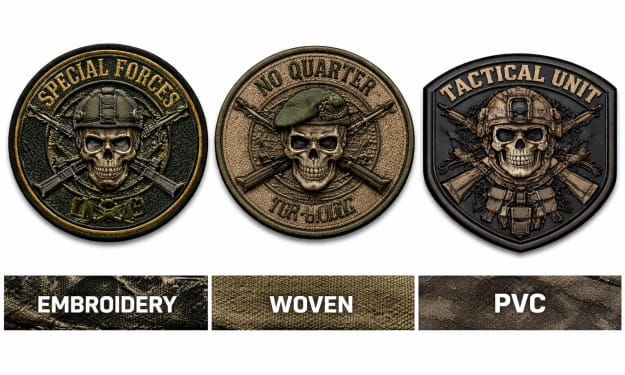
Which Military Patch Is Best: Embroidered, PVC, or Woven?
Military patches serve as powerful symbols of pride, honor, and identity. These small yet significant emblems proudly represent specific units, ranks, missions, and achievements, carrying stories that extend well beyond mere fabric and thread. When it comes to selecting the best type of military patch, however, one crucial question often arises: Should you opt for embroidered, PVC, or woven patches?
By Willamsoneabout 14 hours ago in FYI



Comments
There are no comments for this story
Be the first to respond and start the conversation.