
What is chain link fence made of
Understanding chain link fence materials


Chain link fences are a popular choice for both residential and commercial properties due to their durability, affordability, and low maintenance requirements. Understanding the materials used in the construction of chain link fences can help in making informed decisions for your fencing needs.
Materials Used in Chain Link Fences
Galvanized Steel
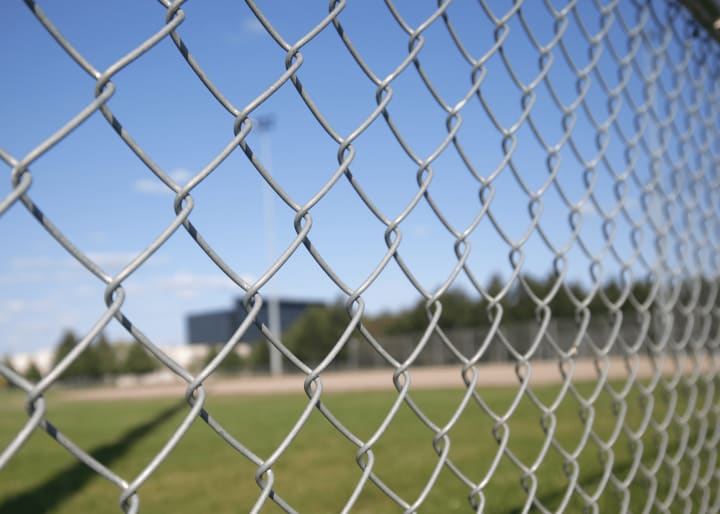
Galvanized steel chain link fence is the most common material used in the production of chain link fences. This type of steel is coated with a layer of zinc to protect it from rust and corrosion. The galvanization process involves immersing the steel wire in molten zinc, creating a robust barrier against environmental elements. Galvanized steel chain link fences are known for their strength, longevity, and resistance to harsh weather conditions.
Vinyl-Coated Steel
Vinyl-coated chain link fence offers an additional layer of protection and aesthetic appeal. After the steel wire is galvanized, it is coated with a layer of vinyl. This coating not only enhances the fence's resistance to corrosion but also allows for a variety of color options to match landscaping or architectural styles. Vinyl-coated chain link fences are particularly popular in residential areas and sports facilities due to their enhanced durability and visual appeal.
Stainless Steel

Stainless Steel Chain link fence offer a strong protection against corrosion. The material composition of stainless steel ensures a longer life compared to other fence types.
Aluminum

Aluminum is another material used for chain link fences, known for its lightweight nature and resistance to rust. Unlike steel, aluminum does not require galvanization because it naturally forms an oxide layer that protects it from corrosion. Aluminum chain link fences are often used in coastal areas where exposure to saltwater can cause significant rusting in other metals. They are also favored for their low maintenance and long-lasting qualities.
Components of Chain Link Fences
Framework
The framework of a chain link fence consists of posts, rails, and fittings that support the chain link mesh. These components are typically made of galvanized steel or aluminum, ensuring a sturdy and reliable structure.
Line Posts: These are the vertical posts placed at regular intervals along the fence line, providing support to the mesh.
Terminal Posts: Positioned at the ends, corners, and gate locations, terminal posts are more robust to handle the added tension.
Top Rails: These horizontal bars run along the top of the fence, connecting the line posts and providing additional stability.
Bottom Rails or Tension Wire: These components run along the bottom of the fence to keep the mesh taut and secure.
Chain Link Mesh
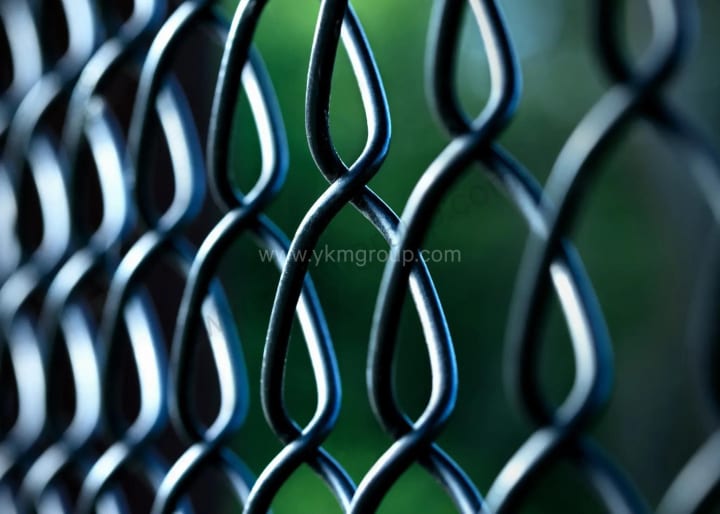
The chain link mesh, also known as the fabric, is the primary barrier of the fence. It is made by weaving steel wire into a diamond pattern, creating a flexible and durable structure. The mesh can be customized in various heights and gauges (thicknesses) to meet different security and aesthetic requirements.
Coatings and Treatments
To enhance the performance and appearance of chain link fences, several coatings and treatments are applied:
Galvanization: As mentioned, this process involves coating steel with zinc to prevent rust and corrosion.
Vinyl Coating: A plastic layer that adds color and extra protection to the galvanized steel.
Polymer Coating: Another type of plastic coating that can provide superior resistance to UV rays and chemicals.
Installation Process
Planning and Preparation
Proper planning and preparation are crucial for a successful chain link fence installation. This involves:
Surveying the Area: Ensuring the fence line is accurately marked and clear of obstructions.
Obtaining Permits: Checking with local authorities for any required permits or regulations.
Gathering Materials: Ensuring all necessary components and tools are on hand.
Setting Posts
The installation begins with setting the posts:
Digging Post Holes: Holes are dug to the appropriate depth, usually about one-third the length of the post.
Setting Posts in Concrete: Posts are placed in the holes and set with concrete to ensure stability and longevity.
Aligning and Leveling: Posts are aligned and leveled before the concrete sets.
Attaching Framework and Mesh
Once the posts are set, the framework and mesh are installed:
Attaching Rails: Top rails and bottom tension wires are attached to the posts.
Hanging Mesh: The chain link mesh is unrolled and attached to the framework, typically starting from one end and working across.
Securing Mesh: The mesh is stretched tight and secured to the posts and rails with ties or clips.
Maintenance and Longevity
Chain link fences are relatively low maintenance, but regular inspections and minor upkeep can extend their lifespan:
Routine Inspections: Check for any signs of damage, rust, or loose fittings.
Cleaning: Occasionally washing the fence with water and mild detergent can remove dirt and debris.
Repairs: Promptly repairing any damage can prevent further issues and maintain the fence's integrity.
About the Creator
YKM Group
YKM Group, established in the year 1984 with capacity to manufacture wire cloth, welded wire mesh, chain link fence, shade net and wires with total production area of 156,000 square meters.
A Failed Artist, A Disillusioned Poet, An Underpaid Game Show Host
I took my son and niece to Gori, a small town in Georgia where Joseph Stalin was born. They talked me into visiting the Stalin's Museum, the largest in the post-Soviet space. I had resisted going there because I just can't stand the monster and know enough about him, or so I thought.
By Lana V Lynx7 days ago in FYI
Have You Seen This Man? The Surreal Mystery of the World’s Most Common Face
Have you ever woken up with the lingering image of a stranger’s face in your mind? For most of us, these faces fade within minutes. But for thousands of people across the globe, one specific face refuses to leave: a man with thick eyebrows, thinning hair, and a subtle, unreadable smile.
By Areeba Umaira day ago in FYI



Comments
There are no comments for this story
Be the first to respond and start the conversation.