
Benefits of Using Expanded Mesh in Construction
Discover the key benefits of using expanded mesh in construction, from enhanced durability and safety to modern aesthetics and sustainability.

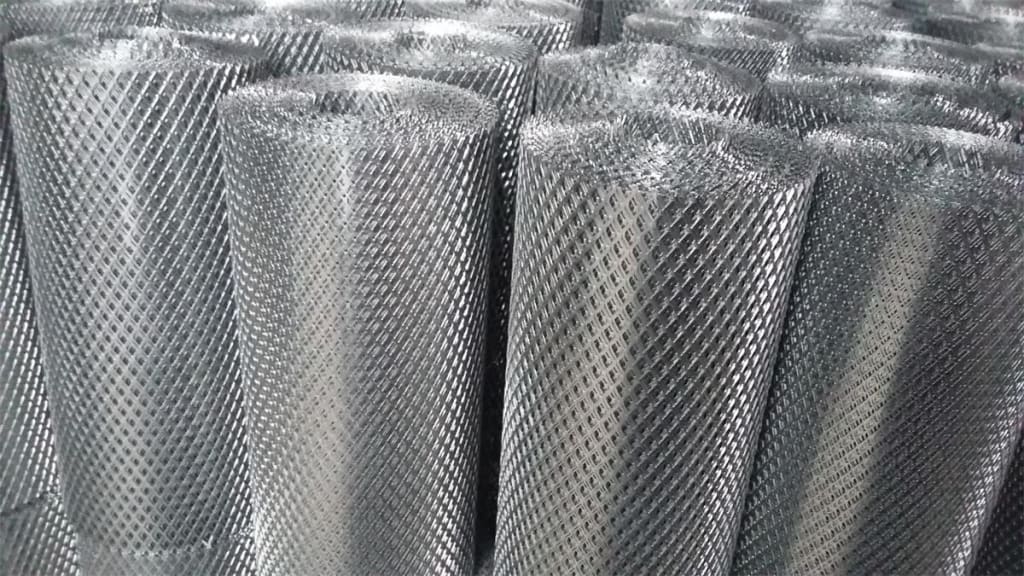
In modern construction, materials play a pivotal role in determining not only the structural integrity but also the aesthetic appeal, safety, and sustainability of a project. Among the versatile materials gaining popularity is expanded mesh, a product made by cutting and stretching metal sheets into a mesh-like pattern.
This versatile and durable product offers numerous advantages, making it an excellent choice for various construction applications.
In this blog post, we will explore the benefits of using expanded mesh in construction, including its strength, flexibility, cost-efficiency, and sustainability. Whether you're a contractor, architect, or DIY enthusiast, understanding how expanded mesh can enhance your projects will help you make informed decisions.
What is Expanded Mesh?
Expanded mesh is a sheet of metal that has been cut and stretched to form a diamond-shaped pattern. It is created by slitting a solid metal sheet and then stretching it to produce an open, rigid mesh.
Unlike woven or welded wire mesh, it is a single, continuous piece of material, which ensures superior strength and durability. Materials used to produce expanded mesh include steel, aluminium, stainless steel, and copper, depending on the specific application and environmental conditions.
Types of Expanded Mesh Used in Construction
Before delving into the benefits of using expanded mesh in construction, it's important to understand the different types commonly used:
1. Standard (Raised) Expanded Mesh: Features a rough surface for high grip and load-bearing applications.
2. Flattened Expanded Mesh: The mesh is rolled to produce a smooth, flat finish, ideal for aesthetic and lightweight uses.
3. Micro Expanded Mesh: Suitable for filtering or decorative purposes.
4. Heavy-Duty Expanded Mesh: Thicker and stronger for structural or high-impact areas.
Each type offers specific advantages, but all share the core properties that make expanded mesh in construction a valuable asset.
Read more on types of expanded mesh.
Top Benefits of Using Expanded Mesh in Construction
Structural Strength and Durability
One of the primary benefits of using expanded mesh in construction is its excellent strength-to-weight ratio. Unlike traditional wire mesh, expanded mesh retains the structural integrity of the original metal sheet, making it resistant to impacts, heavy loads, and harsh weather conditions.
• Ideal for industrial flooring, walkways, and safety barriers.
• Resists corrosion when made from stainless steel or galvanized materials.
• Long-lasting performance reduces maintenance costs.
This makes expanded mesh an ideal choice for:
• Walkways and platforms
• Stair treads and catwalks
• Facades and protective screens
Its ability to withstand high loads and resist wear and tear ensures long-term durability, even in harsh environments.
Cost-Efficiency and Material Optimization
Another critical advantage of using expanded mesh in construction is its cost-effectiveness. During the manufacturing process, the metal sheet is stretched rather than punched, resulting in minimal waste. This makes it a more sustainable and budget-friendly option compared to perforated sheets or welded mesh.
Additionally, its durability ensures long-term savings on replacements and repairs.
• Lower material costs compared to perforated metal or welded mesh.
• Reduced transportation expenses due to lightweight nature.
• Long lifespan decreases overall project expenses.
Superior Ventilation and Light Transmission
Expanded mesh offers excellent airflow and light permeability due to its open design, making it perfect for applications where ventilation and visibility are crucial. This makes it highly suitable for areas that require ventilation or natural lighting without compromising on protection. Applications include:
• Used in building facades, security screens, and fencing.
• Enhances natural lighting in interior spaces.
• Prevents moisture buildup, reducing mold and rust risks.
By using expanded mesh in construction, architects can create energy-efficient buildings with natural air and light circulation, reducing the dependency on artificial lighting and HVAC systems.
Enhanced Safety and Anti-Slip Properties
Enhances safety is a top priority in construction, and expanded mesh contributes significantly to creating secure environments. The raised surface of standard expanded mesh provides natural anti-slip properties, making it ideal for:
• Industrial flooring
• Stairs and walkways
• Temporary access ramps
Additionally, the mesh acts as a physical barrier, offering protection around hazardous machinery or on elevated platforms, minimizing the risk of accidents on-site.
Versatility in Design and Application
Expanded mesh is highly adaptable and can be customized in terms of material, thickness, hole size, and pattern. This flexibility allows architects and builders to use it for both functional and aesthetic purposes. It can be used as:
• Reinforcement in concrete
• Decorative panels for modern architectural designs.
• Security enclosures and fencing
• Partitions and ceilings
• Protective cages
This versatility makes expanded mesh in construction an all-in-one solution that serves both structural and aesthetic purposes, streamlining design choices and material sourcing.
Read more about expanded mesh applications.
Aesthetic Appeal and Architectural Flexibility
Expanded mesh isn’t just functional—it’s also a visually appealing material. Architects use it to create contemporary facades, partitions, and sunshades with striking patterns and textures.
The aesthetic benefits of expanded mesh in construction include:
• Customizable opening sizes and patterns
• Available in a range of colours and finishes
• Enhanced building identity and modern design appeal
It’s particularly popular in commercial and public buildings where design plays a vital role in user experience and brand image.
Corrosion Resistance and Longevity
When treated with the appropriate coating or made from corrosion-resistant metals like aluminium or stainless steel, expanded mesh offers excellent resistance to rust and chemical degradation. This makes it suitable for:
• Coastal construction
• Chemical plants
• Outdoor installations
Using expanded mesh in construction enhances the lifespan of structures and reduces maintenance costs, especially in corrosive environments.
Easy Fabrication and Installation
Another major advantage of expanded mesh in construction is how easy it is to fabricate, cut, bend, and install. It can be molded into various shapes without compromising structural integrity, which simplifies installation on-site.
It’s compatible with various construction techniques, including welding, bolting, and framing. The ease of handling also means faster project completion times and lower labour costs
Security and Privacy
In addition to its structural and design roles, expanded mesh serves as a security measure in buildings and public infrastructure. Its design can deter unauthorized access while maintaining visibility and airflow.
Common uses include:
• Perimeter fencing
• Window and door grills
• Enclosures for HVAC units or generators
With growing concerns over safety and security, expanded mesh in construction offers a simple yet effective solution for controlled access and asset protection.
Conclusion
The benefits of using expanded mesh in construction are clear: it offers strength, durability, aesthetic appeal, ventilation, safety, and sustainability—all at a competitive cost. As construction practices continue to evolve toward more efficient and eco-friendly solutions, expanded mesh stands out as a smart material choice that aligns with both functional and architectural goals.
From reinforced concrete and walkways to facades and security panels, expanded mesh in construction is reshaping how we build. Its multifaceted properties make it not only a practical choice but also a strategic one, ensuring long-term value across a variety of building types.
If you're planning a new project or looking to enhance an existing structure, consider the numerous advantages of incorporating expanded mesh in construction—a material that truly combines form with function.
About the Creator
YKM Group
YKM Group, established in the year 1984 with capacity to manufacture wire cloth, welded wire mesh, chain link fence, shade net and wires with total production area of 156,000 square meters.
A Failed Artist, A Disillusioned Poet, An Underpaid Game Show Host
I took my son and niece to Gori, a small town in Georgia where Joseph Stalin was born. They talked me into visiting the Stalin's Museum, the largest in the post-Soviet space. I had resisted going there because I just can't stand the monster and know enough about him, or so I thought.
By Lana V Lynx7 days ago in FYI
The Deepest Hole on Earth: Why We Stopped Digging Toward Hell
You know that colorful diagram of the Earth’s layers you’ve been staring at since third grade? The one with the crust, mantle, and core that looks like a giant jawbreaker? Well, here’s a reality check: we aren’t actually 100% sure that’s how it works.
By Areeba Umaira day ago in FYI
Day 4 of Quitting
If this is how sobriety feels, maybe it’s better to go through life a little buzzed… this, along with other hits like, I want to kill myself, I wish I was dead, and I’m going to throw myself off a bridge have been the only thoughts on rotation these past few days. I promise myself that if, in a month, I still feel like this (‘this’ meaning despondent, full of rage, and simultaneously numb) I can go back to smoking. Until mid-February though? Nicotine is off the table.
By sleepy drafts5 days ago in Longevity



Comments
There are no comments for this story
Be the first to respond and start the conversation.