
What I Learned About Hail Damage Repairs After My First Car Was Caught in a Supercell
A first-time car owner’s journey through a summer supercell, dented panels, and the surprising realities of hail damage repairs.
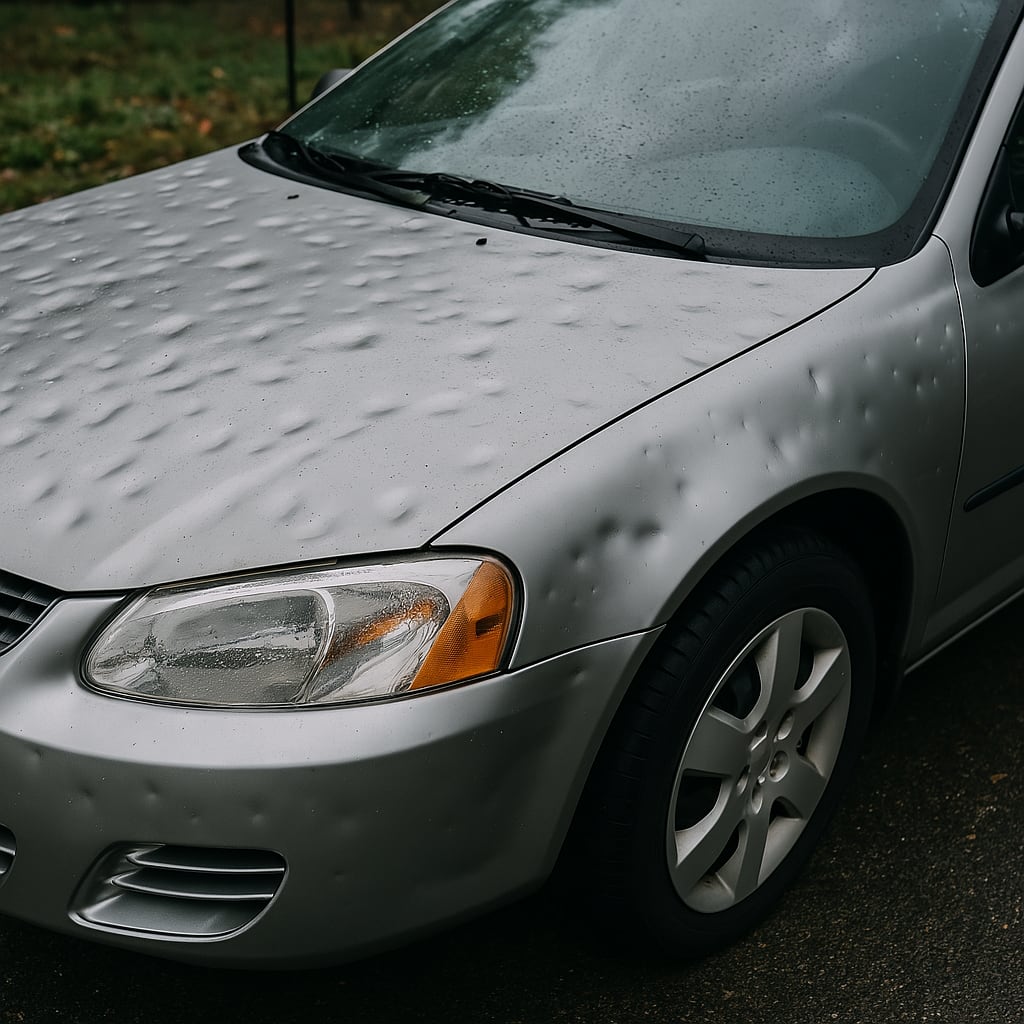
There’s something unforgettable about your first car. Mine was a hand-me-down silver hatchback that smelled faintly of vanilla air freshener and independence. It wasn’t flashy, but it was mine—and I loved it. What I didn’t expect was that just months into owning it, a freak weather event would leave me googling hail damage repairs in a panic.
Here’s what I wish I’d known before that storm hit—and what I learned the hard way about protecting your vehicle when nature strikes.
The Day the Sky Turned Grey
It started like any ordinary summer afternoon. I was driving home from work when the sky darkened unnaturally. The air turned heavy, and then, as if someone had flipped a switch, hail started pelting down like marbles from the clouds.
There was nowhere to take cover. I pulled over and waited it out, flinching with every loud thunk on the roof. When the storm passed, I stepped out to assess the damage—my bonnet and roof looked like a golf ball. I didn’t realise it at the time, but that moment kicked off a weeks-long learning curve into the world of hail damage repairs.
Dented, Soaked and Stressed
That night, I showed my friends the damage. “It’s just cosmetic,” one said. “It adds character,” joked another. Even my insurance hotline didn’t seem overly concerned. I figured I’d wait until the next service to sort it out.
What I didn’t realise was that those shallow dents weren’t just an aesthetic issue—they were a potential gateway to deeper problems like rust, paint chipping, and reduced resale value. When I finally took the car in weeks later, moisture had already started getting into the clear coat. That meant a more complicated (and costly) fix than if I’d acted sooner.
This isn’t a tale of tragedy. But it is a story about how not to handle storm damage—and why delaying repairs can backfire.
The Realities of Hail Damage Repairs
Hail doesn’t discriminate. Whether you’ve got a brand new SUV or a trusty used sedan, your car’s metal panels are vulnerable to even moderate hailstorms. And in many parts of Australia, especially across Queensland and New South Wales, these storms aren’t rare—they’re seasonal.
When I finally got around to researching hail damage repairs, I was hit by a wall of jargon: PDR, panel beating, OEM finish, insurance approvals. Most people assume any old panel beater can handle hail dents, but that’s not always true.
I stumbled across the concept of Paintless Dent Repair (PDR)—a technique where specialists remove dents without damaging the paintwork. It’s faster, less invasive, and retains the car’s original finish. It was exactly what my little silver hatchback needed.
Choosing the Right Help
If you’re anything like me, you probably rely on Google, forums, and a few friend recommendations to make big decisions. That’s how I found DKC Dents. Their website explained the process in plain English, offered examples of completed jobs, and even broke down how hail damage car repairs work in coordination with insurance claims.
What stood out was their transparency and specialisation. They weren’t just a general mechanic or spray painter who also does hail damage—they were focused specifically on this type of repair. It made a difference.
From booking the inspection to getting the repairs done, the process was smooth. And because they used PDR, I didn’t lose my original paint finish or need a full respray.
Lessons Learned From the Storm
Here’s what I’ve come to understand—lessons that go beyond just car maintenance:
1. Hail damage isn’t just visual
Sure, a few dents might seem like a harmless inconvenience, but they can lead to rust, insurance headaches, or roadworthy issues down the track.
2. Timing matters
The longer you wait, the harder it is to repair damage cleanly. PDR is most effective when the paint hasn’t been compromised.
3. Cheap isn’t always cost-effective
I considered a few “mates’ rates” quotes from backyard shops, but they didn’t offer warranties or insurance coordination. Going with a specialist may save money in the long run.
4. Your car’s resale value is at stake
When it came time to sell the hatchback a year later, having documentation that repairs were done professionally helped me retain value and buyer confidence.
Weathering Future Storms
Now, I park undercover whenever there’s even a hint of a summer storm. I also keep a list of reputable repairers saved in my phone—just in case.
More importantly, I no longer ignore the “small stuff.” That hailstorm taught me that things like dents, cracks, and water damage don’t stay small for long. The earlier you act, the easier your life is down the line.
If you’ve recently been caught in a hailstorm or have minor dents that you’ve been putting off repairing, consider getting a professional opinion. Even if it seems like overkill, it’s worth protecting the investment you’ve made in your vehicle.
Resources That Helped Me
If you’re curious about similar experiences or stories of personal growth through unexpected challenges, check out “How My Car Accident Changed Me” on Vocal.Media. It’s a raw, reflective take on resilience that echoes some of what I felt after the storm.
You might also find “My First Car” worth reading—it’s a nostalgic piece that reminds us just how attached we become to our vehicles, even when they’re less-than-perfect.
About the Creator
Keep reading
More stories from Rochelle Martinez and writers in FYI and other communities.
Spare Parts and Second Chances: The Beauty of Fixing What’s Broken
Sometimes, all it takes is a few good parts to bring something back to life. Whether it's a broken-down car sitting in a driveway, a career that’s lost direction, or a heart that’s been through too much — the idea of throwing something away when it’s damaged has become far too normal. We’re often taught that when something stops working, it’s better to replace it than repair it. But what if there’s still value under the surface? What if broken things, like people and machines, just need the right spare parts — and a little care?
By Rochelle Martinez10 months ago in FYI
The Devil's Cut
“Comrade, finally you’re awake.” The voice was smooth, sensual. A flickering incandescent bar was all that lit the white, sterile room. All Vladimir remembered was everything going black. He tried to move his arms and found them strapped to the gurney.
By Matthew J. Fromm4 days ago in Fiction


Comments
There are no comments for this story
Be the first to respond and start the conversation.