
What Gear Do Kids Need for Jiu-Jitsu Training?
A Complete Guide to Essential Jiu-Jitsu Gear for Kids Starting Their Training Journey.

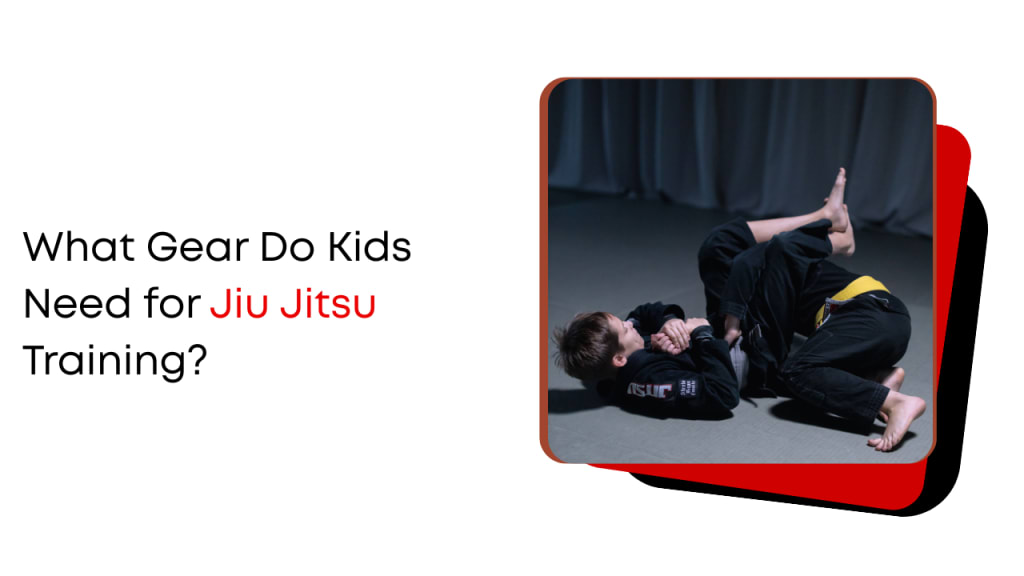
I still remember my daughter’s first Jiu Jitsu class. She was six years old, full of nervous energy, tugging at the oversized gi I bought online at the last minute. Within ten minutes, the sleeves were dragging across the mats, and the belt wouldn’t stay tied. She spent more time adjusting her uniform than practicing the techniques. That day, I learned an important lesson: the right gear matters, especially for kids starting their martial arts journey.
If you’re a parent considering enrolling your child in Jiu Jitsu, you might be wondering-what gear do they really need? And more importantly, how do you avoid wasting money on unnecessary extras while still making sure your child is safe, comfortable, and confident on the mat? Let’s break it down step by step.
The Foundation: The Gi
The gi (pronounced “gee”) is the most iconic piece of Jiu Jitsu gear. Think of it as both the uniform and the tool of the sport. Kids grip sleeves, collars, and pant legs to practice submissions and escapes.
But not all gis are created equal. For kids, fit is everything. A gi that’s too big becomes a safety hazard, while one that’s too small restricts movement. Most academies follow IBJJF sizing charts for kids, which range from M0 to M4. Lightweight gis are often best for children—they dry faster, don’t overheat the body as much, and are easier for little arms to manage.
Personal tip: When I bought my son’s first gi, I went one size up so he could “grow into it.” Big mistake. He tripped over the pants, and his coach politely suggested a smaller size. It’s worth buying the right fit now, even if you have to replace it sooner.
Rash Guards for Comfort and Hygiene
Underneath the gi, many gyms recommend kids wear rash guards. These are tight-fitting, stretchy tops made of moisture-wicking fabric. They prevent mat burns, reduce skin-to-skin contact, and help minimize bacterial exposure (a real concern in grappling sports).
Rash guards are also required for no-gi Jiu Jitsu, where kids train without the gi and rely on shorts and compression wear instead. For hygiene alone, I’d argue rash guards are non-negotiable. Plus, kids love the colorful designs, which can make them more excited to train.
Belts: More Than Just a Strap
A belt in Jiu Jitsu isn’t just for holding the gi together—it’s a marker of progress. For kids, there are more ranks than in the adult system, so they get frequent recognition as they advance. That constant feedback is important for motivation.
When buying a belt, choose one recommended by your child’s academy. Sizes usually match the gi, but what really matters is learning how to tie it properly. If you’re a parent, practice tying it a few times at home—you’ll thank yourself when class starts and your child looks at you for help.
Protective Gear: Keeping Kids Safe
Safety is always top of mind for parents, and while Jiu Jitsu is generally safer than striking martial arts, protective gear still matters. Depending on the academy, here’s what you may need:
- Mouthguard – Protects teeth during rolling sessions. Kids resist at first, but most adapt quickly.
- Knee pads – Useful for kids with sensitive joints or when training on older mats.
- Ear guards – Less common for children, but some parents prefer them to prevent “cauliflower ear” (a condition from repeated friction on the ears).
- Groin protectors – Optional but sometimes recommended for boys.
Let’s face it-kids can be clumsy. A mouthguard saved my nephew from a chipped tooth during his third week of training. It’s a small investment for peace of mind.
No-Gi Gear: When the Gi Comes Off
Most academies eventually introduce no-gi training. For this, kids need a rash guard and shorts without pockets or zippers (to prevent injuries). Some parents assume basketball shorts will do, but they can get caught or torn during training.
Specially designed no-gi shorts are durable, flexible, and safe for grappling. They’re worth adding to your child’s gear bag if no-gi is part of their program.
Extras That Make Training Smoother
While not essential, these extras can make a big difference:
- Water bottle – Hydration is key; kids sweat a lot during rolling.
- Gym bag – Keeps gear organized and separate from school supplies.
- Flip-flops or sandals – Most academies require students to wear footwear off the mat to maintain hygiene.
- Towel – For quick clean-ups after class.
These little details often go unnoticed until you’re the parent scrambling to find a water bottle in the car right before class.
First-Hand Experience: Watching Kids Grow
One of the most rewarding things I’ve seen as a parent is how the right gear boosts confidence. My daughter’s first properly fitted gi made her walk taller on the mat. She wasn’t fiddling with her uniform anymore; she was focused, engaged, and proud of how she looked.
It reminded me that kids don’t just need gear for safety—they need it to feel like they belong. When they look the part, they act the part, and that confidence carries over into school, friendships, and everyday life.
Things Parents Should Keep in Mind
Before rushing out to buy every item on the list, here are a few pointers:
- Check academy rules first. Some gyms only allow white gis or specific colors.
- Buy quality, not quantity. A durable gi and rash guard can last through growth spurts if cared for properly.
- Teach responsibility. Encourage your child to pack and carry their own gear bag-it builds independence.
- Budget realistically. Initial gear costs can feel steep, but most items last for months, if not years.
Conclusion
Jiu Jitsu is more than a martial art-it’s a journey of discipline, confidence, and resilience for kids. The right gear doesn’t just protect them; it helps them thrive in the environment, focus on learning, and truly enjoy the process.
Whether it’s a snug-fitting gi, a trusty rash guard, or a simple mouthguard, each piece plays a role in shaping their experience. And when you see your child light up after mastering their first technique without tugging at their sleeves or worrying about slipping, you’ll know the gear was worth it.
If you’re exploring the best way to prepare your child, start with the basics, invest in safety, and remember-it’s about giving them the tools to grow both on and off the mats. And when done right, Jiu Jitsu for kids becomes less about training and more about building a foundation for life.
About the Creator
Angela R. Taylor
Hey community I’m Angela R. Taylor With a deep passion for Brazilian Jiu-Jitsu, I coach students of all levels, focusing on technique, discipline, and personal growth.
Keep reading
More stories from Angela R. Taylor and writers in FYI and other communities.
Brazilian Jiu-Jitsu Benefits You Should Know
There’s something uniquely powerful about Brazilian Jiu Jitsu (BJJ), a blend of skill, strategy, and spirit that captivates millions around the world. I’ve been there, stepping onto the mats for the first time with a mix of nerves and excitement, not quite knowing how much this martial art would change my life. Let’s face it, BJJ is more than just a fight sport; it’s a lifestyle that offers physical strength, mental grit, and a sense of community that’s hard to find elsewhere.
By Angela R. Taylor5 months ago in FYI
A Failed Artist, A Disillusioned Poet, An Underpaid Game Show Host
I took my son and niece to Gori, a small town in Georgia where Joseph Stalin was born. They talked me into visiting the Stalin's Museum, the largest in the post-Soviet space. I had resisted going there because I just can't stand the monster and know enough about him, or so I thought.
By Lana V Lynx20 days ago in FYI
Hello You”: The Small Greeting With a Big Human Meaning
“Hello you” is one of the simplest phrases in the English language, yet it carries a surprising amount of emotional, cultural, and social weight. At first glance, it seems informal, even throwaway—something said without much thought. But when examined closely, “hello you” reveals how language adapts to intimacy, technology, and the human need for recognition in an increasingly fast-paced world.
By Salaar Jamali4 days ago in FYI



Comments
There are no comments for this story
Be the first to respond and start the conversation.