
What Do the Symbols on the Gravestones Mean?
The iconography of unique cemetery symbols

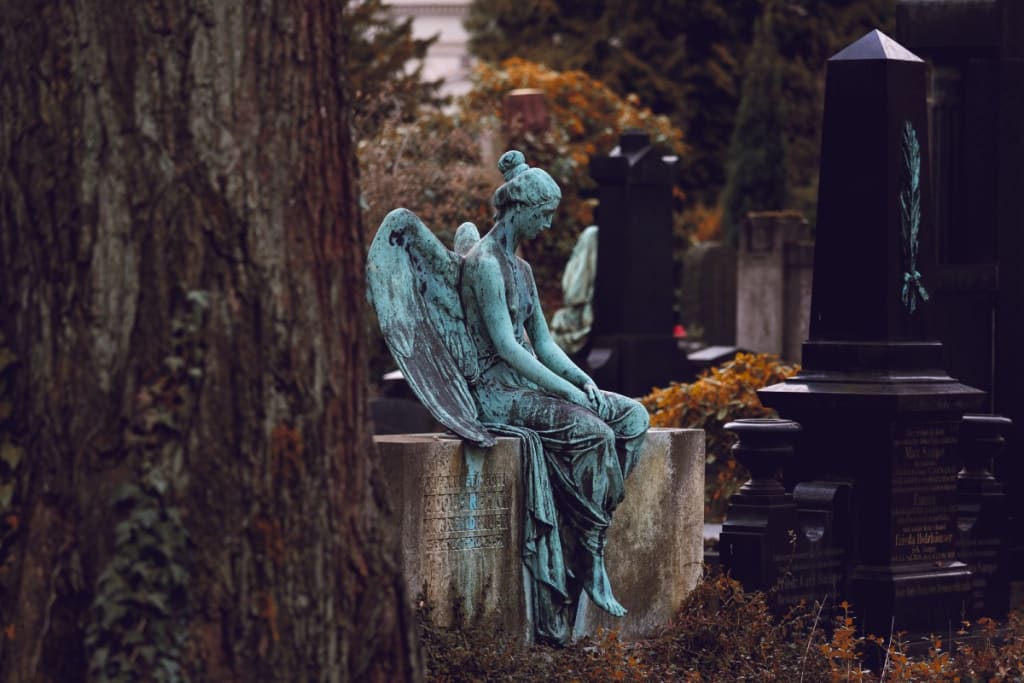
The Great Awakening that began in the early 18th century witnessed a dramatic shift in the popular notions and rituals surrounding the afterlife. The puritan motifs that tend to feature straightforward images of mortality and death faded and cemeteries began to incorporate classical and Egyptian decorative motifs.
Victorian culture played a vital role in the gradual transition of American cemeteries and most importantly in the development of the Rural Cemetery Movement. Rural cemeteries became popular in the United States and Europe in the mid-nineteenth century. They were usually built 5–10 miles away from the city hustle but close enough for visitors.
This transition clearly marked a fundamental change in the iconography of cemetery symbols and romanticism became an integral aspect of the cemetery's emotional and spiritual function amongst the living.
The Laura Hill Cemetery in Philadelphia, USA is a classic example of a rural cemetery that is adorned with symbols on the gravestones. This became the first cemetery in the United States to be designated a National Historic Landmark.
But have you ever pondered the meaning behind these symbols on the gravestones? This article will take you through the symbolism of common cemetery symbols that are being used in modern times.
The meaning of unique symbols on the gravestones
Obelisks
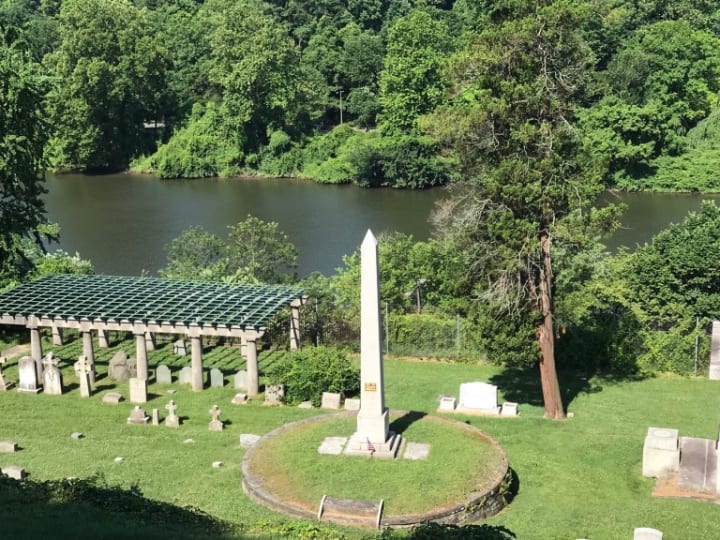
Apparently, the rural cemetery movement was highly eclectic and it drew influences from a wide variety of people and places through time and space. The architecture of Egyptian monuments in Europe was carried to other Christian-dominated countries and obelisks were found almost in all rural cemeteries.
The obelisk represents the wealth and prestige of the deceased. The ancient connotations of the obelisk also work to suggest a sense of impermeability to the effects of time.
Inverted torch
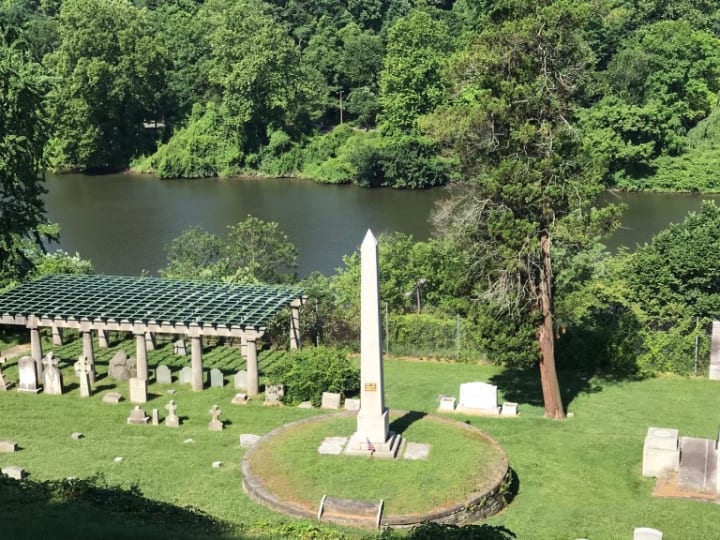
The inverted torch was closely associated with Roman mythology. However, the torches were needed by Romans to conduct funerals at night and light the pyre. The inverted torch is no longer in common use in the modern cemetery but we might see it as a decorative motif on a tombstone.
There are two types of an inverted torch - flaming and extinguished - either alone, in pairs or crossed. If the inverted torch has a flame, it symbolizes the flame of eternal life and the Christian belief in the resurrection. If there is no flame, it means the extinction of life and mourning.
Draped urn
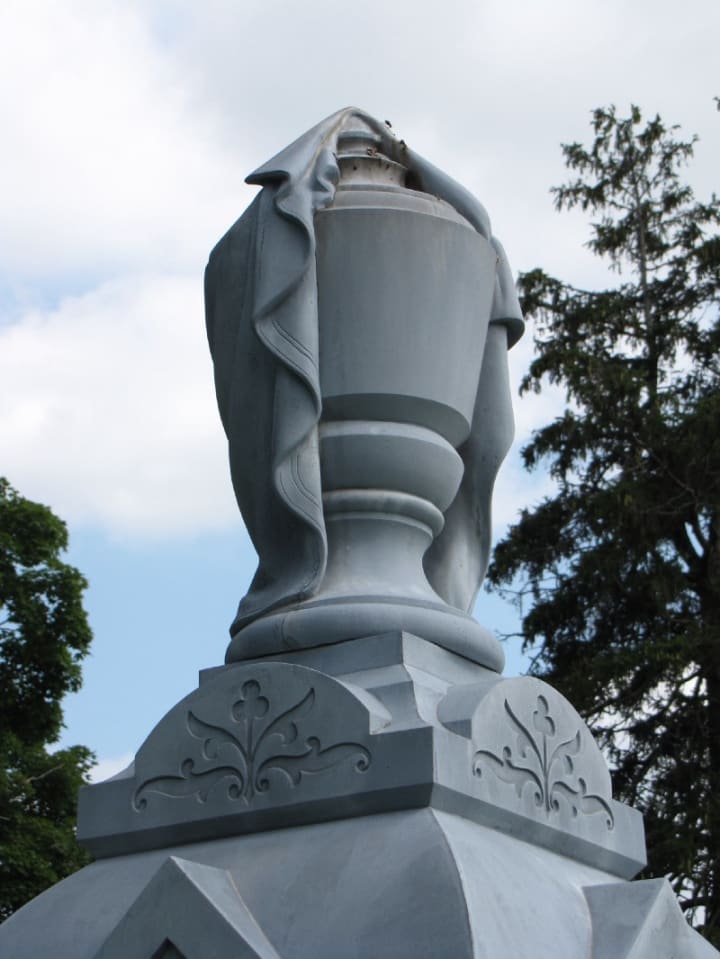
The urn is one of the most commonly used cemetery monuments. The urn dates back to classical civilization when the Pagan religion carried out cremation and the urn was used to store the ashes of the deceased. But it became common in the rural cemeteries as decorative motifs and continued to be closely associated with death.
The urn represents mourning and the drapery seen on headstones usually depicts the veil between life and death and the crossing of that plane. To others, it can symbolize God's protection until Resurrection.
Open book
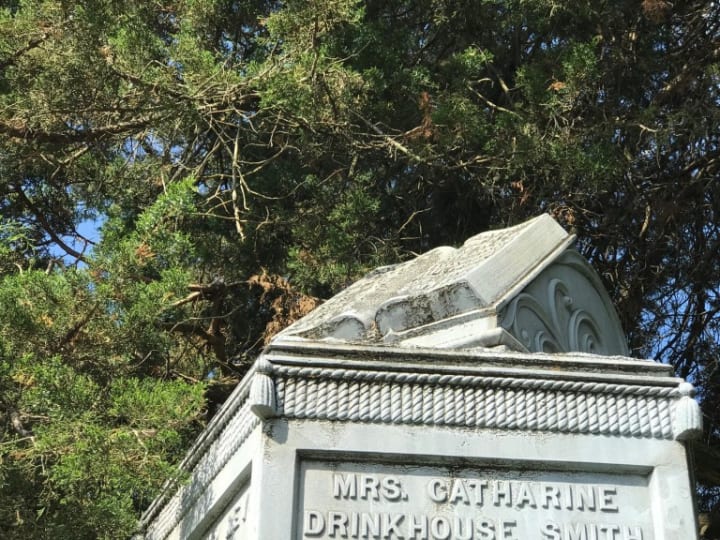
While it is easy to overlook an open book on a grave, but books constitute profound symbology for the dead.
An open book found on the cemetery grave or grave marker can represent many different things. The personality of the deceased (scholar or a bibliophile), their accomplishments, a reflection of their good deeds, or simply a religious book.
Broken pillar
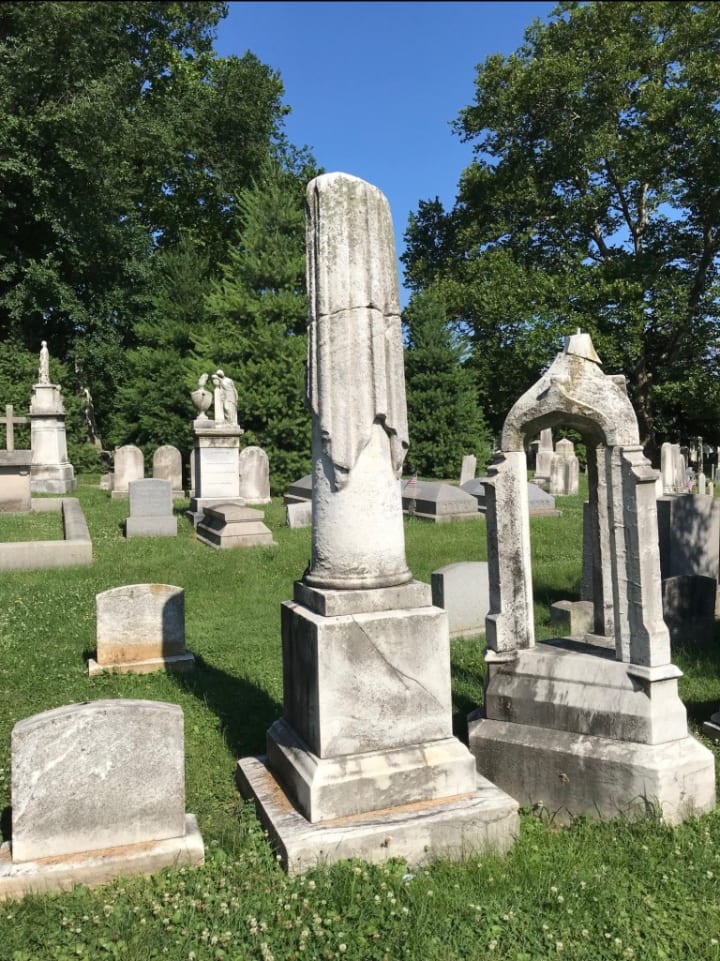
Pillars usually depict a good long life but when the pillar is intentionally sculpted to be broken, it indicates a life cut short or someone who died young.
These are a few uncommon symbols found in the cemeteries; the next time you pay a visit to a cemetery, you might interpret some of the symbols.
----------------------------------------------------------------------------------------
About the Creator
Kamna Kirti
Art enthusiast. I engage with art at a deep level. I also share insights about entrepreneurship, founders & nascent technologies.
https://linktr.ee/kamnakirti
Keep reading
More stories from Kamna Kirti and writers in FYI and other communities.
The Art of Traveling in Style: A Guide to Luxury Travel Services
Traveling has always been more than just moving from one place to another—it’s a chance to discover, unwind, and experience life in ways that stay with you forever. But there’s a distinct difference between a standard trip and a journey that feels truly luxurious. Luxury travel services are not just about expensive hotels or first-class flights; they are about crafting experiences that are seamless, personalized, and meaningful.
By All 4 Season5 days ago in FYI
A System That Isn’t Working Challenge Winners
Systems promise order. They organize behavior, distribute opportunity, and suggest that if everyone follows the rules, things will work. The entries in A System That Isn’t Working look closely at what happens when that promise begins to slip.
By Vocal Curation Team3 days ago in Resources




Comments
There are no comments for this story
Be the first to respond and start the conversation.