
What Causes Increased Hair Fall During the Monsoon Season?
Causes Increased Hair Fall

The monsoon season is a pleasant relief after the sweltering summer days. It is characterized by high humidity and fluctuating weather patterns, often bringing various hair-related issues, making it more prone towards breakage and loss.
Hence, excessive hair fall is a common concern during this time, and understanding its causes can help in managing and controlling the condition effectively. Here’s a closer look at the factors contributing to hair fall during the monsoon season and some tips for hair fall treatment.
What are the causes of hair fall during the monsoon season?
Humidity and Excess Moisture: Increased hair fall during the monsoon is primarily due to high humidity, which leads to a greasy scalp and fungal infections. This damp environment weakens hair strands, making them more prone to breakage and shedding.
Scalp Infections and Fungal Growth: The monsoon season's increased moisture fosters fungal and bacterial growth, leading to dandruff and itchy scalp. Regular use of anti-fungal shampoo can help control these infections and reduce hair fall.
Hormonal Fluctuations: Seasonal changes, like the monsoon, can affect hormone levels and disrupt the hair growth cycle, leading to increased hair fall. Monitoring these changes and consulting a healthcare professional may help.
Nutritional Deficiencies: Monsoon weather can alter dietary habits, causing nutritional deficiencies that contribute to hair fall. A balanced diet rich in vitamins, iron, and zinc is essential for maintaining hair health.
Stress and Anxiety: Seasonal changes can impact mental well-being, with increased stress and anxiety during the monsoon exacerbating hair fall. Stress-relief activities like yoga and meditation can help mitigate this effect.
Contact with rainwater: Rainwater, though it seems clean, can contain pollutants and chemicals that may irritate and damage your hair and scalp. These impurities can weaken hair strands and increase the risk of breakage.
Read More About Monsoon Diseases
What are the treatment and control strategies for hair fall?
1. Hair Care Routine: Adopting a proper hair care routine is essential for hair fall control. Use mild, sulfate-free shampoos that suit your hair type. Avoid washing your hair with hot water and limit the use of hair styling tools that generate heat.
2. Scalp Health: Maintain a clean and healthy scalp by using anti-fungal and anti-dandruff shampoos if needed. Regularly massage your scalp with nourishing oils like coconut or almond oil to improve blood circulation and strengthen hair roots.
3. Nutritional Support: Ensure your diet includes adequate nutrients that promote hair health. Foods rich in vitamins A, C, D, E, and minerals such as iron and zinc can support healthy hair growth. Supplements can also be consumed if dietary intake is inadequate.
4. Blood Tests for Hair Loss: If hair fall persists despite these measures, consult a healthcare professional for a thorough evaluation. A blood test for hair loss can identify underlying deficiencies or hormonal imbalances contributing to the problem.
5. Hair Fall Tips:
Opt for loose hairstyles to prevent tension and breakage.
Use a wide-tooth comb to detangle hair gently.
Stay hydrated to maintain scalp moisture.
Conclusion
In conclusion, understanding the causes of increased hair fall during the monsoon season and implementing effective hair fall treatment and control measures can significantly reduce the impact on your hair health. By addressing scalp issues, maintaining proper nutrition, and managing stress, you can mitigate hair fall and promote a healthier scalp. If problems persist, seeking professional advice and appropriate blood tests for hair loss may provide further insights into effective treatment options.
Frequently Asked Questions (FAQs)
How to regrow hair in monsoon?
To regrow hair during the monsoon, maintain a consistent hair care routine that includes gentle cleansing and conditioning to remove excess moisture and prevent scalp irritation. Additionally, use anti-frizz and strengthening treatments to protect hair from humidity and reduce breakage.
In which month does hair fall the most?
Hair fall tends to be more pronounced during the fall months, particularly September and October, due to seasonal changes. This increase is often linked to the natural shedding cycle, where hair that has been in the growth phase throughout summer is shed to make way for new growth.
About the Creator
Keep reading
More stories from Profile Connect and writers in FYI and other communities.
Can you get Hypoglycemia Without Being Diabetic?
What is hypoglycemia? Hypoglycemia, commonly known as low blood sugar, is often associated with diabetes, where it can occur as a side effect of insulin or other glucose-lowering medications. However, it's possible to experience hypoglycemia without having diabetes. Hypoglycemia is generally defined as a blood glucose level below 70 mg/dL, but the threshold can vary slightly depending on individual health conditions and measurement methods.
By Profile Connectabout a year ago in FYI
The Pride Flag and the Diversion
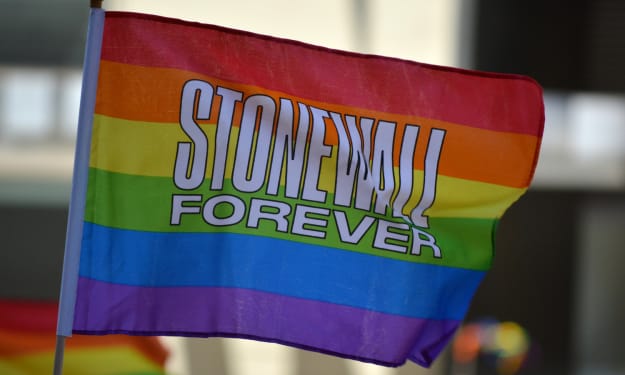
For nearly a decade, the LGBTQIA Pride Flag rippled in the wind at Christopher Park, a kaleidoscope of color staked into the soil of America’s first national monument to LGBTQIA+ liberation. That flag came down this week. Federal officials, citing new guidance from the Trump Administration, silently lowered the rainbow flag from its pole across the street from the Stonewall Inn. The birthplace of the modern gay rights movement now flies only the United States flag.
By Tim Carmichaela day ago in Pride



Comments
There are no comments for this story
Be the first to respond and start the conversation.