
What Are the Rules of Kids Jiu-Jitsu Competitions?
Breaking Down Kids’ Jiu-Jitsu Rules

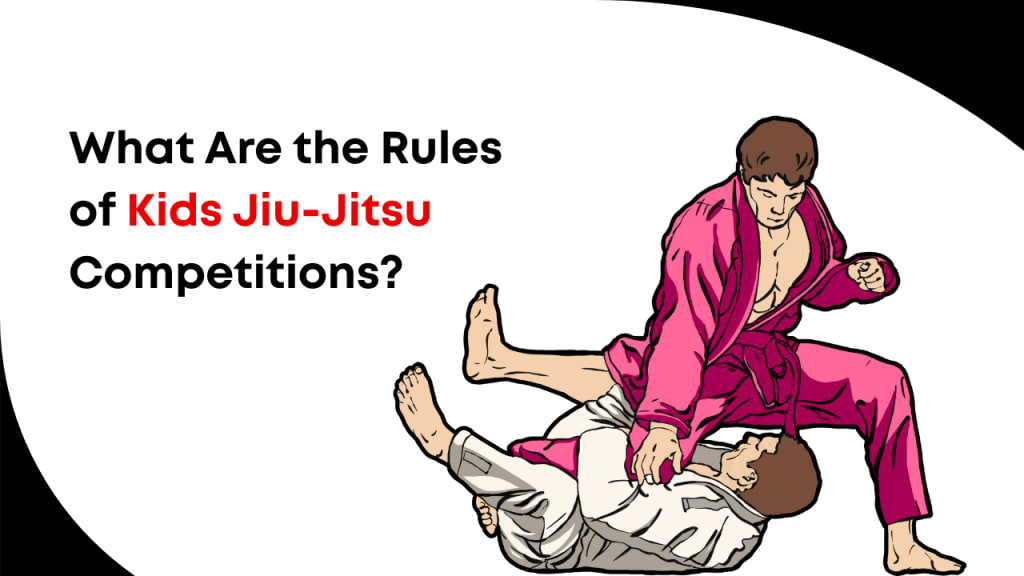
If you’ve ever watched your child step onto the mats for their first Brazilian Jiu-Jitsu (BJJ) competition, you know it’s an emotional rollercoaster. Their tiny gi sleeves rolled up, nerves buzzing in the air, parents cheering (sometimes louder than the kids), and the referee standing ready.
I remember sitting in the bleachers for my nephew’s first kids’ Jiu-Jitsu tournament. He was only eight, all confidence during warm-ups, but when the match began, he froze for a moment. The opponent grabbed his sleeve, the clock started ticking, and my heart raced faster than his. That day taught me something important: kids’ competitions are not just about winning-they’re about learning rules, building resilience, and growing through experience.
But here’s the thing: the rules for kids’ Jiu-Jitsu competitions are very different from adult matches. Safety is always the top priority, and understanding those rules as a parent-or even as a young competitor makes the whole journey less intimidating.
Why Rules Matter in Kids’ Jiu-Jitsu
Let’s face grappling can look a little chaotic to the untrained eye. Arms, legs, grips everywhere. But kids’ Jiu-Jitsu is carefully structured to reduce risks while still teaching discipline, strategy, and control.
The rules serve a dual purpose:
- Protecting kids from injury – Certain submissions and techniques are banned for younger age groups.
- Leveling the playing field – Matches are divided by age, belt rank, and weight.
- Encouraging learning – The rules prioritize position, control, and effort, not just brute strength.
According to the International Brazilian Jiu-Jitsu Federation (IBJJF), over 40% of Jiu-Jitsu competitors under age 16 compete annually worldwide, and safety guidelines have evolved as the sport has grown.
The Basics: Divisions by Age, Weight, and Belt
Before kids even step on the mat, they’re matched in divisions that ensure fair play.
- Age brackets: Typically divided into 4–5-year-olds, 6–7, 8–9, 10–11, 12–13, and 14–15.
- Weight classes: Kids weigh in, sometimes with their gi on, to compete against others of similar size.
- Belt levels: White, gray, yellow, orange, and green belts each come with specific rules around techniques allowed.
I’ve seen a 7-year-old white belt go up against another 7-year-old gray belt before-just one belt apart, but the difference in experience was obvious. That’s why organizers are so particular about placement.
Permitted vs. Prohibited Techniques
This is where parents and kids really need clarity. Some techniques that seem harmless can actually be dangerous for growing bodies.
Generally Allowed Moves:
- Basic positional control (mount, side control, back control)
- Escapes, sweeps, and guard passes
- Straight armlocks (in older age brackets, with restrictions)
- Chokes using the gi (again, typically only for kids above a certain age group)
Prohibited Techniques (for safety):
- Heel hooks and knee bars (too risky for developing joints)
- Neck cranks or spinal locks
- Slamming an opponent
- Wrist locks (banned until higher belt levels)
- Any move that puts unnecessary pressure on the head, neck, or spine
When my nephew competed, I remember him asking his coach, “Can I do the move we practiced yesterday?” The coach shook his head. “Not yet, buddy. You’ll get there.” That gentle boundary was exactly what he needed.
The Point System: Effort Gets Rewarded
Unlike some sports where kids can walk away feeling defeated if they don’t score, Jiu-Jitsu competitions have a detailed point system that rewards effort and progress.
- Takedown: 2 points
- Guard pass: 3 points
- Mount or back control: 4 points
- Sweep (reversing position): 2 points
Even if a child doesn’t submit to their opponent, they can still win on points. That system helps reinforce the lesson that persistence and strategy matter just as much as flashy finishes.
Match Duration: Short, Sweet, and Intense
Kids’ matches don’t last as long as adult matches. Depending on the child’s age and belt level, rounds can range from 2 minutes (for very young competitors) to 5 minutes (for teens at higher belts).
Two minutes may sound short, but trust me-on the mat, it feels like forever. For both the kids and the parents watching!
The Role of Referees and Coaches
Referees in kids’ Jiu-Jitsu competitions are specially trained to spot danger before it escalates. If a submission looks tight or unsafe, they’ll stop the match immediately. Coaches are allowed to encourage, but they’re expected to remain respectful and avoid creating unnecessary pressure.
I once saw a coach crouched at the edge of the mat, whispering calm instructions: “Breathe, keep your hips low, you’re okay.” That gentle guidance made all the difference for the nervous little competitor.
What Parents Should Know Before Competition Day
It’s not just the kids who need preparation—parents do too. Here are some practical things I’ve learned along the way:
- Pack snacks and water – matches can run late, and hungry kids don’t grapple well.
- Bring extra gis or rashguards – sweat, nerves, and sometimes spills happen.
- Stay calm – kids feed off your energy. If you’re anxious, they’ll feel it.
- Celebrate effort, not just wins – a smile after a tough match is worth more than a medal.
Why These Rules Build More Than Fighters
Kids’ Jiu-Jitsu competitions are about so much more than rules and points. They’re about learning patience, respect, and resilience. They’re about walking onto a mat with shaking hands, facing fear, and walking off a little stronger, even if you lost.
And as parents, guardians, or coaches, it’s our role to remind them that each match is part of a bigger journey.
Final Thoughts
The rules of kids’ Jiu-Jitsu competitions might seem overwhelming at first, but they’re designed to make the sport safe, fair, and empowering. From match length to banned techniques, every guideline exists to protect children while giving them room to grow.
So, the next time your child ties their belt and steps onto the mat, remember: it’s not just about medals. It’s about building courage and character. And if you’re looking for opportunities to get your child involved locally, you’ll find excellent programs for kids Jiu-Jitsu Orlando, where the focus is on both safety and skill development.
About the Creator
Angela R. Taylor
Hey community I’m Angela R. Taylor With a deep passion for Brazilian Jiu-Jitsu, I coach students of all levels, focusing on technique, discipline, and personal growth.
Keep reading
More stories from Angela R. Taylor and writers in FYI and other communities.
Kids Jiu Jitsu vs. Other Martial Arts: Which Is Best for Your Child?
Every parent wants the best for their child. We want them to grow up confident, respectful, and strong-not just physically but emotionally too. And when it comes to extracurricular activities, martial arts often stands out as a top choice. But here’s the dilemma: with so many martial arts options out there-karate, taekwondo, judo, kung fu, and Brazilian Jiu Jitsu-how do you know which is best for your child?
By Angela R. Taylor5 months ago in FYI
A Failed Artist, A Disillusioned Poet, An Underpaid Game Show Host
I took my son and niece to Gori, a small town in Georgia where Joseph Stalin was born. They talked me into visiting the Stalin's Museum, the largest in the post-Soviet space. I had resisted going there because I just can't stand the monster and know enough about him, or so I thought.
By Lana V Lynx20 days ago in FYI
Venezuela Fiasco Could Mean the End of Russia
The U.S. capture of Nicolás Maduro didn’t just redraw Venezuela’s political future. It may have quietly detonated a much larger charge—one aimed straight at the foundations of Vladimir Putin’s Russia. What looked like a regional power play in Caracas has exposed a web of weaknesses that stretch from Russian arms exports to oil markets and global credibility. And once those threads started snapping, the world noticed.
By Lawrence Lease2 days ago in FYI



Comments
There are no comments for this story
Be the first to respond and start the conversation.