
WATERMELON
The history, nutritional benefits, and uses of a refreshing summer fruit.

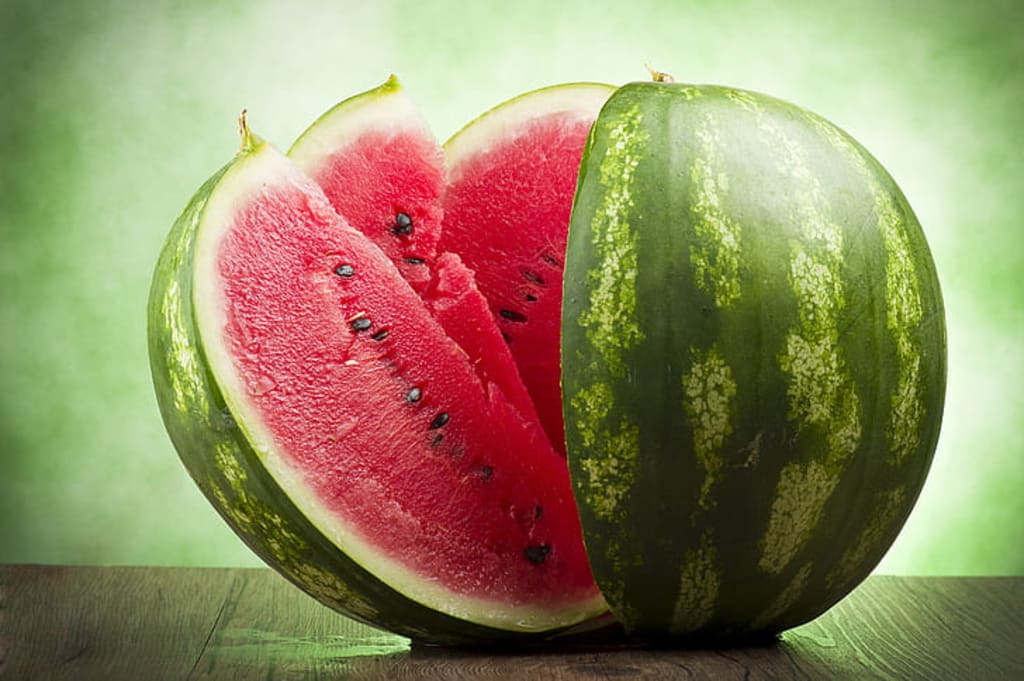
The watermelon is a delicious and refreshing fruit that has been enjoyed for centuries around the world. It is one of the most popular fruits during the summer season due to its high-water content, which helps to keep people hydrated in the hot weather. In this article, we will explore the history, nutritional benefits, and uses of watermelons.
History
The watermelon originated in Africa, and it has been cultivated for thousands of years. Ancient Egyptians used to place watermelons in the tombs of their pharaohs as a source of nourishment for the afterlife. The fruit was then brought to Europe by the Moors and eventually spread to other parts of the world through trade routes.
Watermelons were first introduced to the Americas by European colonizers. The fruit quickly became popular in the southern states of the USA, where it thrived due to the warm climate. Today, watermelons are grown in almost every part of the world, with China being the largest producer.
Nutritional Benefits
Watermelons are packed with nutrients and offer several health benefits. They are an excellent source of vitamins A and C, both of which are essential for maintaining healthy skin, bones, and teeth. They also contain potassium, which helps regulate blood pressure and prevent heart disease.
Watermelons are low in calories and fat, making them an excellent choice for weight loss. They also contain a lot of water, which helps to keep the body hydrated and flush out toxins. Additionally, watermelons are rich in antioxidants, which can help protect the body from damage caused by free radicals.
Uses
Watermelons are incredibly versatile and can be used in a variety of ways. The most common way to eat watermelon is to simply slice it and eat it raw. However, there are many other ways to enjoy this delicious fruit.
Watermelon can be juiced, and the juice can be used as a base for smoothies or cocktails. Watermelon sorbet or ice cream is another popular dessert made with watermelon. The rind of the watermelon can also be pickled and used as a condiment.
In addition to being used in food and drink, watermelons are also used in skincare products. The high-water content of watermelon makes it an excellent ingredient for hydrating and soothing the skin. Watermelon extract is often used in face masks, serums, and moisturizers.
Ramzan, also known as Ramadan, is the ninth month of the Islamic calendar, and it is observed by Muslims around the world as a month of fasting and spiritual reflection. During this time, Muslims abstain from food and drink from dawn until dusk, and the breaking of the fast, known as iftar, is an important meal that is often celebrated with family and friends. In many cultures, watermelon is a popular food item during iftar, and in this article, we will explore the significance of watermelon in Ramzan.
Hydration
During Ramzan, it is important to stay hydrated, especially since the fast can last up to 16 hours a day. Watermelon is an excellent source of water and can help replenish the body's fluids during iftar. In fact, watermelon is made up of over 90% water, which makes it one of the most hydrating fruits available. Eating watermelon during iftar can help prevent dehydration and keep the body cool in hot weather.
Nutritional Benefits
In addition to its high-water content, watermelon also offers several important nutrients that can help keep the body healthy during Ramzan. Watermelon is an excellent source of vitamins A and C, both of which are important for maintaining a strong immune system. It is also rich in antioxidants, which can help protect the body from damage caused by free radicals.
Digestion
During iftar, it is common to eat heavy and spicy foods, which can cause digestive issues. Watermelon contains a high amount of fiber, which can help regulate digestion and prevent constipation. It is also low in calories and fat, which makes it a good choice for those looking to maintain a healthy diet during Ramzan.
Community
Sharing food with others is an important part of Ramzan, and watermelon is often a fruit that is shared with friends and family during iftar. Watermelon is easy to cut and serve, making it a convenient and refreshing addition to any iftar meal. In some cultures, watermelon is also used as a symbol of generosity and hospitality during Ramzan.
Conclusion
In conclusion, watermelons are a delicious and nutritious fruit that has been enjoyed for thousands of years. They are an excellent source of vitamins and minerals, and they offer several health benefits. Watermelons are also incredibly versatile and can be used in a variety of ways. Whether you eat them raw, drink them as juice, or use them in skincare products, watermelons are a refreshing and healthy choice. So, the next time you are looking for a tasty and healthy snack, reach for a watermelon.
About the Creator
Syed Awais Shah
A skilled article writer with a passion for exploring diverse topics. My writing includes technology, science, health, education, and lifestyle. I aim to provide informative and engaging content that adds value to the lives of my readers.
Keep reading
More stories from Syed Awais Shah and writers in FYI and other communities.
The SUN
The Sun is the closest star to Earth and is an essential component of our solar system. It is a gigantic ball of gas, predominantly composed of hydrogen and helium, that generates light and heat through a process called nuclear fusion. The Sun plays a critical role in sustaining life on Earth, and its study has contributed significantly to our understanding of the universe.
By Syed Awais Shah3 years ago in FYI




Comments
There are no comments for this story
Be the first to respond and start the conversation.