
Unveiling the Enigmatic World of the Lost Civilization of Angkor
Discovering the Wonders and Mysteries of the Khmer Empire

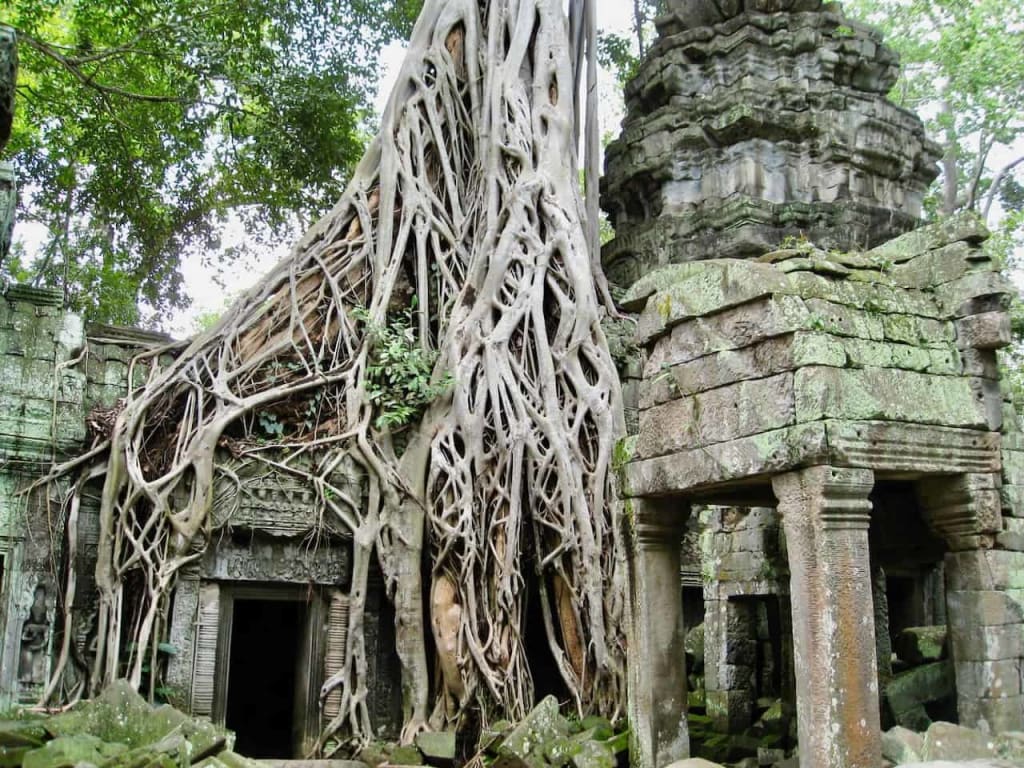
Introduction:
The Angkor complex is one of the most captivating and mysterious destinations in the world, home to an ancient civilization that flourished for over 500 years. The ruins of Angkor, located in present-day Cambodia, represent the pinnacle of the Khmer Empire, a society that thrived from the 9th to the 15th century AD. This lost civilization's enigmatic architecture, religious beliefs, and cultural practices have puzzled historians and visitors alike. In this article, we will explore the fascinating history and unique features of Angkor, which continue to attract millions of tourists from around the globe.
The Rise of the Khmer Empire
The Khmer Empire was founded by Jayavarman II, who established his capital in the city of Hariharalaya in the early 9th century. He was a powerful leader who unified the region and laid the foundation for a prosperous and sophisticated society. Subsequent Khmer kings expanded their territories, erected magnificent temples, and developed complex irrigation systems, which allowed them to feed a growing population.
The Angkor Complex
The Angkor complex was the heart of the Khmer Empire and one of the largest cities in the world during its peak. It covered an area of over 400 square kilometers and housed more than a million people. The complex comprises over 1,000 temples, shrines, and other structures, most of which were built during the reigns of the Khmer kings Suryavarman II and Jayavarman VII.
The Temple of Angkor Wat
The Temple of Angkor Wat is the most iconic and best-preserved structure in the Angkor complex. It was built in the early 12th century by King Suryavarman II as a tribute to the Hindu god Vishnu. The temple's intricate carvings, towering spires, and massive moat are a testament to the Khmer's architectural genius and devotion to their religion.
The Bayon Temple
The Bayon Temple is another remarkable structure in the Angkor complex. It was built by King Jayavarman VII in the late 12th century as a tribute to Buddhism. The temple's most distinctive feature is its 54 towers, each adorned with giant faces that are believed to represent the bodhisattva Avalokiteshvara.
The Roluos Group
The Roluos Group is a cluster of temples located on the outskirts of the Angkor complex. They were built in the late 9th and early 10th centuries and are considered the earliest examples of Khmer architecture. The group includes the temples of Preah Ko, Bakong, and Lolei, all of which are adorned with intricate carvings and bas-reliefs.
The Khmer Religion
The Khmer people were deeply religious and followed a blend of Hinduism and Buddhism. They believed in a pantheon of gods and goddesses, each associated with a particular aspect of life. The temples of Angkor were designed to honor these deities and serve as a bridge between the physical and spiritual worlds.
The Decline of the Khmer Empire
The decline of the Khmer Empire is a subject of much debate among historians. Some attribute it to environmental factors, such as drought and deforestation, while others point to political instability and invasion by neighboring powers. Whatever the cause, the Khmer Empire collapsed in the 15th century, and the Angkor complex was abandoned for centuries.
The Rediscovery of Angkor
The Angkor complex was rediscovered in the 19th century by French explorer Henri Mouhot, who was struck by the grandeur and beauty of the ruins. His reports and drawings of Angkor sparked a worldwide interest in the lost civilization, and soon, a steady stream of scholars, archaeologists, and tourists began to flock to the site. Today, Angkor is a UNESCO World Heritage site and a symbol of Cambodia's cultural heritage.
As visitors wander through the corridors and courtyards of Angkor's temples, they are transported back in time, to a world where kings ruled with absolute power, where gods and goddesses were worshipped with reverence, and where life was seen as an eternal cycle of birth, death, and rebirth. The temples of Angkor are not merely ruins or artifacts; they are living testimonies to a bygone era, a window into a vanished world.
Despite the ravages of time and human intervention, Angkor's temples retain their magic and majesty. The carvings on the walls and lintels are still vibrant and intricate, depicting scenes from the Mahabharata and the Ramayana, the epics that form the basis of Hindu mythology. The towers and domes still soar to dizzying heights, reminding us of the Khmer's engineering ingenuity and artistic finesse.
The rediscovery of Angkor has not only brought this lost civilization back to life but also created a thriving industry that benefits Cambodia's economy and people. Thousands of Cambodians work as tour guides, hotel staff, and souvenir vendors, earning a livelihood from the tourists who come to see Angkor. The Cambodian government, in partnership with international organizations, has also invested in preserving and restoring the temples, ensuring that they remain a treasure for future generations.
In conclusion, the lost civilization of Angkor is a fascinating and inspiring chapter in human history. It reminds us that even in the midst of chaos, war, and environmental challenges, humanity can create enduring monuments of beauty and meaning. As we contemplate the wonders and mysteries of Angkor, we are challenged to ask ourselves what legacies we want to leave for the future, and how we can build a world that reflects the best of human aspirations and achievements.
Conclusion:
The lost civilization of Angkor is a testament to the creativity, resilience, and spiritual aspirations of the Khmer people. The ruins of Angkor continue to captivate and inspire visitors from around the world, who marvel at the temples' grandeur, beauty, and enigmatic qualities. Although much about the Khmer Empire remains a mystery, we can be sure that their legacy lives on in the exquisite art and architecture of the Angkor complex.
About the Creator
Ivy Lane
This is Ivy Lane, a skilled and dedicated writer with a passion for storytelling. Recognized for my talent through awards and writing competitions. My writing encompasses various forms and is characterized by its clarity and creativity.



Comments
There are no comments for this story
Be the first to respond and start the conversation.