
Untold Truth Of Titanic
"Revealing the Reality: Myths and Misconceptions About the Titanic Debunked"
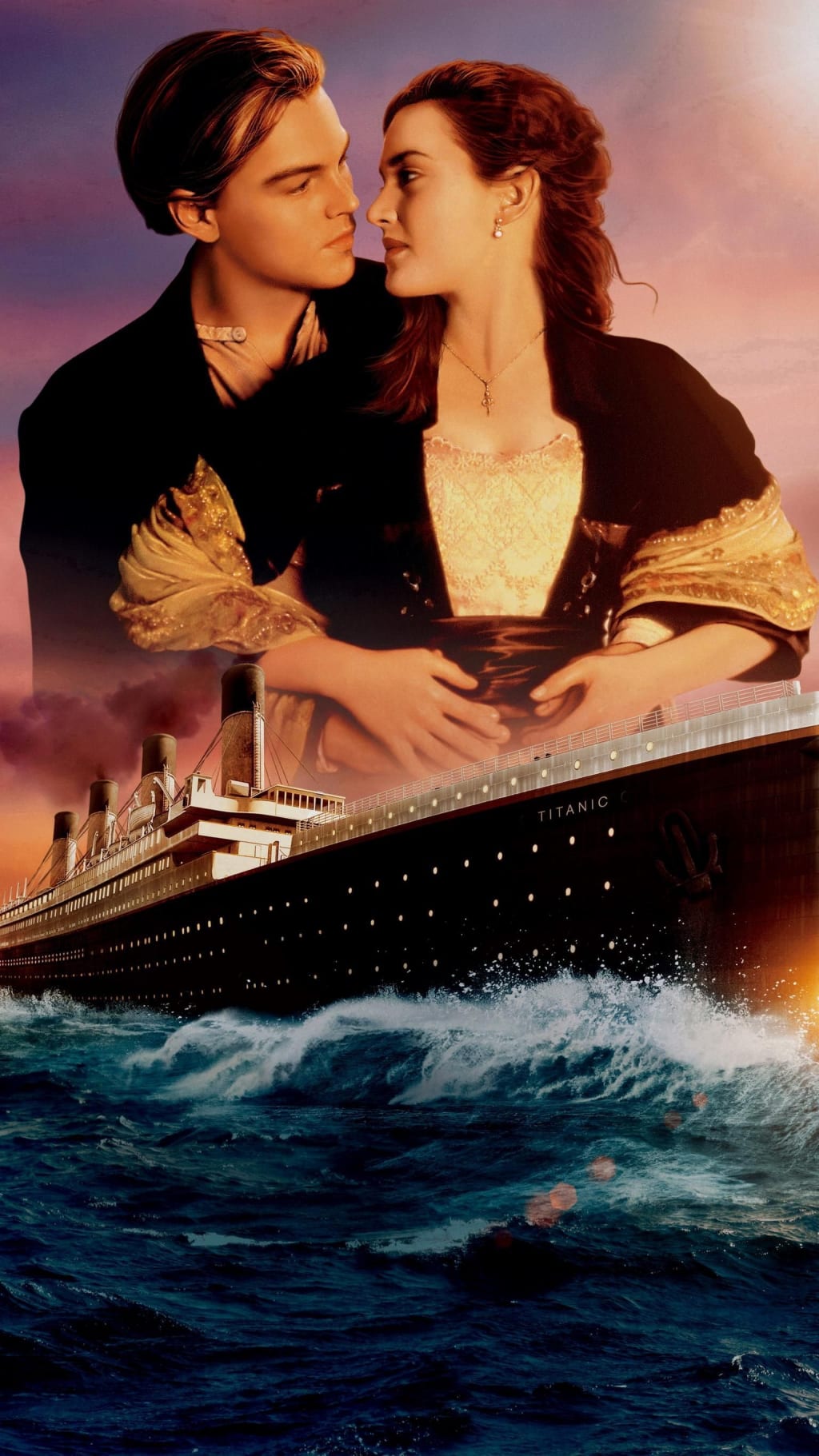
The sinking of the Titanic is one of the most famous and tragic events in modern history. The ship, which was touted as "unsinkable," struck an iceberg on its maiden voyage in 1912, resulting in the deaths of over 1,500 people. While much has been written about the Titanic over the years, there are still many untold truths about the ship and the disaster that befell it. In this article, we will explore some of these untold truths and shed light on the lesser-known aspects of this tragic event.
The Titanic Was Not Actually Unsinkable:
One of the most enduring myths about the Titanic is that it was an unsinkable ship. This myth has persisted for over a century, but it is simply not true. While the Titanic was designed to be as safe as possible, there were no guarantees that it would not sink. The ship's builders, the White Star Line, never claimed that the Titanic was unsinkable, and the idea only emerged after the ship sank.
The Titanic was fitted with 16 watertight compartments, which were designed to prevent flooding if the ship were to hit an iceberg or another object. However, these compartments were not completely watertight, and the ship could only withstand flooding in four of them before sinking. When the Titanic hit the iceberg, it flooded six of the compartments, which ultimately led to its sinking.
The Titanic's Captain Ignored Warnings About Icebergs:
Another lesser-known fact about the Titanic is that its captain, Edward Smith, ignored several warnings about icebergs in the area where the ship was sailing. The Titanic's wireless operators received multiple warnings from other ships in the area about icebergs, but these messages were not passed on to the bridge. Captain Smith also failed to take other precautions, such as reducing the ship's speed, which would have made it easier to avoid icebergs.
There have been many theories about why Captain Smith ignored the warnings, ranging from his desire to set a record for the fastest transatlantic crossing to his belief that the Titanic was unsinkable. Whatever the reason, the fact remains that the captain's decisions played a significant role in the disaster.
The Titanic's Lifeboats Were Not Fully Occupied:
One of the most tragic aspects of the Titanic disaster was the fact that many of the ship's lifeboats were not fully occupied. The Titanic was equipped with enough lifeboats to accommodate all of its passengers and crew, but not all of them were launched before the ship sank. In total, only 20 lifeboats were launched, and many of them were not filled to capacity.
There were several reasons why the lifeboats were not fully occupied. For one thing, many of the passengers and crew did not believe that the ship was in danger of sinking. Others were hesitant to get into the lifeboats because they were afraid of being lowered into the freezing water. Additionally, there was a lack of leadership and organization during the evacuation, which contributed to the confusion and chaos that ensued.
The Titanic Had a Sister Ship:
The Titanic was part of a class of three ships known as the Olympic class. The other two ships in the class were the Olympic and the Britannic. The Olympic was launched in 1910, two years before the Titanic, and was used for several years as a passenger liner. The Britannic was launched in 1914, but it was requisitioned by the British government during World War I and converted into a hospital ship. The Britannic sank in 1916 after hitting a mine in the Aegean Sea, but most of the people on board were able to escape.
There Were Many Survivors of the Titanic:
While over 1,500 people died in the Titanic disaster there were also many survivors. In fact, over 700 people were rescued from the water by the Carpathia, a ship that was able to reach the Titanic before it sank. Many of the survivors were women and children, who were given priority in the lifeboats. However, there were also many men who were able to survive by jumping into the freezing water and clinging to floating debris until they were rescued.
The survivors of the Titanic were able to provide valuable information about the disaster, which was used to investigate the cause of the sinking and to make improvements in ship safety. Many of the survivors also went on to live long and productive lives, despite the trauma of their experience.
The Titanic Was Not the Largest Ship of Its Time:
While the Titanic is often referred to as the largest ship of its time, this is not entirely accurate. The Titanic was certainly a very large ship, but it was actually smaller than some of its contemporaries. For example, the RMS Mauretania, which was launched in 1906, was longer than the Titanic and could travel at higher speeds.
The Titanic's size and grandeur were certainly impressive, and they played a role in making the ship one of the most famous in history. However, the idea that the Titanic was the largest ship of its time is a myth that has been perpetuated for many years.
The Titanic Was Not the First Ship to Sink on Its Maiden Voyage:
Another little-known fact about the Titanic is that it was not the first ship to sink on its maiden voyage. In fact, there have been several other ships throughout history that have met a similar fate. One example is the HMS Birkenhead, a British troopship that sank off the coast of South Africa in 1852. The Birkenhead was carrying over 600 soldiers and crew members, and only around 200 of them were able to survive.
There have been other examples of ships sinking on their maiden voyages, but the Titanic remains the most famous and tragic of them all. Its sinking has captured the public imagination for over a century and has inspired countless books, films, and other works of art.
The Titanic's Crew Was Comprised of Many Nationalities:
The crew of the Titanic was a diverse group of people, with many different nationalities represented. The majority of the crew members were British, but there were also many others from countries such as Ireland, Scotland, Sweden, Norway, and Finland. The crew included everyone from engineers and stokers to stewards and musicians.
The fact that the crew was so diverse is a testament to the global nature of the shipping industry at the time. It also underscores the fact that the Titanic was a truly international ship, with passengers and crew members from all over the world.
The Titanic's Wreck Was Discovered by Accident:
The wreck of the Titanic was not discovered until 1985, over 70 years after the ship sank. The discovery was made by a team led by Dr. Robert Ballard, who was searching for two sunken American submarines in the North Atlantic. Ballard and his team were able to locate the wreck of the Titanic using a deep-sea submersible, and they were able to capture footage of the ship's remains for the first time.
The discovery of the Titanic's wreck was a major milestone in the history of underwater exploration. It also helped to shed new light on the disaster and to rekindle public interest in the Titanic's story.
The Titanic Has Inspired Many Myths and Legends:
Finally, it's worth noting that the Titanic has inspired many myths and legends over the years. Some of these are based on real events, while others are purely fictional. For example, there is a persistent myth that the Titanic's
About the Creator
Ishu Pathira
"I am Ishu, a creative and innovative individual with a passion for bringing stories to life through my unique writing style."
Keep reading
More stories from Ishu Pathira and writers in FYI and other communities.
How to seduce your loved one?
Healthy relationships are built on open and honest communication, compromise, and mutual support. It is important to listen to your partner and understand their needs, wants, and boundaries. Similarly, it is important to be clear about your own needs, wants, and boundaries. This can be achieved through regular, non-judgmental, and honest conversations about your relationship.
By Ishu Pathira3 years ago in FYI


Comments
There are no comments for this story
Be the first to respond and start the conversation.