
Unlocking the Science Behind Ergonomic Office Chairs
Understand the science of ergonomic office chairs. Discover how these workplace seating solutions can enhance comfort, productivity, and well-being here.
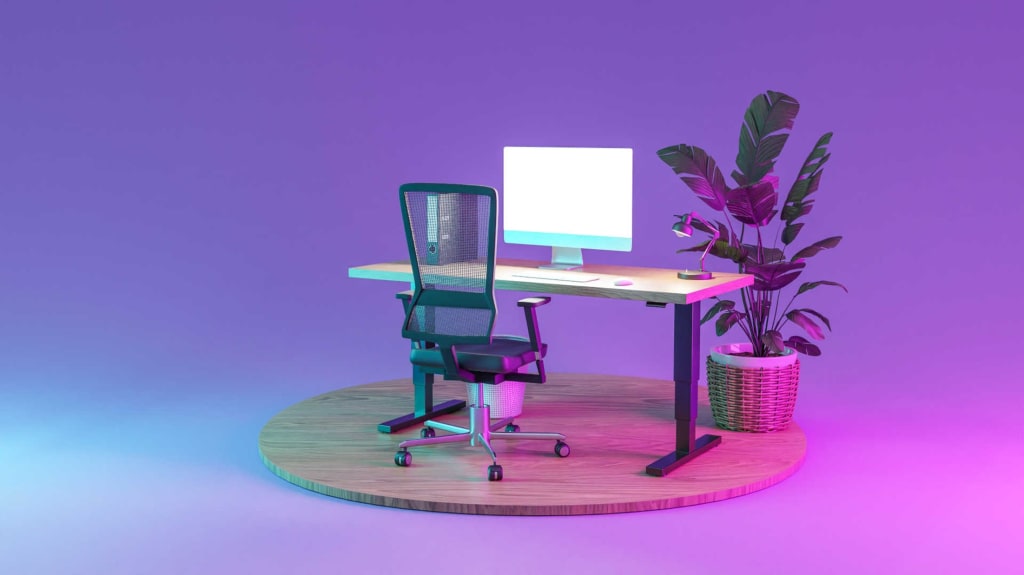
Most Kiwi workers spend long hours sitting at their desks, an unhealthy habit that could lead to bad posture, poor blood circulation, and the worst: chronic pain. The most effective way to prevent these common issues is to ditch traditional chairs for ergonomic office chairs.
Ergonomic chairs for the workplace provide optimal comfort, promote good posture, and reduce the risk of pain and injuries associated with prolonged sitting.
This article explores the science behind ergonomic office chairs, explaining how their various parts function to deliver comfort, health, and relief from pain.
What Sets Ergonomic Office Chairs Apart
Ergonomic office chairs incorporate thoughtful design principles to help with user well-being. These seating solutions prioritise adjustability, lumbar support, and overall body alignment.
These factors ensure that users maintain a natural and healthy posture, reducing strain on the back, neck, and other areas prone to discomfort.
Biomechanics and Human Factors Engineering
The design and development of ergonomic office chairs rely on principles from biomechanics and human factors engineering. Biomechanics delves into the interaction between the human body and mechanical systems; human factors engineering focuses on designing products that optimise human performance and well-being.
By considering anthropometric measurements, range of motion, and the distribution of forces on the body, ergonomic office chairs are engineered to provide optimal support and comfort.
The science behind these chairs focuses on factors around the angle of the seat, lumbar curvature, and the balance between stability and freedom of movement.
Ergonomics Research and User Studies
Ergonomics researchers conduct studies and experiments to refine the design and functionality of ergonomic office chairs. These studies involve assessing user feedback, analysing posture and muscle activity, and monitoring comfort levels.
The data collected helps office furniture manufacturers in New Zealand improve their chair designs and make informed adjustments that align with user needs and preferences.
The Anatomy of Ergonomic Office Chairs
Ergonomic office furniture, especially seating solutions for work desks, should feature these unique components:
Seat Design and Adjustability
The seat of an ergonomic office chair features generous padding and a waterfall edge to alleviate pressure on the thighs.
Ergonomic chairs often include adjustable seat height controls, allowing users to find their optimal seating position based on their desk height and leg length.
Curved Lumbar Support
Ergonomic office seatings integrate adjustable lumbar support mechanisms. This support helps prevent the natural inward curve of the lower back from flattening, reducing the risk of lower back pain.
Backrest Design and Adjustments
The backrest of an ergonomic office chair is contoured to match the natural shape of the spine, providing adequate support to the upper and lower back.
Some additional features include recline tension and tilt lock. These simple yet significant components allow users to recline and relax during brief breaks while maintaining optimal back support.
Most importantly, the chair's dynamic sitting during productivity hours helps engage core muscles and prevents stiffness.
Armrests
Adjustable armrests to reduce the tension in the arms and shoulders can alleviate strain on these areas.
The armrests' level allows the user's arms to rest comfortably, with elbows bent at a 90-degree angle, preventing shoulder tension, and supporting proper posture.
Headrest
Some advanced ergonomic office chairs come with integrated headrests, providing additional support for the head and neck.
This component reduces strain on the neck muscles, particularly during moments of relaxation or when engaging in focused work that requires looking up from the desk.
Enjoying the Benefits of Ergonomic Seating
All these designs and features aim to eliminate discomfort, fatigue, and pain caused by non-supportive chairs. More importantly, ergonomic chairs also enhance productivity and concentration.
We hope that this quick but informative introduction to ergonomic chairs, how they work, and what makes them different from traditional seating solutions have helped you realise one thing: buying ergonomic office chairs is a worthy investment.
Talk to your local office furniture store in NZ today and see what offers they have for you!
About the Creator
Keep reading
More stories from Darah Albesa and writers in FYI and other communities.
A Guide to Business Interruption Insurance
A Guide to Business Interruption Insurance All business owners understand how unforeseen circumstances can disrupt operations and lead to irreversible and costly losses. However, most don't know there's a way to protect themselves from these financial woes: investing in business interruption insurance.
By Darah Albesa3 years ago in FYI
Neutraceutical Packaging Market Size and Forecast 2025–2033
Neutraceutical Packaging Market at a Glance The Neutraceutical Packaging Market is projected to expand from US$ 4.92 billion in 2024 to US$ 7.63 billion by 2033, growing at a CAGR of 4.99% from 2025 to 2033. This steady growth reflects the accelerating global demand for dietary supplements, functional foods, herbal products, and wellness beverages. Rising health awareness, aging populations, sustainability expectations, the rapid growth of e-commerce, and evolving regulatory frameworks are reshaping how nutraceutical products are packaged, protected, and presented.
By Aaina Oberoi3 days ago in FYI



Comments
There are no comments for this story
Be the first to respond and start the conversation.