
Understanding Your Rights: Legal Options After a Dog Bite Incident
Legal Options After a Dog Bite Incident

Filing a dog bite injury claim ensures plaintiffs receive compensation for medical expenses and emotional distress. These lawsuits hold the dog owner accountable for their pet's actions, promoting responsible pet ownership.
Additionally, successful injury claims cover any lost wages if the injury affects the plaintiff's ability to work. The statute of limitations for dog bite injury claims varies by state so, it's important to act swiftly.
Actions to Take Following a Dog Bite Incident
Below are some actions to take following a dog bite incident:
- Medical Treatment
Prioritize your health by seeking immediate medical attention. This also provides a documented record of your injuries.
- Report the Incident
Notify local animal control or law enforcement. This ensures the incident is officially recorded and helps prevent future attacks.
- Identify the Dog Owner
Determine who owns the dog. This information is crucial for filing claims and holding the responsible party accountable.
- Document the Attack
Gather evidence, including photographs of injuries, witness statements, and medical records. This supports your case if you pursue legal action.
- Consult an Attorney
Seek legal advice from a personal injury attorney experienced in dog bite cases. They can guide you through the legal process and help build a strong case.
- File an Insurance Claim
If the dog owner has homeowner’s or renter’s insurance, you may be able to file a claim for compensation. Insurance can cover medical expenses and other damages.
- Pursue a Personal Injury Lawsuit
If insurance does not cover your damages or if there is no insurance, you can file a personal injury lawsuit against the dog owner to help you recover:
- Medical costs
- Lost wages, and
- Pain and suffering
- Consider a Settlement
Negotiating a settlement with the dog owner or their insurance company can provide a quicker resolution. An attorney can assist in obtaining a fair settlement.
- Check Local Leash Laws
Violations of local leash laws can strengthen your case. Proving negligence can increase your chances of winning a lawsuit.
- Understand the Statute of Limitations
Each state has a statute of limitations for dog bite claims. Acting within this timeframe is essential to preserve your right to legal recourse.
Evidence Needed to Prove a Dog Bite Claim
Proving a dog bite claim requires gathering solid evidence to support your case. Here are ten essential types of evidence you need:
- Medical Records
Document your injuries and treatments. Medical records provide proof of the bite and the extent of the harm.
- Photographs
Take clear pictures of your injuries. Photos from different angles and stages of healing can illustrate the severity of the attack.
- Witness Statements
Collect statements from anyone who saw the incident. Witnesses can provide unbiased accounts of what happened.
- Police or Animal Control Reports
File a report with the police or local animal control. These official documents can establish the facts and identify the dog and its owner.
- Veterinary Records
If available, obtain the dog's veterinary records. These can show a history of aggression or lack of proper vaccinations.
- Owner Information
Get the dog owner's contact details. Knowing who owns the dog is crucial for legal action and filing claims.
- Surveillance Footage
Check for any security cameras in the area. Video evidence can capture the incident and support your account.
- Clothing and Personal Items
Keep the clothes you were wearing during the attack. Torn or blood-stained clothing can serve as physical evidence of the bite.
- Diaries or Journals
Write down your recollections of the incident and your recovery process. Detailed personal accounts can strengthen your claim.
- Expert Testimony
Consult medical or animal behavior experts. Their professional opinions can validate the seriousness of your injuries and the dog's behavior.
Common Challenges in Dog Bite Injury Claims and How to Overcome Them
Below are 5 common challenges in dog bite claims and how to overcome them:
- Identifying the Dog Owner
Finding the responsible dog owner can be difficult. Witnesses or surveillance footage can help. Always document the incident immediately to strengthen your claim.
- Proving Liability
Establishing that the dog owner is liable is crucial. Gather evidence like medical reports and witness statements.
- Dealing with Insurance
Companies Insurance companies often aim to minimize payouts. Stay firm and provide thorough documentation of injuries and expenses. Consider hiring a lawyer to negotiate on your behalf.
- Calculating Damages
Accurately assessing damages can be tricky. Include medical expenses, lost wages, and emotional distress. An experienced attorney can ensure all relevant costs are considered.
- Overcoming Bias
Victims may face bias if the dog had no prior incidents. Present clear evidence of the attack and its impact. Professional testimonies from doctors or animal behaviorists can help substantiate your claim.
Consulting an attorney can help navigate local laws and strengthen your case. Hiring a skilled and experienced lawyer can significantly improve your chances of a successful dog bite injury claim.
About the Creator
Keep reading
More stories from Shane Debois and writers in FYI and other communities.
5 Signs You Need to Contact a Locksmith in DC Immediately
After a long and tiring day, you arrive home only to realize that your keys are nowhere to be found. Panic sets in as you frantically search through your belongings, hoping against hope that you simply misplaced them. Alas, the truth hits you like a wave – you're locked out.
By Shane Deboisabout a year ago in FYI
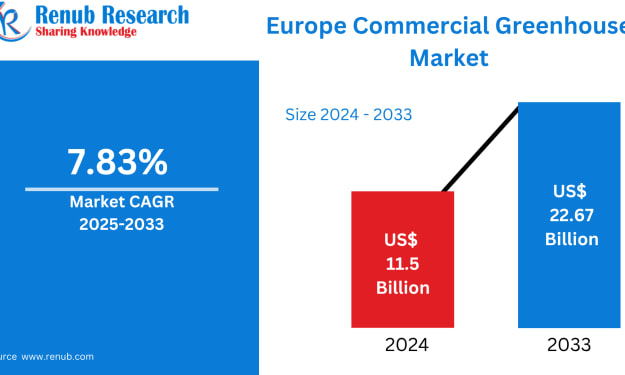
Europe Commercial Greenhouse Market Size and Forecast 2025–2033
The Europe Commercial Greenhouse Market is set for dynamic expansion over the coming decade, reflecting the region’s accelerating transition toward sustainable, technology-driven agriculture. According to Renub Research, the market is projected to reach US$ 22.67 billion by 2033, rising from US$ 11.5 billion in 2024, at a robust CAGR of 7.83% during 2025–2033. This growth is being driven by increasing demand for year-round crop production, the rapid adoption of Controlled Environment Agriculture (CEA), and a strong policy push toward climate-resilient and resource-efficient farming.
By Renub Research5 days ago in FYI



Comments
There are no comments for this story
Be the first to respond and start the conversation.