
Understanding Cancer Prognosis
A Comprehensive Overview
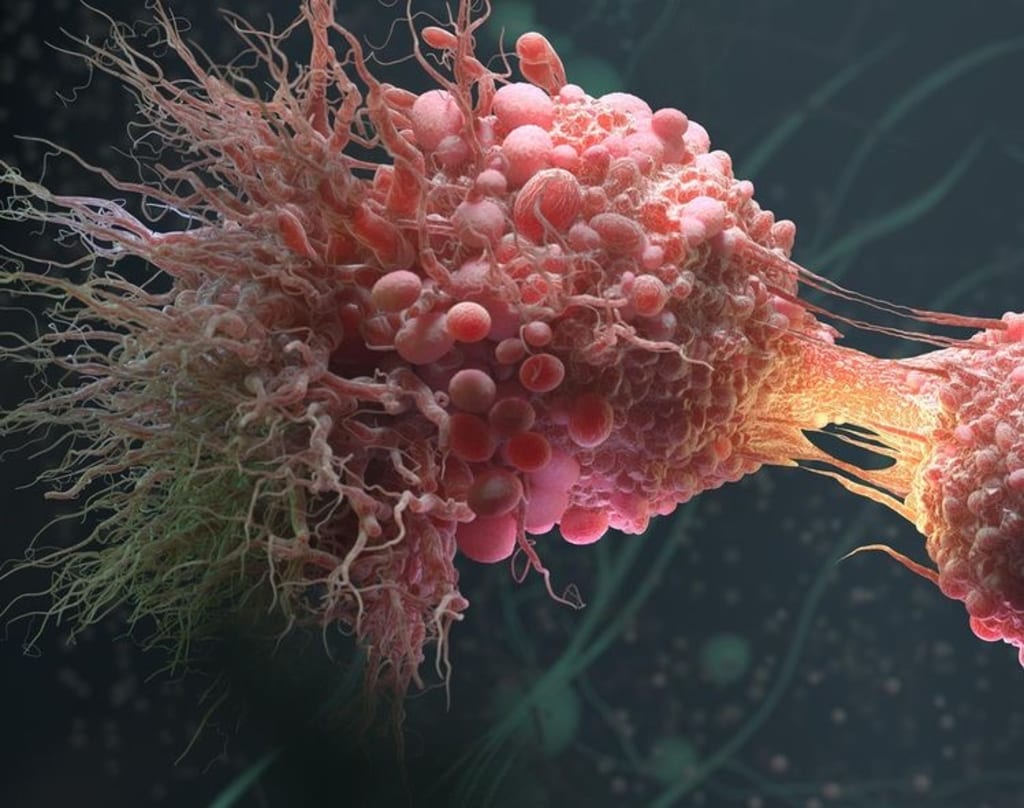
Introduction:
Cancer
Cancer, one of the leading causes of death worldwide, is a complex disease characterized by the uncontrolled growth and spread of abnormal cells. While a cancer diagnosis can be devastating, it is essential to understand that prognosis plays a crucial role in guiding treatment decisions and providing patients with a sense of hope. This article aims to provide a comprehensive overview of cancer prognosis, exploring the factors influencing prognosis, the role of staging systems, and the significance of personalized medicine in improving outcomes.
Factors Influencing Prognosis:
Cancer Type and Stage: Different types of cancer have varying growth rates, response to treatment, and likelihood of spreading. Additionally, the stage of cancer at diagnosis, determined by the size of the tumor and its spread to lymph nodes or distant organs, significantly affects prognosis. Higher stages indicate a more advanced disease, generally associated with a poorer prognosis.
Tumor Characteristics: Specific tumor characteristics, such as the tumor grade (degree of abnormality) and histology (cell type), provide valuable information about the aggressiveness of the cancer. Higher-grade tumors are often associated with a more unfavorable prognosis.
Biomarkers and Molecular Profiling: Biomarkers, including genetic mutations and specific proteins, can help predict the behavior of cancer and guide treatment decisions. Molecular profiling techniques, such as genomic sequencing, allow for a deeper understanding of the genetic alterations driving cancer growth, enabling targeted therapies and personalized treatment approaches.
Staging Systems:
Staging systems provide a standardized method to classify cancer based on the extent of the disease. The most widely used staging system is the TNM system, which considers the characteristics of the primary tumor (T), lymph node involvement (N), and distant metastasis (M). By combining these factors, clinicians can assign a stage (I to IV) that correlates with prognosis and helps determine the most appropriate treatment strategy.
Prognostic Indicators:
Survival Rates: Survival rates provide an estimate of the percentage of patients with a particular cancer who are alive after a specified period. These rates are often based on large population studies and can give patients and their families an understanding of the typical outcomes associated with their diagnosis. However, it is important to remember that individual cases may deviate from these statistics.
Five-Year Survival Rate: The five-year survival rate is a commonly used benchmark that indicates the percentage of patients who survive at least five years after diagnosis. It serves as a general indicator of prognosis, but specific factors, such as age, overall health, and response to treatment, can significantly influence individual outcomes.
Progression-Free Survival: Progression-free survival refers to the length of time during or after treatment when a patient lives without disease progression. It is particularly relevant for cancers that can be controlled but not necessarily cured. Improving progression-free survival is a critical goal in managing these types of cancer.
Personalized Medicine and Prognosis:
Advancements in genomic research and molecular profiling have paved the way for personalized medicine in cancer treatment. By identifying specific genetic alterations and biomarkers in an individual's cancer, oncologists can tailor treatment strategies to target these specific abnormalities. Personalized medicine offers the potential for improved prognosis by providing more precise and effective therapies while minimizing unnecessary treatments.
Conclusion:
Cancer prognosis plays a vital role in guiding treatment decisions, setting expectations, and providing hope to patients and their families. Understanding the factors influencing prognosis, utilizing staging systems, and incorporating personalized medicine approaches are crucial steps towards improving outcomes. As the field of oncology continues to evolve, ongoing research and advancements in technology offer promising avenues to enhance cancer prognosis and transform the lives of those affected by this challenging disease.
About the Creator
Keep reading
More stories from Samuel Uzochukwu and writers in FYI and other communities.
The Revolution of Gaming
From Pixels to Paradigms of gaming Introduction (Word Count: 50) Gaming has come a long way since the days of simple pixelated graphics and limited gameplay mechanics. Over the years, the gaming industry has witnessed a remarkable revolution, transforming from a niche hobby into a global phenomenon. This article explores the key milestones and innovations that have shaped the evolution of gaming, revolutionizing the way we play and interact with virtual worlds.
By Samuel Uzochukwu 3 years ago in Gamers


Comments (1)
Really good article!!