
Uncovering the Richness of Witchcraft Traditions
From Kitchen to Hedge

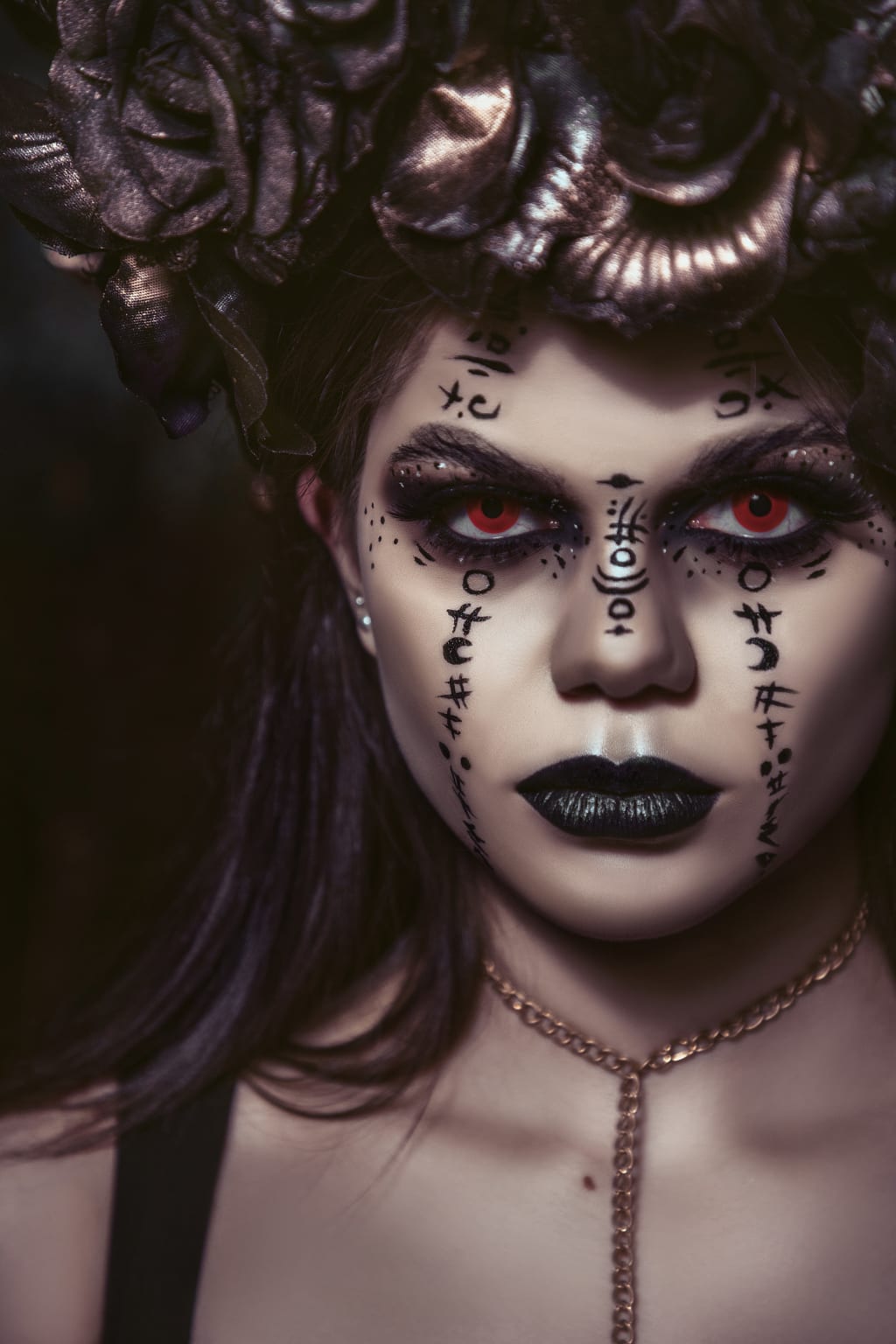
The world of witchcraft is vast and diverse, encompassing a wide range of practices and traditions. Each form of witchcraft has its own unique characteristics and approaches to magic, drawing on various cultural and spiritual traditions. Here are 10 types of witchcraft that are commonly practiced today:
Traditional Witchcraft:
Traditional Witchcraft is a type of witchcraft that is deeply rooted in European folklore and pre-Christian religious traditions. It is often referred to as "Old World Witchcraft" and has been practiced for centuries. Traditional witches value their connection to the natural world and seek to work in harmony with it.
Unlike some modern forms of witchcraft, traditional witchcraft is not tied to any specific religion or spiritual tradition. Instead, it is a very personal and individualized practice that draws on various folk beliefs and practices. Traditional witches focus on the practical use of magic for everyday needs, such as healing, protection, and divination.
Traditional witchcraft often involves the use of natural materials such as herbs, stones, and animal parts. It also emphasizes the importance of personal experience and intuition, rather than relying solely on texts or teachings from others. Traditional witches may work alone or in small groups, known as covens.
One of the core principles of traditional witchcraft is the idea of balance and reciprocity. Traditional witches believe that everything is interconnected, and that one's actions can have both positive and negative consequences. Therefore, they strive to use their magic responsibly and to maintain a harmonious relationship with the natural world.
Eclectic Witchcraft:
Eclectic Witchcraft is a modern approach to witchcraft that draws inspiration from a variety of different traditions and practices. As the name suggests, it is an eclectic mix of different beliefs, rituals, and magical techniques that allow the practitioner to create a personalized path that resonates with them.
Unlike traditional witchcraft, which follows a set of established rules and rituals, eclectic witchcraft allows practitioners to choose and adapt elements from various sources to create a unique practice. It is a highly individualized and flexible approach to witchcraft that allows for a great deal of creativity and experimentation.
Eclectic witches may incorporate practices from various cultures, including Wicca, Hoodoo, Shamanism, and others. They may choose to work with deities from different pantheons or incorporate elements of astrology or tarot into their practice.
The strength of eclectic witchcraft lies in its adaptability and the freedom it gives to the practitioner to create their own unique path. However, this flexibility can also make it challenging for beginners to know where to start and how to build a cohesive practice. Nevertheless, with time, research, and personal reflection, an eclectic witch can develop a meaningful and powerful practice that reflects their individual beliefs and values.
Kitchen Witchcraft:
Kitchen Witchcraft is a type of witchcraft that is centered around the use of herbs, spices, and other natural ingredients to create magic. Practitioners of Kitchen Witchcraft believe that these natural ingredients have powerful energies that can be harnessed to achieve specific goals, such as healing, protection, and divination. The practice of Kitchen Witchcraft is rooted in the belief that the kitchen is the heart of the home and the center of family life.
In Kitchen Witchcraft, the preparation of food is seen as a sacred act, and the ingredients used are chosen for their magical properties. Practitioners may use herbs and spices to create blends that can be used in cooking, or they may make potions and tinctures to be used in spells and rituals. The kitchen is also a place where divination can be practiced, with practitioners using tools such as tea leaves or a pendulum to gain insights into the future.
Kitchen Witchcraft is a very personalized form of witchcraft, as each practitioner will have their own unique approach to the craft. It can be practiced alone or in a group, and it is often used in combination with other forms of witchcraft. By bringing the magical energies of the natural world into the heart of the home, Kitchen Witchcraft can help practitioners to create a sense of balance and harmony in their lives.
Hedge Witchcraft:
Hedge Witchcraft is a form of witchcraft that emphasizes the connection with nature and the spirits of the natural world. Its name comes from the old English word "haegtesse," which means "hedge-rider" and refers to a person who had the ability to communicate with the spirits that live beyond the physical realm.
Hedge witches are known for their knowledge of herbalism, as they rely on plants and natural remedies to heal both physical and spiritual ailments. They often live in rural areas and have a deep connection to the land, animals, and the changing of the seasons.
One of the key practices of hedge witchcraft is journeying or astral travel, which involves entering a trance-like state to communicate with the spirit world. This can be done through meditation, drumming, or other means.
Hedge witches also use divination tools such as tarot cards, runes, or scrying to gain insight into the future and to better understand their spiritual path.
Overall, hedge witchcraft is a form of witchcraft that emphasizes the importance of being in tune with the natural world and the spiritual realm. It is a path that encourages self-discovery, personal growth, and the cultivation of a deep relationship with the natural world.
Ceremonial Witchcraft:
Ceremonial Witchcraft, also known as High Magick, is a type of witchcraft that is heavily influenced by ceremonial magic and draws on various esoteric traditions, such as Kabbalah and Hermeticism. This type of witchcraft is often associated with elaborate rituals and the use of symbols and sigils.
Practitioners of Ceremonial Witchcraft often use a variety of tools and symbols to create their spells and rituals, including wands, chalices, and pentagrams. These rituals can be very detailed and precise, with a focus on the use of correspondences and the invocation of various deities and spirits.
The practice of Ceremonial Witchcraft can be quite complex and may require significant study and training. Many practitioners of this type of witchcraft follow a specific system or tradition, such as the Golden Dawn or Thelema.
Ceremonial Witchcraft is often associated with a focus on personal transformation and spiritual growth, with rituals and spells designed to help practitioners achieve greater understanding and connection with the divine. This type of witchcraft can be very powerful and effective, but it requires a great deal of dedication and commitment to the practice.
Folk Magic:
Folk Magic, also known as "conjure" or "rootwork," is a form of witchcraft that is based on the traditional practices and beliefs of a particular culture or region. It often involves the use of charms, spells, and other magical practices that have been passed down through generations. Folk magic is practiced around the world and often incorporates elements of both Christianity and indigenous religions.
Folk magic practitioners believe that everything in the natural world has a spirit or energy that can be harnessed for magical purposes. They often use herbs, candles, crystals, and other natural materials in their spells and rituals. Folk magic spells can be used for a variety of purposes, including love, luck, protection, and healing.
Folk magic is closely tied to cultural traditions and can vary widely depending on the region and the practitioner. In the United States, for example, folk magic has roots in African American, Native American, and European American cultures. Folk magic in African American culture is often referred to as "hoodoo," while in the Appalachian region of the United States, it is known as "rootwork."
Despite its cultural ties, folk magic has gained popularity among practitioners of various backgrounds and has been adapted to suit individual needs and beliefs. It is a form of witchcraft that values personal connection to the natural world and the power of intention and belief.
Hoodoo:
Hoodoo is a form of folk magic that originated in the African American community of the southern United States. It is a blend of African spiritual practices and European folk magic, and it involves the use of various materials, such as herbs, roots, oils, candles, and charms, to create spells and potions for a variety of purposes.
Hoodoo is often associated with practices like divination, healing, and protection, and it is deeply rooted in the cultural traditions of the American South. Its practitioners often believe in the power of the spirits and ancestors, and they use their knowledge of herbs and other natural materials to harness that power and bring about desired outcomes.
One of the unique features of Hoodoo is its emphasis on the use of amulets and talismans, which are thought to hold magical powers and offer protection to the wearer. These items can be created using a variety of materials, including bones, feathers, and animal parts.
Despite its origins in African American culture, Hoodoo has influenced other forms of folk magic and has gained popularity among practitioners of witchcraft and other spiritual traditions.
Wicca:
Wicca is a modern form of witchcraft that was developed in the mid-20th century by British occultist Gerald Gardner. It draws on ancient pagan and witchcraft traditions, particularly those of pre-Christian Europe. Wicca is a nature-based religion that places a strong emphasis on the worship of a goddess and a god, often personified as the Triple Goddess (Maiden, Mother, Crone) and the Horned God. Wiccans celebrate the cycles of the moon and the changing seasons, and many of their rituals and practices are focused on harmonizing with the natural world.
One of the central beliefs of Wicca is the concept of the Wiccan Rede, which states "An it harm none, do what ye will." This means that Wiccans strive to live in harmony with all living beings and to avoid causing harm to others. Wiccans also believe in the concept of karma, that the energy they put out into the universe will come back to them in some form.
Wiccans practice magic, which they believe is a natural and neutral force that can be used for positive or negative purposes. They use various tools and symbols, such as wands, athames, and pentagrams, to focus their intent and channel their energy into spells and rituals.
Wicca has become one of the most widely recognized forms of witchcraft in the world, with millions of followers worldwide. While there is no central governing body or hierarchy in Wicca, there are many different traditions and branches of the religion, each with their own unique practices and beliefs.
Shamanism:
Shamanism is a type of witchcraft that is based on the traditional practices of indigenous cultures around the world. Shamans are spiritual leaders and healers who are able to enter into altered states of consciousness to communicate with the spirit world and to bring about healing and other positive changes.
The practice of shamanism varies widely depending on the culture, but there are some common elements. Shamans often use music and dance to enter into a trance state, and may use drums, rattles, or other instruments to aid in this process. They may also use plant medicines or other substances to alter their consciousness.
Once in a trance state, shamans may journey to other realms to communicate with spirits, including animal spirits and ancestors. They may also perform healing ceremonies, which can involve the use of herbs, crystals, or other natural materials.
Shamanism is often seen as a way to connect with the natural world and to bring balance and harmony to the individual and the community. It can also be a way to address spiritual or psychological issues and to find a deeper sense of meaning and purpose in life.
Solitary Witchcraft:
Solitary Witchcraft is a form of witchcraft that is practiced alone, rather than as part of a coven or group. Solitary witches often prefer to work alone or may live in areas where there are few other practitioners. They often rely on books, online resources, and their own intuition to guide their practice.
The practice of solitary witchcraft can be highly individualized and personalized. There is no set structure or dogma to follow, and practitioners are free to explore and experiment with various techniques and practices. Solitary witches often place a strong emphasis on personal responsibility, as they are solely responsible for their own spiritual growth and development.
One of the benefits of solitary witchcraft is the ability to practice at one's own pace and on one's own schedule. There is no need to coordinate with others or attend group meetings or rituals. This can be particularly beneficial for those who may have limited time or resources to devote to their practice.
However, solitary witchcraft can also be challenging as it may be difficult to find support or guidance from other practitioners. Without the structure and support of a coven, it may be harder to establish a regular practice or find ways to deepen one's spiritual connection.
Despite these challenges, many practitioners find solace and fulfillment in their solitary practice and appreciate the freedom and flexibility that it offers.
About the Creator
krish
Freelance writer and blogger sharing meaningful stories about universe, nature and humanity. Daring to know more, exploring and sharing insights on a journey of discovery. Join me in this never-ending quest for knowledge.
The Power of a Name: 10 Craziest Baby Names That Sparked Legal Battles
What’s in a name? For most of us, our name is a huge part of our identity. It’s how people recognize us, how teachers call on us, how employers scan our résumés, and how friends save us in their phones. Some people even redefine their names with personality and confidence, completely owning them.
By Areeba Umairabout 20 hours ago in FYI



Comments
There are no comments for this story
Be the first to respond and start the conversation.