
Types of computers
Understanding the Four Common Types of Computers
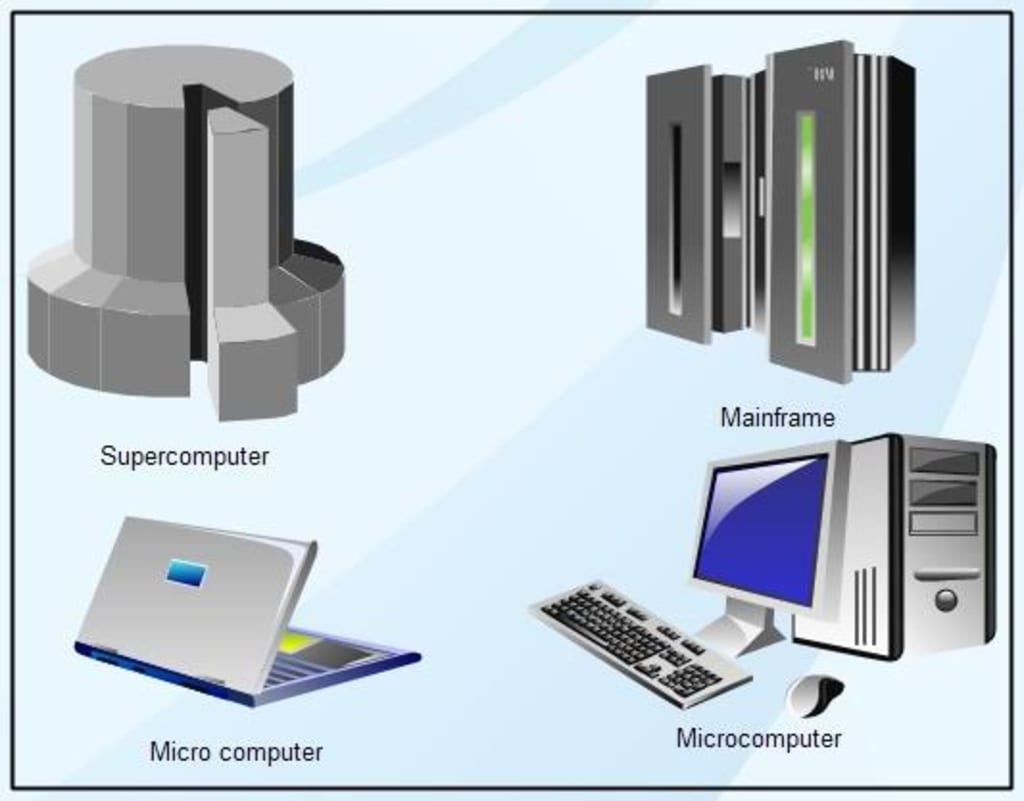
In the ever-evolving realm of computing, a rich tapestry of technological marvels awaits exploration. Within this dynamic landscape, four primary types of computers stand out as pillars of innovation, each distinguished by its unique blend of size, speed, and functionality. Supercomputers, mainframe computers, mini computers, and microcomputers represent the diverse spectrum of computing power, catering to a wide array of needs and applications in the digital age.
1. Supercomputers:
Powerhouses of Computational Might Supercomputers stand at the zenith of computing power, boasting immense size and unparalleled speed. These behemoths are equipped with multiple processors, enabling them to tackle complex calculations with lightning-fast efficiency. However, this cutting-edge performance comes at a steep price, as supercomputers are among the most expensive computing systems available. Typically housed in large, specially designed air-conditioned rooms, supercomputers find their niche in scientific and research domains. From weather forecasting and nuclear weapon testing to space exploration and earthquake studies, these formidable machines are instrumental in pushing the boundaries of human knowledge and technological advancement.
2. Mainframe Computers:
Handling Data on a Grand Scale Mainframe computers excel in processing vast amounts of data, making them indispensable for organizations dealing with substantial data loads. These robust systems support multiple users concurrently, facilitating efficient data processing for critical applications. While mainframe computers come with a hefty price tag, their superior processing power and reliability make them a preferred choice for tasks such as census data processing, consumer statistics analysis, enterprise resource planning, and online transaction processing. Large organizations rely on mainframes to ensure seamless operations and data management.
3. Mini Computers:
Bridging the Gap Mini computers, often referred to as mid-range computers or servers, occupy a unique position in the computing landscape, bridging the gap between the high-end capabilities of mainframes and the personal computing focus of microcomputers. These versatile systems offer a compelling blend of efficiency, speed, cost-effectiveness, and memory capacity, making them a popular choice for a diverse range of users and applications. Catering to a broad spectrum of needs, mini computers find their strength in their ability to support multiple users concurrently, making them ideal for environments where shared resources and collaborative work are essential. By serving as reliable database servers and web servers, mini computers play a crucial role in facilitating data management, information sharing, and online services for businesses and institutions across various industries.
4. Microcomputers:
Personal Computing Powerhouses Microcomputers, commonly referred to as personal computers, cater to the needs of individual users by virtue of their compact size and affordability. These diminutive systems are typically outfitted with a single processor, modest memory capacity, and fundamental input/output devices, rendering them well-suited for personal computing tasks. Within the realm of microcomputers, a diverse array of devices such as desktop computers, laptops, notebooks, smart TVs, smartwatches, and smartphones have emerged as indispensable tools in modern households. These versatile gadgets have permeated everyday life, bringing the power of computing to the masses and facilitating seamless connectivity, creative endeavors, and effortless communication for users of all backgrounds.
In conclusion, the diverse landscape of computer types presents a rich tapestry of options meticulously crafted to cater to specific needs and applications across various domains. Whether harnessing the immense power of supercomputers for cutting-edge research, delving into the robust capabilities of mainframe computers for data processing, exploring the versatile nature of mini computers for moderate computing tasks, or tapping into the accessibility and versatility of microcomputers for personal computing endeavors, each type plays a vital and indispensable role in shaping the dynamic, interconnected digital world we navigate daily. These distinct categories of computers collectively form the backbone of our technological ecosystem, driving innovation, productivity, and connectivity across industries and personal spheres alike.
About the Creator
Keep reading
More stories from Sanjana Dixit and writers in FYI and other communities.
Understanding 0 and 1
Have you ever been fascinated by the sheer ingenuity and mathematical elegance that underlie the fundamental language of computers, where the binary system's binary digits of 0 and 1 serve as the building blocks for all digital operations? Today, let's embark on an enlightening odyssey into the captivating realm of binary code, where the intricate dance of binary digits orchestrates the symphony of modern computing, revealing the remarkable foundation upon which our technological advancements and digital innovations are built.
By Sanjana Dixit2 years ago in FYI
Partner Visa Appeal Evidence: What Works Best For You
After a Partner Visa refusal, many applicants believe the solution is simple: I’ll just submit more evidence to the ART. But in reality, quantity does not win appeals; relevance and credibility do. So, instead of submitting a bunch of evidence, you must understand what evidence works best for a Partner Visa appeal.
By Indah Melindasari7 days ago in FYI


Comments
There are no comments for this story
Be the first to respond and start the conversation.