
Tumbled Pavers Lifespan: Key Elements That Affect Long-Term Performance
Material Quality and Manufacturing Standards

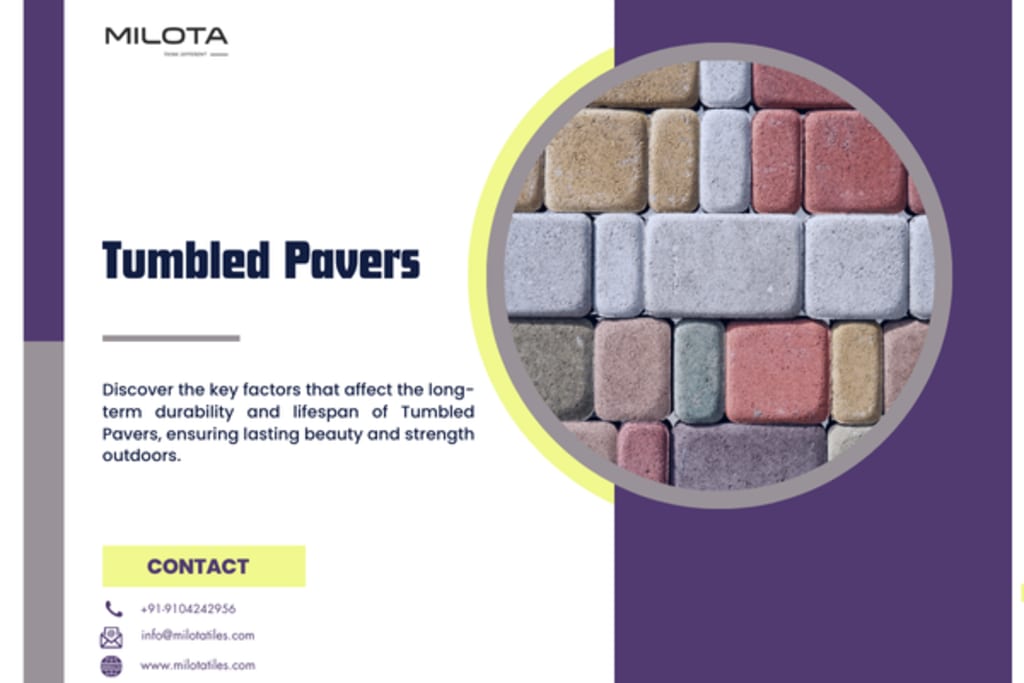
Tumbled pavers are prized for their aged, natural look, soft edges, and timeless appeal. They’re used widely for patios, driveways, walkways, pool decks, and commercial plazas because they combine beauty with functional durability. But like any paving solution, the lifespan of Tumbled Pavers is not fixed — it depends on how they’re made, how they’re installed, how they’re used, and how they’re maintained.
This article breaks down every major factor that affects the long-term durability of tumbled pavers, explains how each factor contributes to performance, and gives practical guidance to maximize lifespan. Whether you’re a homeowner planning a patio or a contractor specifying materials for a high-traffic project, understanding these variables will help you get the best value and longevity from your investment.
1. Materials and Manufacturing Quality
Stone vs. Concrete Tumbled Pavers
Tumbled pavers are produced from a few different base materials—natural stone (like travertine, limestone, or granite) and manufactured concrete being the most common.
- Natural stone tumbled pavers: Generally longer lasting and weather-resistant when properly installed. Hard stones like granite and certain limestones excel in high-traffic or freeze-thaw environments. However, some softer natural stones may chip or wear under heavy abrasion.
- Concrete tumbled pavers: Engineered for uniformity and can be very durable, especially high-strength mixes and proper curing. They offer consistent thickness, predictable strength, and color options, but lower-quality mixes, poor compaction, or inadequate curing can reduce lifespan.
Density, Porosity and Strength
- Density (compressive strength): Denser pavers resist crushing and abrasion. Compressive strength is a key performance metric—higher numbers generally mean better long-term resistance to traffic loads.
- Porosity (water absorption): Pavers with high water absorption are more vulnerable to freeze-thaw damage, staining, and biological growth. Low-absorption materials resist moisture intrusion and last longer.
- Surface finish and tumbled treatment: Tumbling softens edges and creates the aged look, but aggressive tumbling can reduce corner integrity if the stone is already soft. Quality control during tumbling ensures consistent results without compromising structural soundness.
Manufacturing Standards and QA
Reliable manufacturers test for compressive strength, freeze-thaw resistance, abrasion resistance, and dimensional tolerances. Buying pavers that meet recognized standards and come with test data increases the likelihood of long-term performance.
2. Design and Engineering Considerations
Correct Thickness for the Application
- Pedestrian areas: 40–60 mm (approx. 1.5–2.5 in) is common.
- Driveways and vehicular loads: Thicker pavers—typically 6 0–80 mm (2.5–3.1 in) or more—are required to resist point loads and rutting.
Using too-thin pavers under vehicles is one of the fastest ways to shorten lifespan.
Joint Width and Pattern
Joint width affects interlock and load distribution. Tighter joints with adequate jointing material (polymeric or washed kiln-dust) enhance interlock and prevent lateral movement. Herringbone and other interlocking patterns distribute loads better than simple running bond, making them preferable for driveways and heavy-use areas.
Drainage and Slope
A good pavement design always plans for drainage. Water pooling is a major enemy of pavers—standing water accelerates joint erosion, undermines the base, and increases freeze-thaw risk. Recommended practices include:
- Designing a slope (commonly 1–2% away from structures).
- Providing drainage channels or outlets.
- Avoiding low spots where water accumulates.
3. Base and Subgrade Preparation
Why the Base is the Foundation of Longevity
Even the best pavers will fail quickly if the base isn’t properly prepared. The base transfers loads to the ground, controls frost action, and prevents settlement.
Excavation Depth and Base Material
- Depth depends on project type and subgrade quality: pedestrian vs. driveway, local frost depth, and soil bearing capacity.
- Crushed stone / aggregate base: A compacted layer of angular crushed stone (e.g., 20–40 mm) provides stable support and excellent drainage.
- Compaction: Proper compaction in lifts (layered compaction) is essential. Under-compacted bases will settle, leading to paver sinking and uneven surfaces.
Geotextile Fabric & Sub-Base Stabilization
In weak soils, a geotextile fabric can separate subgrade from the aggregate base, reducing contamination and improving drainage. For particularly poor subgrades, mechanical stabilization, lime or cement stabilization, or a geo-grid may be necessary.
4. Bedding Layer and Jointing Material
Bedding Sand vs. Stone Dust vs. Polymeric Sand
A uniform bedding layer (often coarse sand or stone dust) creates a smooth bed for the pavers. However, jointing material is equally important:
- Washed sharp sand or stone dust: Traditional choice; allows some movement and drainage but can wash out over time.
- Polymeric sand: Contains binders that lock joints when activated with water. It resists erosion, insect invasion, and vegetation more effectively than ordinary sand.
Selecting appropriate joint material and filling joints correctly reduces the chance of movement and weeds—two contributors to early failure.
Proper Joint Filling Technique
- Sweep the material into joints several times to fully fill them.
- Compact the pavers and sweep more material into joints.
- For polymeric sand, follow manufacturer’s instructions carefully during wetting to ensure proper binding; avoid over-wetting.
5. Environmental and Climate Effects
Freeze-Thaw Cycles
In climates with freezing temperatures, water retained in porous pavers, joints, or base can freeze and expand, causing spalling, cracking, or joint deterioration. Mitigation strategies:
- Choose low water-absorption pavers.
- Ensure excellent drainage.
- Use closed-joint materials like polymeric sand to limit water retention.
Heat and UV Exposure
High temperatures and UV can fade pigments in manufactured concrete pavers over extended periods and, in extreme heat, could reduce resin-based coatings’ lifespan. Natural stone generally fares better under UV.
Salt and Deicing Chemicals
In cold climates, using aggressive deicers (like rock salt) can chemically attack some paver materials and joint sand. Choose deicers appropriate for the paver type and consider physical snow removal first.
Biological Factors
Moss, algae, lichen, and root intrusion in joints can retain moisture and accelerate deterioration. Regular cleaning helps mitigate these issues.
6. Traffic Loads and Usage Patterns
Pedestrian vs. Vehicular Loads
Wear differs dramatically with use. A patio that sees foot traffic will last much longer under the same paver type than a driveway with daily vehicle loading. Plan paver thickness, base depth, and pattern according to intended use.
Point Loads and Heavy Vehicles
Repeated heavy or concentrated loads (delivery trucks backing onto a driveway, parked heavy equipment) can cause cracking or displacement unless the pavement is engineered for such loads.
Abrasion from Sand and Grit
Sand and grit tracked across pavers act like sandpaper—over years, they can polish or wear down surface texture. Regular sweeping reduces abrasion-related wear.
7. Installation Quality and Workmanship
Poor workmanship can undo otherwise excellent materials and design:
- Uneven sand bedding, insufficient compaction, poorly leveled bases, and improper joint filling are common installation mistakes that lead to premature failure.
- Professional installers with experience in tumbled pavers will heed unique issues such as the variable thickness of natural stone and the need for careful handling during compaction to avoid chipping softer edges.
Always insist on installers who can provide references, demonstrate quality control steps, and follow best practices.
8. Maintenance: The Single Biggest Lifespan Multiplier
Routine maintenance is what separates a paver area that lasts decades from one that needs replacement in a few years.
Annual & Seasonal Tasks
- Sweep regularly to remove soil, sand, and grit that can wash into joints or cause abrasion.
- Inspect after winter for joint loss, frost heave, or surface spalling.
- Top up joints with polymeric or jointing sand as necessary to keep joints fully packed.
- Clean spills quickly—especially oil and grease, which can stain concrete pavers and degrade joint material.
Periodic Actions (every 2–5 years)
- Re-sand joints and re-compact if sand loss is noticed.
- Re-seal (if applicable): Some pavers benefit from sealers to protect against staining and color fade. Use breathable sealers for natural stone and follow product guidance.
- Repair chips and cracked pavers early to prevent water infiltration and base undermining.
Dealing with Weeds and Vegetation
Weeds in joints are both an aesthetic and structural issue. Use mechanical removal, polymeric sand, and appropriate pre-emergents or natural treatments. Preventative maintenance here is easier and cheaper than wholesale repair later.
9. Edge Restraints and Perimeter Control
Edge restraints contain lateral movement. Without them, pavers can migrate outward, joints widen, and the surface becomes unstable. Common edge restraints include concrete curbs, cast-in-place concrete edge beams, and commercial plastic or metal edging systems anchored with spikes.
A properly designed edge restraint contributes enormously to the overall integrity and lifespan of the paved area.
10. Sealing: Pros, Cons and Best Practices
Sealing pavers can provide benefits—enhanced color, improved stain resistance, and reduced water penetration—but it must be done correctly.
Benefits
- Reduces staining from oils and food.
- Enhances color and sheen on concrete pavers.
- Can reduce water penetration and slow biological growth.
Drawbacks
- Some sealers trap moisture in porous stone, causing freeze-thaw damage if not breathable.
- Sealers wear off and require reapplication; poorly timed sealing can cause surface film issues.
Best Practices
- Test a small inconspicuous area first.
- Use breathable sealers for natural stone.
- Reapply as recommended by the sealer manufacturer and after major cleaning or re-sanding.
11. Common Failure Modes and How to Prevent Them
Settlement and Sinking
Cause: Insufficient compaction or weak subgrade.
Prevention: Proper excavation, layered compaction, and adequate base depth.
Joint Sand Loss and Joint Erosion
Cause: Poor joint filling or heavy runoff.
Prevention: Use polymeric sand or well-graded joint sand and ensure good drainage.
Frost Heave and Spalling
Cause: Water infiltration and freeze-thaw.
Prevention: Low-absorption pavers, good drainage, and seasonal inspections.
Stains and Biological Growth
Cause: Oils, food, and moisture with organic debris.
Prevention: Prompt cleaning, sealers where appropriate, and routine maintenance.
Edge Loss and Lateral Movement
Cause: Missing or weak edge restraints.
Prevention: Properly designed and anchored edge restraint systems.
12. Lifespan Estimates and What to Expect
While exact lifespans vary, these general guidelines help set expectations:
- Well installed natural stone tumbled pavers: 25–75+ years with good maintenance. Many historical installations remain serviceable after a century.
- High-quality concrete tumbled pavers with proper base and maintenance: 20–40+ years.
- Poorly installed or low-quality pavers: Could show significant problems within 3–10 years.
The biggest variables are installation quality, environmental exposure, traffic loads, and maintenance habits. A robust base plus regular upkeep is the best predictor of a long life.
13. Repair, Restoration and When to Replace
Even durable pavers may need occasional restoration rather than full replacement. Typical restorative actions include:
- Replacing individual pavers that are cracked or heavily stained.
- Re-leveling settled areas by removing pavers, correcting base issues, and re-installing.
- Refreshing joint sand and re-compacting the surface.
- Re-tumbling or replacing heavily worn edges in decorative areas.
Full replacement is rarely required if the installation used modular pavers—individual units can be swapped without rebuilding the whole surface.
14. Choosing the Right Tumbled Pavers for Longevity
When selecting tumbled pavers, consider:
- Material hardness and porosity: For freeze-prone climates, choose low-absorption and hard materials.
- Manufacturer reputation and test documentation: Ask for compressive strength, absorption, and freeze-thaw test results.
- Finish and tumbling method: Ensure the aesthetic tumbling process does not compromise structural integrity.
- Compatibility with local climate and planned use: Thicker pavers and reinforced bases for vehicle use; sealed, low-absorption options for staining risk zones.
15. Practical Checklist to Maximize Lifespan
Before installation:
- Verify paver specs and test data.
- Design adequate base depth for intended loading.
- Plan for drainage and slope.
- Specify a durable jointing material (polymeric sand recommended for many climates).
During installation:
- Excavate to required depth; use clean, angular aggregate base.
- Compact base in lifts with plate compactor.
- Use geotextile in poor soils.
- Install edge restraints anchored properly.
- Bed pavers on level screeded bedding sand; compact after laying.
- Fill and compact joints; activate polymeric sand as directed.
After installation / long-term:
- Sweep regularly and remove debris.
- Inspect seasonally and after extremes (heavy rain, freeze).
- Refill joints and reapply sealers (if used) per schedule.
- Clean spills quickly to avoid staining.
- Repair loose or damaged pavers promptly.
Conclusion
The long-term durability of Tumbled Pavers is not a single-factor outcome—it's the product of material selection, thoughtful design, robust base engineering, correct installation, and consistent maintenance. While high-quality materials and craftsmanship lay the groundwork, routine care and attention to drainage, joint health, and edge restraint are what truly extend service life.
When planned properly, tumbled paver installations can deliver decades of beauty and performance. For homeowners and professionals seeking premium options, reliable suppliers and tested products are essential. Explore high-quality tumbled pavers and expert guidance at Milota Tiles – Tumbled Pavers to ensure your next hardscaping project stands the test of time.
About the Creator
Milota Tiles
Milota Tile is a proud venture of the Milota Group, rapidly emerging as a leading name in the manufacturing, distribution, and export of premium ceramic and porcelain tiles under the MILOTA brand.
Keep reading
More stories from Milota Tiles and writers in FYI and other communities.
12 Ways to Use Moroccan Tiles in Your Kitchen
The kitchen is often called the heart of the home. It’s a place where food, family, and memories come together. But beyond its function, the kitchen is also a canvas for design and self-expression. If you’re searching for a way to add vibrancy, elegance, and timeless character to your kitchen, Moroccan Tiles are one of the most versatile and visually stunning solutions.
By Milota Tiles6 months ago in FYI



Comments
There are no comments for this story
Be the first to respond and start the conversation.