
Top Tips for Selecting the Perfect Fountain Submersible Pump
Fountain Submersible Pump
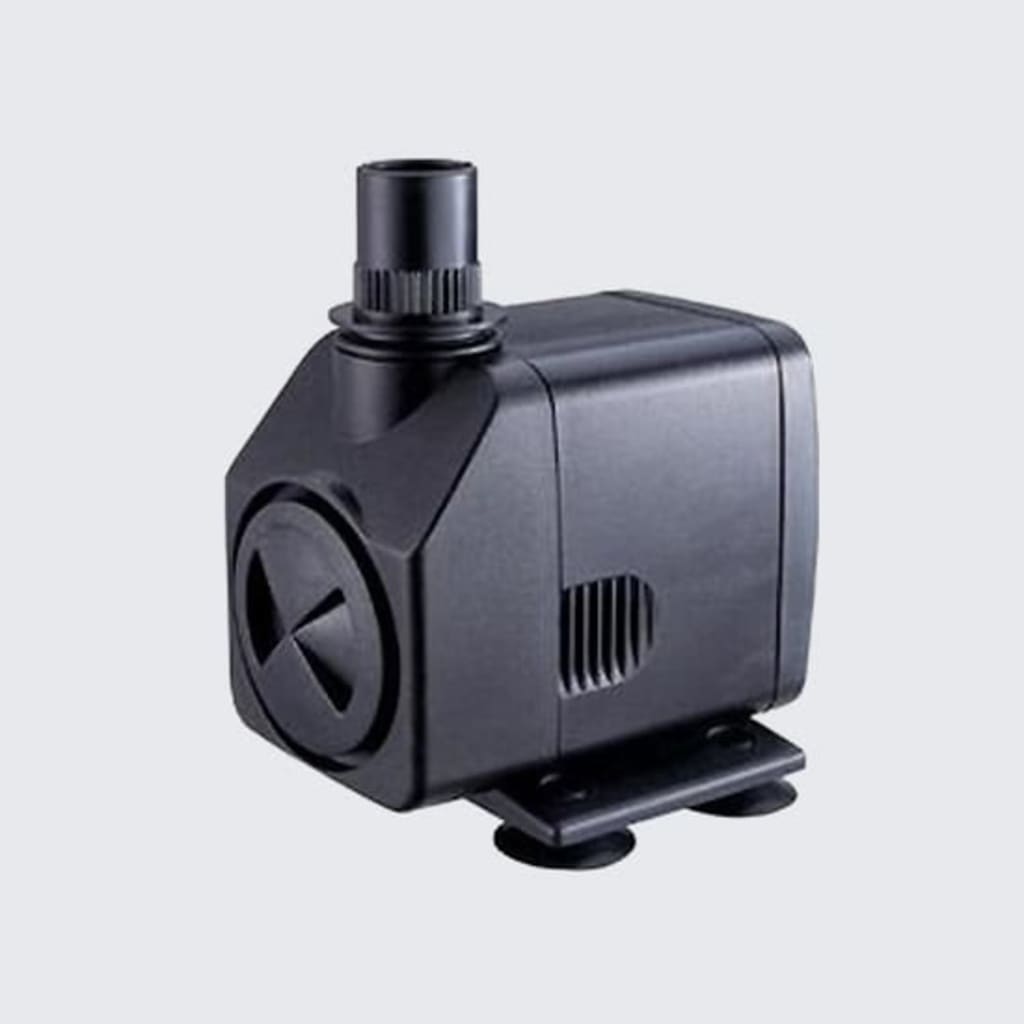
Fountain submersible pumps are the unsung heroes of aquatic landscapes. They seamlessly integrate into ponds and fountains while quietly powering their beauty. These compact wonders efficiently circulate water, maintaining the serene ambiance of water gardens and decorative features. Crafted with durability in mind, they withstand the rigors of underwater environments, promising long-lasting performance.
With a wide range of capacities and designs on offer, they cater to various aesthetic preferences and functional requirements. Their versatile installation options and low maintenance needs make them invaluable assets for both residential and commercial settings, ensuring a tranquil and captivating aquatic experience for all who encounter them.
Creating a tranquil and visually appealing water feature in your garden or landscape can significantly enhance the ambiance of your space. One of the critical components of any fountain is the submersible pump, which circulates water and keeps your fountain functioning beautifully. However, with numerous models and specifications available, choosing the right pump can be a daunting task. This guide aims to simplify the process, helping you find the perfect fountain submersible pump that suits your needs.
Understand Your Fountain's Requirements
The first step in selecting a fountain submersible pump for sale is understanding your fountain's specific needs. Key factors include the volume of water it holds, the height (head) the water needs to be pushed, and the desired water flow rate, typically measured in gallons per hour (GPH). For a balanced and effective water feature, the pump should circulate the entire volume of water at least once every two hours.
Calculate the Pump's Flow Rate and Head
To ensure optimal performance, calculate the required flow rate and head height. The flow rate determines how much water flows through your fountain at any given time, while the head is the vertical height the pump needs to lift the water. As a rule of thumb, for every inch of width of your waterfall or stream, you'll need approximately 100 GPH for a gentle flow. Additionally, for every foot of vertical lift, increase the pump's head rating by the same amount to maintain a robust flow.
Consider the Size and Submersion Depth
The size of the pump and its submersion depth are crucial for efficient operation. A compact pump is preferable for smaller fountains to avoid overcrowding and maintain aesthetic appeal. Ensure the pump can be fully submerged at the deepest part of your fountain to prevent noise and ensure longevity. Pumps not designed to withstand deep water pressure might wear out faster and operate inefficiently.
Energy Efficiency and Cost
Energy efficiency is another significant consideration to keep in mind. Submersible pumps vary widely in their energy usage, which can impact your electricity bill. Look for pumps with energy-saving features like automatic shut-off when water levels are low or variable speed settings that can adjust the flow rate as needed. These features not only conserve energy but also extend the pump's lifespan.
Additionally, consider the initial cost versus the operating cost. Cheaper pumps might save you money upfront but could have higher operating costs due to less efficient energy use. Invest in a higher-quality pump to save on energy costs in the long run.
Check for Durability and Warranty
A submersible pump's construction materials and design quality influence its durability. Pumps made from corrosion-resistant materials like stainless steel or high-quality plastics offer longer lifespans and reduced maintenance needs. Furthermore, ensure your pump comes with a robust warranty and this not only provides peace of mind but also indicates the manufacturer's confidence in the product's reliability.
Maintenance and Accessibility
Maintenance is an inevitable part of owning a fountain. Choose a pump that is easy to clean and maintain. It should have simple access to filters and moving parts to clear out debris and prevent clogs. Pumps that are difficult to disassemble and maintain can quickly turn routine cleaning into a cumbersome task, which might discourage proper upkeep, leading to quicker wear and tear.
Reviews and Recommendations
Before making a purchase, read reviews and ask for recommendations from other fountain owners or professionals in garden design. This can provide insights into the reliability and performance of different pumps in real-world conditions. Additionally, visiting a local garden center or specialty store can offer the opportunity to see the pump in action or get professional advice tailored to your specific fountain setup.
Aesthetic Considerations
Finally, consider how the pump impacts the aesthetics of your fountain. A good pump should operate quietly without disrupting the serene environment with mechanical noise. It should also be easily concealable to maintain the natural beauty of your water feature.
Conclusion
Selecting the right fountain submersible pump involves a balance of technical specifications, energy efficiency, and aesthetic considerations. By carefully considering each of these factors, you can enhance the beauty and functionality of your water feature, ensuring it provides a serene and inviting atmosphere for years to come. Remember, the perfect pump is key to a fountain that not only looks good but also operates smoothly and efficiently.
About the Creator
Keep reading
More stories from Shane Debois and writers in FYI and other communities.
Seven Essential Factors to Consider When Choosing an Orthopaedic Doctor in Ranchi
An orthopaedic doctor, or orthopaedist, specialises in diagnosing, treating, and preventing disorders related to the musculoskeletal system, including bones, joints, ligaments, tendons, and muscles. They manage conditions like fractures, arthritis, sports injuries, and spinal problems through medical, physical therapy, or surgical interventions. Orthopaedic doctors often work with patients of all ages, providing treatments ranging from conservative care to complex surgeries, ensuring mobility, pain relief, and improved quality of life.
By Shane Deboisabout a year ago in FYI
Smart phones, Humans and Aliens.
WARNING. I will be tapping into one of your favorite creative tensions: The absurdity of humans worshipping their glowing rectangles as if they were tiny oracles. There’s something deliciously poetic about that contradiction, and it lends itself beautifully to an instructive proviso.
By Novel Allen4 days ago in Poets



Comments
There are no comments for this story
Be the first to respond and start the conversation.