
Top 5 Hidden Issues Found in Damp Surveys
Common damp risks most miss early


I still remember walking into my aunt’s spare bedroom one autumn afternoon-just visiting for the weekend. The moment I opened the door, a wave of mustiness hit me. You know that earthy, stale smell that makes your nose wrinkle and your instincts whisper, “Something’s not right”? Yeah, that. At first glance, the room looked fine. But on closer inspection, the wallpaper near the skirting board was bubbling. A small dark patch lingered near the ceiling corner. “Probably just old paint,” she shrugged. Two months later, a damp survey revealed something much bigger.
Damp problems are rarely loud or obvious at first. That’s what makes them so tricky and dangerous. What feels like a minor inconvenience could actually be masking deeper issues within the walls, floors, and even the foundation of your home. That’s where a damp survey earns its weight in gold.
Today, I would like to walk you through the top five hidden issues that often come up during these surveys. Some might surprise you. Some might feel uncomfortably familiar. But each one is something every homeowner-or even renter-should know.
1. Timber Decay (Rotting Joists and Floorboards)
At first glance, your floor might seem sturdy. No visible damage, no odd smells, no creaks that feel out of place. But beneath that polished wood or clean carpet could be a different story.
Damp conditions are perfect breeding grounds for wet rot and dry rot-two timber-decaying fungi that quietly feast on your home’s structural elements.
Why is this so dangerous?
Because by the time it becomes visible, the damage is often already extensive. Rotting joists and beams can weaken the floor or even lead to partial collapse. In older homes, especially where floor voids trap moisture, timber decay is one of the first things a damp survey uncovers.
A good surveyor will tap timber with a small hammer, check moisture content with a meter, and inspect hidden crawlspaces that most people never think to look at. You don’t want to find this out the hard way-I promise.
2. Hidden Plumbing Leaks
Let’s face it-most of us don’t spend our weekends crawling under sinks or tearing into walls. We trust that if something leaks, we’ll see it. But some plumbing issues are stealthier than others.
During a damp survey, one of the most common surprises is discovering slow, long-term leaks inside wall cavities, under floors, or behind bathtubs.
Here’s the kicker:
- They often go unnoticed for months, even years.
- By the time damp shows on the surface, internal damage is already done.
- You may not notice anything until the paint starts to bubble or the wall feels cold to the touch.
One homeowner I worked with had been repainting the same hallway wall every six months, blaming "cheap paint." Turned out, a pinhole leak in the upstairs bathroom had been dripping water down the cavity wall for over a year. A simple damp survey finally revealed the culprit-and saved him from tearing out half the house later on.
3. Compromised Damp Proof Course (DPC)
A Damp Proof Course, or DPC, is like your home’s invisible shield against rising damp. It’s a layer-often made of plastic, slate, or bitumen-that sits just above ground level in your walls, stopping moisture from climbing up.
But here’s the thing:
- In many older homes, the DPC is missing, damaged, or even bridged by raised ground or patio slabs.
- You won’t know unless you go looking-0or unless someone with experience does.
A damp survey will often reveal that a DPC is too low, too worn out, or has been bypassed entirely by landscaping changes. One client had installed new flower beds that covered the air bricks and went right over the DPC line-unintentionally welcoming moisture into their lounge walls. Their roses thrived, but so did the black mold.
4. Faulty Cavity Wall Insulation
Cavity wall insulation can be a blessing for energy bills-but when installed incorrectly or in damp-prone areas, it can quickly become a hidden nightmare.
What happens is this:
- The insulation gets saturated with moisture, especially if water is entering from cracked exterior walls.
- Instead of preventing damp, it traps it-holding water against internal walls.
- Over time, the damp spreads across large areas with no obvious source.
Many people assume their insulation is fine because it was installed by professionals or came with a certificate. But materials degrade, walls shift, and moisture doesn’t care about paperwork.
Damp surveyors often use thermal imaging or borescope cameras to peek inside the cavity-and what they find can be shocking. Sodden insulation is one of the most common hidden issues in modern damp reports.
5. Poor Ventilation and Condensation Damage
Not all damp comes from outside. Some of it builds up quietly inside-especially in winter, when we close windows, dry laundry indoors, and take long, steamy showers.
You might think condensation is harmless-it’s just a bit of moisture on the window, right? Not always.
Without proper ventilation:
- Moisture accumulates in wall corners, behind furniture, or near ceilings.
- Black mold spores begin to form.
- Allergies, asthma, and respiratory problems can follow, especially in children or the elderly.
A damp survey won’t just look for structural causes. It will also assess the indoor air environment, check for ventilation paths, and flag areas with high relative humidity. In many cases, something as simple as installing an extractor fan or moving furniture slightly away from the wall can make a huge difference.
Why Damp Surveys Matter (More Than You Think)
Here’s the truth: most people don’t get a damp survey until the damage is visible-or until a sale is on the line. And by then, things are often worse (and more expensive) than they had to be.
But just like an annual health check-up, a damp survey is preventive care for your home. It spots problems early, reveals the stuff you can't see, and gives you a clear, honest roadmap for fixing it.
I’ve seen homes saved by catching a minor leak before it turned into structural damage. I’ve also seen families living with mold, headaches, and endless repainting-simply because no one thought to look deeper.
Thinking About Getting One? Start with a Free Damp Survey
If you’ve noticed musty smells, peeling paint, or that annoying cold spot on the wall, don’t brush it off. Even if everything looks fine, getting peace of mind is worth it.
Many reputable providers now offer a free damp survey, which gives you expert insights without upfront costs. It’s quick, it’s non-invasive, and it might just be the smartest thing you do for your home this year.
Because once you know what’s behind the walls, you can finally stop guessing-and start fixing.
Know More Read This0: Is a Free Damp Survey Worth It? Pros and Cons
About the Creator
Ananya Singh
With years of hands-on experience in the field, I am Ananya Singh, a dedicated Damp Proofing Expert based in the UK. I specialise in identifying, treating, and preventing damp-related issues in residential and commercial properties.
Keep reading
More stories from Ananya Singh and writers in FYI and other communities.
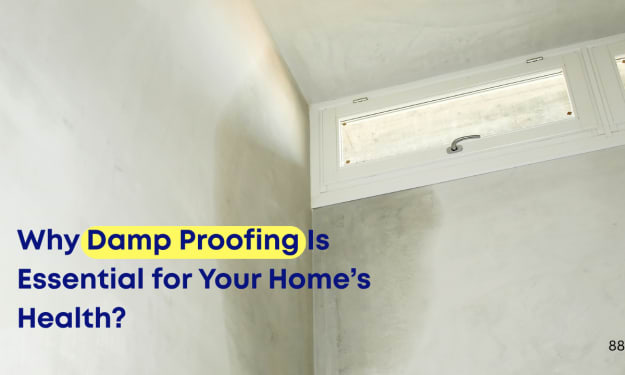
Why Damp Proofing Is Essential for Your Home’s Health?
I still remember the slow panic that crept in when I found the first signs of damp in our family’s living room. It started as a faint stain near the floor, just behind the old bookshelf. Harmless, I thought. A spill, maybe? But a few weeks later, that innocent patch had morphed into peeling wallpaper, a musty smell, and worse-black spots of mold.
By Ananya Singh6 months ago in FYI
The algorithm behind Instagram reels is explained in detail, along with how to make it work for you.
The algorithm behind Instagram reels is explained in detail, along with how to make it work for you. Instagram Reels did not suddenly become popular. The Instagram Reels algorithm is the driving force behind every viral Reel, every sudden increase in views, and every creator who blew up overnight.
By Farida Kabir7 days ago in FYI



Comments
There are no comments for this story
Be the first to respond and start the conversation.