
Today's Lesson is Life in the Elizabethan Era
"I have already joined myself in marriage to a husband, namely the kingdom of England" --- "Elizabeth I
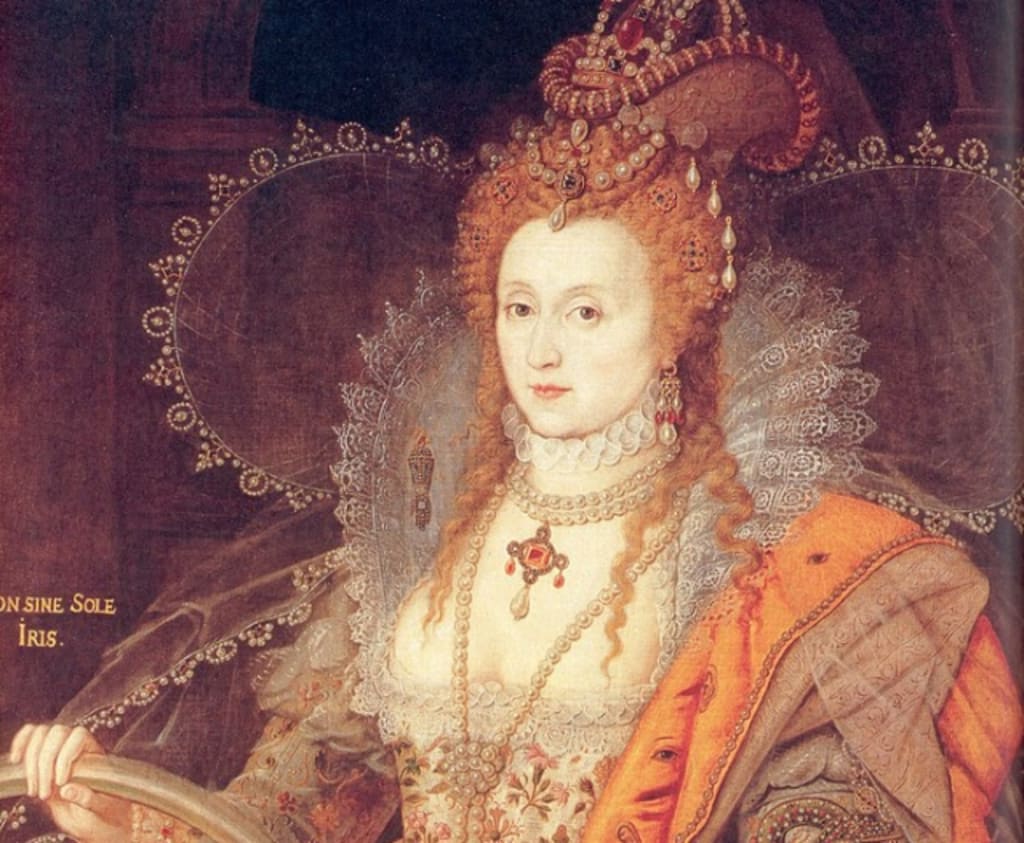
Good Queen Bess was popular with her people, especially towards the end of her 45 year reign. After the domineering reign of her sister, “Bloody Mary”, Elizabeth brought England back to the Protestant faith and refused to persecute Catholics or put them to death, especially after her sister had executed over 300 Protestants. Also, Elizabeth I never married, calling “England” her husband, showing how much she cared for her people. Elizabeth I was one of the longest reigning Queens of England, many of her people never knowing any other Queen (or King)!
As always, life for the rich was comfortable. These people were very often landowners who built their houses according to their status, and because most of their money came from rents on their Estates, these gentlemen didn’t have to work. The ‘middling sort’ (or middle classes) worked for their living, many of them were tradesmen and craftsmen who had their own businesses. These ‘workers’ lived in fairly large houses but did not have the wealth or number of servants that the gentry had. However, half of the population were the ‘labouring poor’, who worked for others (usually on the farms) and who were always on the lower scale of money. They were always finding it hard to make enough money for the rent, food or fuel, and their houses were simple and ‘one storey’. So here we still see the “Class Divide” of the Upper class, Middle class and Working or Lower class.
Food was more natural and healthy back then, with vegetables coming straight from the farms. For the wealthy, their table could be filled with beef, pork, lamb, veal, deer, peacock and swan, as well as salmon, trout and crab and lobster (to name a few of the dishes). The poor would have cheese, eggs, pottage (which was a vegetable soup thickened with oats), and anything they could catch such as rabbit or pigeon, on their table. An interesting fact is that Elizabeth I made a law that ‘compelled’ everyone to eat fish on Wednesdays (1563), to support the fishing industry. To disobey this law could have meant three months in jail.
Women, of any class, were subservient to men and dependent on their fathers, husbands or male relatives. Some did obtain a licence for midwifery, there was no such person as a woman doctor, with most living at home, marrying and having children. This applied especially to the Upper class, as the poorer women had to work to help with their husbands finances to pay the bills, as well as look after the home and have children. At a time when a Queen sat on the throne, women (in general) had very few “Rights”. Men were the leaders and women were the ‘weaker sex’. Although girls were not allowed to go to school or university, some like Elizabeth I, had a good education, but again, it came down to who could afford it. Many of the lower classes were illiterate all of their lives.
Medicine was very different in the Elizabethan Era. It seemed that medicine and superstition went hand in hand. People believed that most illnesses were God’s way of showing His ‘displeasure’, or if someone became ill it was because they had sinned. Medicine was attached to astrology and it was often ‘believed’ that illnesses were caused because of the planets moving in certain ways. This sounds so strange to us today, but we have to remember that there just was not the research or knowledge back then. There were few highly qualified doctors who only the very rich could afford. A lot of the time, remedies were passed down through the generations, tried and tested methods which generally did work, especially amongst the lower classes. Interestingly, many different types of herbs were used, even as they are used today in prescriptions, we just take them in pill form.
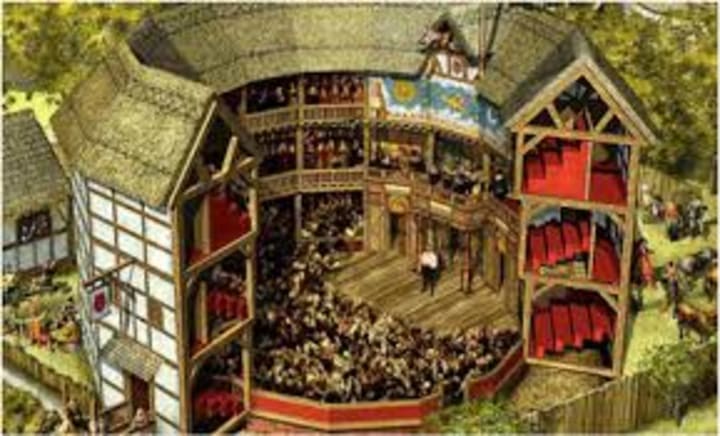
Entertainment was very popular amongst the rich who did not need to work, but the poor also found the time for recreation. Feasts, fairs and special occasions (such as weddings) were all good ‘excuses’ for the entertainment of the day. Mummers, minstrels and troubadours would travel the country, entertaining the crowds in the streets. Hunting and hawking was popular amongst the gentry. Games and sports were enjoyed by all. One of the most popular forms of entertainment was the theatre, and it was during this Era that Shakespeare became famous. The rich and poor alike could watch the plays, with the rich sitting and the poor standing. Football was played but it was a very different and much more dangerous game, resembling rugby, with no referee, no rules but still with the two goals. It was more the ‘common man’s’ game.
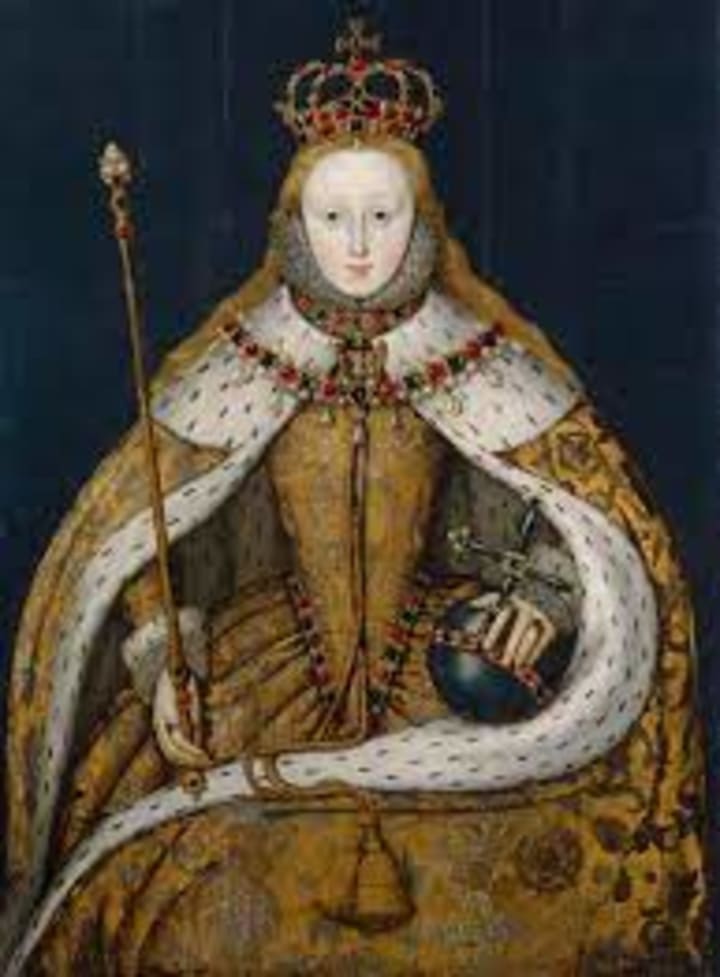
“But in the 16th Century some individuals do change the course of society. We think immediately of the Queen. Elizabeth deserves the credit for making herself splendidly visible to her people. She is loved by her people — not all of them, certainly, but by the majority — who have confidence in her as a God-chosen ruler”. We finish with this quote by Ian Mortimer, because this time was called the Elizabethan Era because of the influence of the then reigning Good Queen Bess — Elizabeth I.
About the Creator
Ruth Elizabeth Stiff
I love all things Earthy and Self-Help
History is one of my favourite subjects and I love to write short fiction
Research is so interesting for me too
Keep reading
More stories from Ruth Elizabeth Stiff and writers in FYI and other communities.
Today's Lesson is the Stuart Era
Good morning, today we will be looking at what life was like during the Stuart Era. The years are 1603 to 1714 and four Kings and two Queens reigned over England at this time. Most of the population were poor, with many living in real poverty. There was a surge in the population which had the knock-on effect, impacting the living standards which added to the poverty and many were hungry. It was at this time in history that The Poor Laws were introduced, with the aim to help relieve life for the very poorest of people.
By Ruth Elizabeth Stiff4 years ago in FYI


Comments
There are no comments for this story
Be the first to respond and start the conversation.