
Tiny Hands, Big Messages: Kids Connecting with Seniors
Writing letters for the elderly may seem like a small gesture, but its impact is truly meaningful.

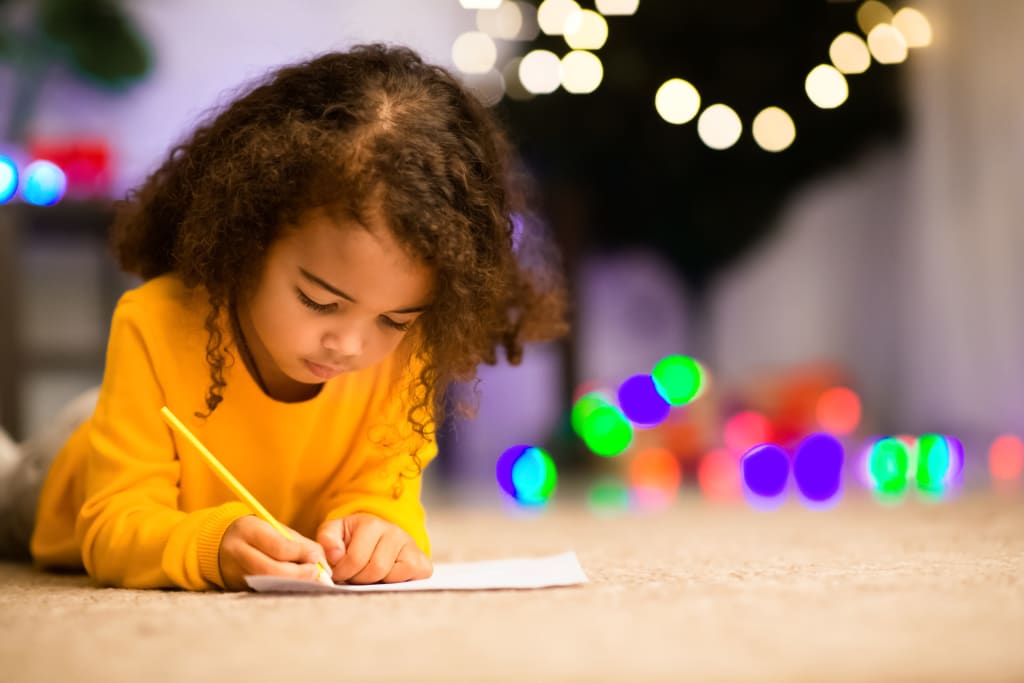
Kids have a natural way of spreading joy through simple words and drawings. One powerful way they can connect with others is by writing letters for elderly people. Many seniors feel lonely, especially those in care homes or far from family. A cheerful note from a child can brighten their day and remind them they are loved. These letters do more than offer joy—they teach kids kindness, empathy, and gratitude. By encouraging this activity, families and schools help build emotional connections across generations. Through small hands and big hearts, kids can make a lasting difference in someone’s life.
Why Kids Should Write to Seniors
- Bridging the Generational Gap
When children write letters, they help bridge the age gap between the young and the old. Seniors often feel lonely, especially if they live alone or in nursing homes. A child’s letter can remind them that they are not forgotten.
- Learning Empathy and Kindness
Kids learn how to care for others. Writing to someone they have never met teaches them to show love and kindness to everyone.
- Encouraging Handwriting and Expression
These letters also help kids improve their writing skills. They learn how to express their thoughts clearly and with feeling.
Benefits for Seniors
- Boosts Their Mood
Receiving letters can cheer up elderly people. Even a short message with a drawing makes them smile.
- Creates a Sense of Belonging
Letters from children help seniors feel part of the community. They know someone is thinking about them.
- Brings Back Memories
Reading a child’s letter can remind seniors of their own childhood. This memory spark can bring great comfort and joy.
How to Get Kids Started with Letter Writing
1. Keep It Simple
Ask kids to write short and sweet letters. A few sentences and a drawing can say a lot.
Example: “Hi! My name is Maya. I love drawing cats. What do you like to do?”
2. Use Bright Colors
Encourage kids to use crayons, stickers, and drawings. These extras make letters more fun and cheerful.
3. Ask Fun Questions
Help children think of questions to ask seniors. This makes the letter more like a conversation.
Examples:
- What games did you play as a child?
- What is your favorite food?
- Did you have pets when you were young?
4. Add Positive Messages
Teach kids to include happy and kind words. These small notes can brighten someone’s whole day.
- Examples:
“You are amazing!”
“I hope you have a happy day!”
“You are in my thoughts.”
Ways to Send Kids Letters to Seniors
Here are some ways where you can send kids letters to seniors.
- Partner with Local Senior Centers
Many retirement homes accept letters from kids. Some even have pen pal programs.
- Join Online Letter Projects
There are many websites and groups that connect kids with seniors through letter writing. These projects make it easy and safe.
Create a School or Group Project
Schools, churches, and community groups can make this a fun activity. A class project to send kids letters to seniors brings many kids together for a good cause.
Tips for Parents and Teachers
Explain the Purpose
Talk to kids about why their letter matters. Help them understand how their kind words can help someone.
Give Writing Prompts
Use simple prompts to get kids started.
- “Tell about your favorite hobby.”
- “Share a happy memory.”
- “Write about your pet or favorite toy.”
- Encourage Regular Letters
Even one letter helps, but sending letters more often builds a lasting bond. Kids can write once a month or more.
- Real Impact, Real Smiles
Even though the letters are simple, their impact is huge. One letter can lift a senior’s mood for days. In return, some seniors may even write back, starting a joyful exchange.
Stories to Inspire
- Liam, age 7, sent his first letter and got a sweet thank-you note from a senior named Mary. Now they write every month.
- Anaya, age 9, made 10 colorful cards with kind words and sent them to a local home. The staff said it brightened everyone’s week.
These small stories show how letters to seniors create real joy and change lives.
Make Letter Writing a Routine
- Involve the Whole Family
Parents can write letters, too. Doing this together can be a great family bonding time.
- Celebrate Special Days
Kids can write letters for holidays, birthdays, or just “thinking of you” messages. Every letter counts.
- Create a Letter Box at Home or School
Kids can drop their letters in a box each week. Then, send them in batches to seniors in care homes.
Conclusion
Writing letters for the elderly may seem like a small gesture, but its impact is truly meaningful. When a child sends a letter or drawing, it brings joy, comfort, and connection to someone who may feel forgotten. At the same time, kids learn compassion, patience, and the value of reaching out. These simple letters to seniors build bridges between generations and remind them that they are still cherished. Over time, what begins as a kind act can grow into a beautiful habit of care. Let’s help our children send more smiles through paper and ink—because tiny hands can carry truly big messages.
About the Creator
Ace of Hearts Project
The Ace of Hearts Project, based in Santa Ana, CA, spreads joy by delivering toys to children in need and writing Letters of Love to children in hospitals, promoting care, and seniors in assisted living.
Keep reading
More stories from Ace of Hearts Project and writers in FYI and other communities.
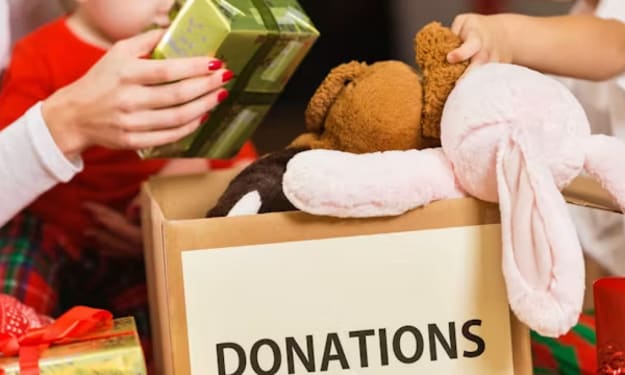
How Soft Toy Donations Can Comfort Children in Need
Where many children face difficult circumstances, ranging from poverty and abandonment to trauma and displacement, something as simple as a soft toy can become a powerful source of comfort. While it might seem small to adults, to a child, a cuddly toy can be a source of safety, emotional expression, and hope. Soft toy donation initiatives, therefore, play a much more vital role than one might initially think. Many children experience trauma, poverty, or displacement; comfort is often hard to find.
By Ace of Hearts Project7 months ago in FYI



Comments
There are no comments for this story
Be the first to respond and start the conversation.