
This $100 Cup of Coffee Comes From Animal Poop — And It’s Taking the World by Storm
Kopi Luwak

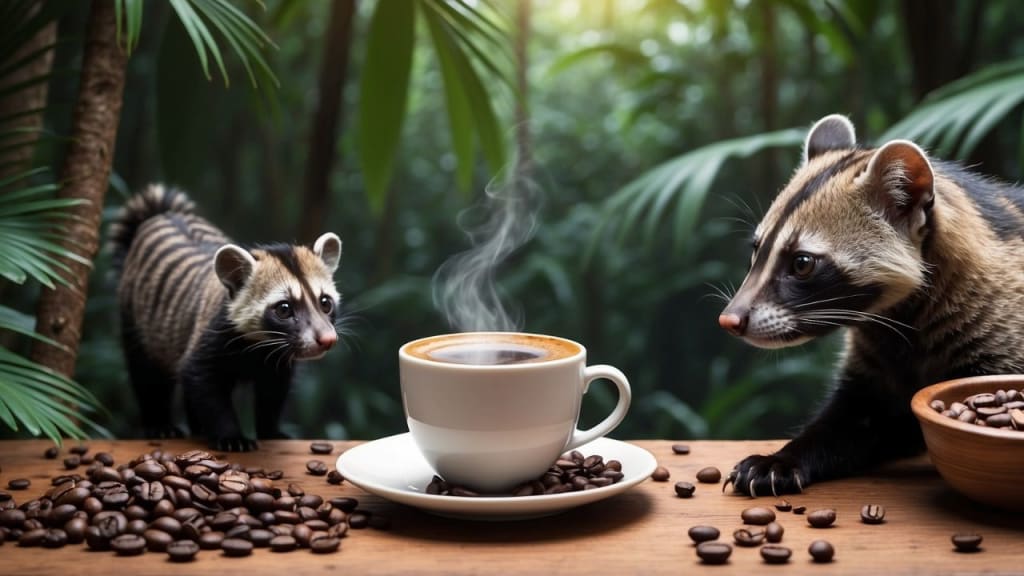
Would you pay $100 for a single cup of coffee?
What if I told you that this luxurious beverage was made from beans that passed through an animal’s digestive system?
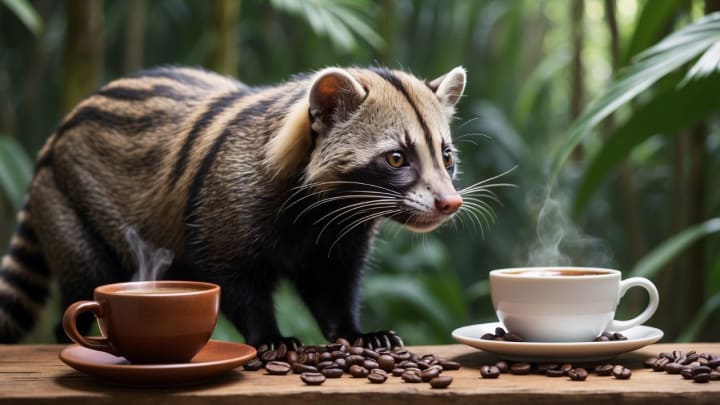
It may sound outrageous, but it’s absolutely true. The world’s most expensive coffee — known as **Kopi Luwak** — is brewed using coffee beans excreted by a small, cat-like mammal called the **Asian palm civet**, or **luwak** in Indonesian.
In Bangla, this animal is known as **খাটাশ (Khaṭāsh)**. Despite its bizarre origin, this coffee is considered a rare delicacy and has found a place on the menus of elite coffee houses around the globe.
But how did animal poop become such a high-priced item in the coffee industry? Let’s dive into the fascinating, weird, and controversial story behind **Kopi Luwak**, the poop coffee that’s taken the world by storm.
---
### What Is Kopi Luwak Coffee?
Kopi Luwak originates from Indonesia, but it's now also produced in parts of the Philippines, Vietnam, and India. The Asian palm civet, a nocturnal mammal, feeds on ripe coffee cherries — the fruit surrounding the coffee bean.
Here’s where it gets unusual.
As the civet digests the cherries, the outer pulp is broken down, but the inner bean remains intact. Inside the animal’s stomach, natural enzymes begin to ferment the beans, removing some of their bitterness and adding a unique flavor profile. Eventually, the civet excretes the beans, which are then collected, thoroughly washed, sun-dried, roasted, and ground — just like regular coffee beans.
But the result is anything *but* ordinary.
---
### Why Is It So Expensive?
Kopi Luwak is expensive for several reasons:
* **Limited Supply:** A single civet can only digest a small amount of cherries per day. This natural limitation means very small quantities of coffee are produced annually.
* **Labor-Intensive Process:** From hand-collecting the feces to cleaning and roasting the beans, the production process is highly manual and time-consuming.
* **Unique Flavor:** Fans of Kopi Luwak claim the fermentation process creates a smoother, less acidic, and more aromatic cup of coffee. It has been described as earthy, chocolaty, and musky — unlike any other coffee in the world.
* **Exotic Appeal:** Let’s face it — the novelty of drinking coffee that came out of an animal’s digestive system adds a bizarre kind of prestige.
The result? **Kopi Luwak can sell for \$100 to \$600 per pound**, with a single cup fetching anywhere from **\$35 to over \$100** at high-end cafes.
---
### A Controversial Luxury
While some coffee connoisseurs swear by the flavor of Kopi Luwak, the industry has not been without criticism — and for good reason.
The rising demand for this exotic coffee has unfortunately led to unethical practices. In many regions, civets are kept in small cages and force-fed coffee cherries to increase production. This not only causes immense suffering for the animals but also degrades the quality of the coffee. When civets are not free to choose the ripest cherries (as they do in the wild), the fermentation process is compromised.
Animal rights organizations and ethical coffee producers are now raising awareness about the dark side of the Kopi Luwak trade. They urge consumers to ensure that the coffee they buy is **wild-sourced and cruelty-free**.
---
### Should You Try It?
So, should you shell out \$100 to sip this strange brew?
If you're an adventurous foodie or a hardcore coffee lover, trying Kopi Luwak could be a once-in-a-lifetime experience. But be sure to check the source. Look for certifications or evidence that the coffee was collected ethically and sustainably. Trustworthy producers will proudly advertise that their beans come from wild civets, not caged ones.
And if the idea still turns your stomach, no worries — the world of specialty coffee is vast, and there are plenty of other gourmet options that don’t involve animal excrement!
---
### Final Thoughts
Kopi Luwak is perhaps the ultimate example of how far humans will go in search of new tastes and status symbols — even if it means drinking coffee that was once animal poop.
Strange? Yes. Expensive? Definitely.
Worth trying? That’s up to you.
But one thing is certain: the story behind this cup of coffee is just as bold as its flavor.
---
About the Creator
AlaTrend
Welcome to AlaTrend
Assalamu alaikom
where every trend meets truth. I bring you the latest buzz, breaking stories, and sharp insights on what's shaping our world.
Stay ahead, stay informed!!!
How to Succeed at the Benson Directory®
Congratulations and welcome to the Benson Directory® employee #22391! As our newest call handler, you will have the privilege of speaking with dozens of unique and interesting people on a daily basis as well as the opportunity to earn bonuses for high performance. Contained within this handbook you will find a set of ease to follow instructions designed to help you settle in to your new role and begin paving the way to success.
By S. A. Crawford3 days ago in Fiction



Comments (4)
With the extensive degree it takes to get the results of this coffee, it is no wonder it is so expensive! I would definitely be curious to try.
Great, I have Coffee plants, will try!!!
Coffee😴 My favourite
Wonderful work