
Things to Know Before Buying Moroccan Tiles for Your Home
How to Identify Authentic Moroccan Tiles

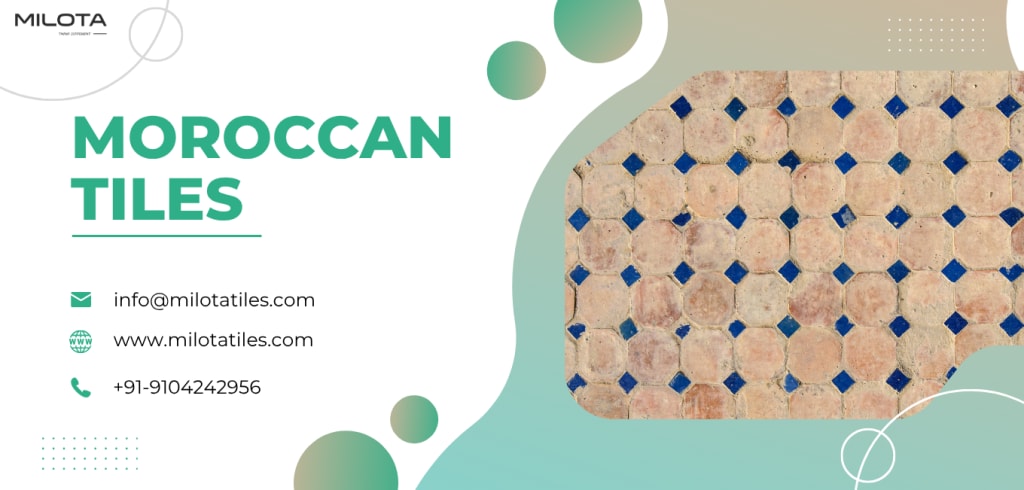
Moroccan tiles have been captivating homeowners and designers for centuries with their vibrant colors, intricate patterns, and unmistakable charm. Whether you're looking to refresh your kitchen, revamp your bathroom, or add flair to an outdoor space, these handcrafted beauties can bring life and artistry to any setting.
But before you fall in love with a pattern and click “buy,” there are several essential things you should know about Moroccan tiles to ensure you choose the right type for your project and get the most out of your investment. In this guide, we’ll walk you through everything you need to know before buying Moroccan tiles for your home.
1. Understanding What Moroccan Tiles Are
Moroccan tiles are traditional ceramic or terracotta tiles that originate from the rich artistic traditions of Morocco. They are best known for their bold geometric patterns, earthy tones, and glazed finishes. One of the most iconic types is the Moroccan zellige tiles, which are hand-cut, hand-glazed tiles made from natural clay found near Fez, Morocco.
Each tile is a small piece of art, and no two are exactly alike. The craftsmanship, color variations, and textures create a unique and organic feel that machine-made tiles can’t replicate.
2. Types of Moroccan Tiles to Consider
Before making a purchase, it's important to understand the different types of Moroccan tiles available:
Moroccan Zellige Tiles
Zellige (pronounced “zel-ij”) tiles are handcrafted and glazed using a centuries-old technique. They are known for their uneven surfaces, rich color depth, and charming imperfections. These tiles are commonly used for walls, backsplashes, fireplaces, and decorative accents.
Moroccan Floor Tiles
These are typically more durable and suited for high-traffic areas. Moroccan floor tiles are often made with cement or stronger ceramic to withstand wear and tear. They are ideal for entryways, kitchens, bathrooms, and even patios.
Cement Moroccan Tiles
These are not traditional zellige tiles but are often used for flooring due to their durability. They replicate the bold patterns and colors of Moroccan design while offering a more practical and affordable option for floors.
3. Think About Tile Placement
The location where you plan to install your Moroccan tiles will influence your choice.
- For walls and backsplashes: Zellige tiles are perfect because of their stunning color glazes and reflective qualities.
- For flooring: Go with more durable Moroccan floor tiles made from cement or high-grade ceramic.
- For bathrooms: Make sure the tiles are water-resistant and sealed properly to prevent mold or water damage.
- Outdoor spaces: Choose frost-proof tiles that can handle extreme weather conditions.
4. Color and Pattern Variations Are Natural
If you're used to machine-made tiles that are uniform and flawless, Moroccan tiles might surprise you. Their beauty lies in their imperfections. Color variations, chips, and surface irregularities are part of their charm—not defects.
These traits give Moroccan zellige tiles a lively, organic feel that adds depth and personality to any space. When ordering, it’s wise to order 10–15% extra to account for color matching and any breakage during installation.
5. Moroccan Tiles Require Expert Installation
Due to their handcrafted nature and slight irregularities, Moroccan tiles are not as straightforward to install as standard tiles. Hiring a skilled installer who has experience working with zellige or artisanal tiles is strongly recommended.
The uneven surfaces of zellige tiles, for example, require a meticulous touch to ensure that the grout lines are consistent and that the pattern flows well. A seasoned installer will know how to showcase the natural variation rather than fight against it.
6. Consider the Finish and Glaze
Moroccan tiles are available in both glazed and unglazed finishes. Zellige tiles are typically glazed, giving them a glossy, light-reflective quality, while other types like cement Moroccan tiles often have a matte finish.
Glossy/glazed tiles: Perfect for walls and low-traffic areas; easy to clean.
Matte/unglazed tiles: Better suited for floors due to their slip resistance but may need sealing to protect against stains.
7. Maintenance and Care Tips
Moroccan tiles are fairly low maintenance if installed and sealed correctly.
Zellige tiles should be cleaned with mild soap and a soft cloth. Avoid harsh chemicals that could damage the glaze.
Cement Moroccan floor tiles need to be sealed during installation and periodically afterward to prevent staining.
Regular cleaning and avoiding abrasive tools will keep your tiles looking vibrant for years.
8. Authenticity Matters
Not all Moroccan tiles are created equal. If you're investing in Moroccan design for your home, it's worth buying from a reputable source like MiloTa Tiles, which specializes in high-quality, artisan-made tiles.
Authentic Moroccan zellige tiles are handmade in Morocco using traditional methods. These tiles have centuries of culture behind them and support skilled artisans keeping the craft alive.
Look for:
- Hand-cut edges
- Slight variation in thickness and color
- Certifications of authenticity, if available
9. Eco-Friendliness and Sustainability
One of the lesser-known benefits of Moroccan tiles—especially zellige—is their eco-friendliness. Made from natural clay and glazed with mineral-based pigments, these tiles are free from harmful chemicals. The production process is artisanal and low-waste, which makes them a great choice for eco-conscious homes.
10. They’re a Long-Term Investment
While Moroccan tiles can be more expensive than mass-produced alternatives, they’re also more durable, timeless, and artistic. Their design never goes out of style, and they add real value to your home—both aesthetically and financially.
Whether you're designing a cozy Moroccan-inspired nook or laying down a bold statement floor, these tiles are built to last and age gracefully.
Final Thoughts
Moroccan tiles, from their intricate designs to their handmade charm, offer an unmatched blend of art, tradition, and durability. Whether you're selecting Moroccan zellige tiles for a kitchen backsplash or laying bold Moroccan floor tiles in your hallway, it's important to consider placement, material, finish, and installation.
By understanding these key points before you buy, you can ensure that your investment adds not just beauty but also authenticity and lasting value to your home. Explore Milota Tiles’ Moroccan collection to find the perfect tiles for your space and begin your journey into the enchanting world of Moroccan craftsmanship.
About the Creator
Milota Tiles
Milota Tile is a proud venture of the Milota Group, rapidly emerging as a leading name in the manufacturing, distribution, and export of premium ceramic and porcelain tiles under the MILOTA brand.
Keep reading
More stories from Milota Tiles and writers in FYI and other communities.
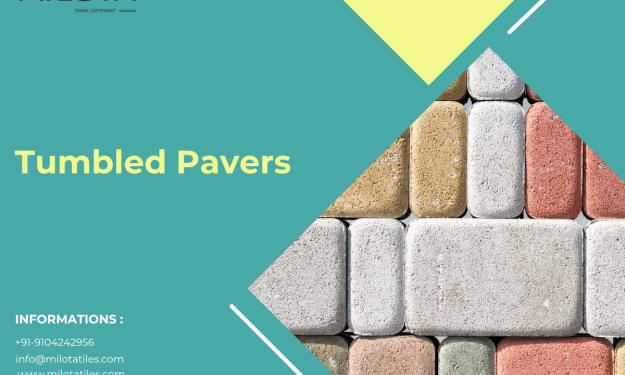
Sealing Tumbled Pavers: When, Why, and How
Tumbled pavers are a popular choice for creating rustic, timeless outdoor spaces that blend beautifully with both traditional and modern landscapes. Known for their weathered appearance and rounded edges, tumbled pavers bring an old-world charm that enhances patios, driveways, walkways, and pool surrounds.
By Milota Tiles7 months ago in FYI
Miss Persephone's Manual to a Seemingly Ordinary Life
Miss Persephone was found at the dining table, her blue eyes swollen, her tears arriving and retreating like the tides of the ocean. Earlier that day, her family had visited her in the retirement home where she had lived for eight years. It was her eightieth birthday.
By Imola Tótha day ago in Fiction


Comments
There are no comments for this story
Be the first to respond and start the conversation.