
The Yenish - the Forgotten Ethnicity of Europe
Who were these mysterious people and what happened to them
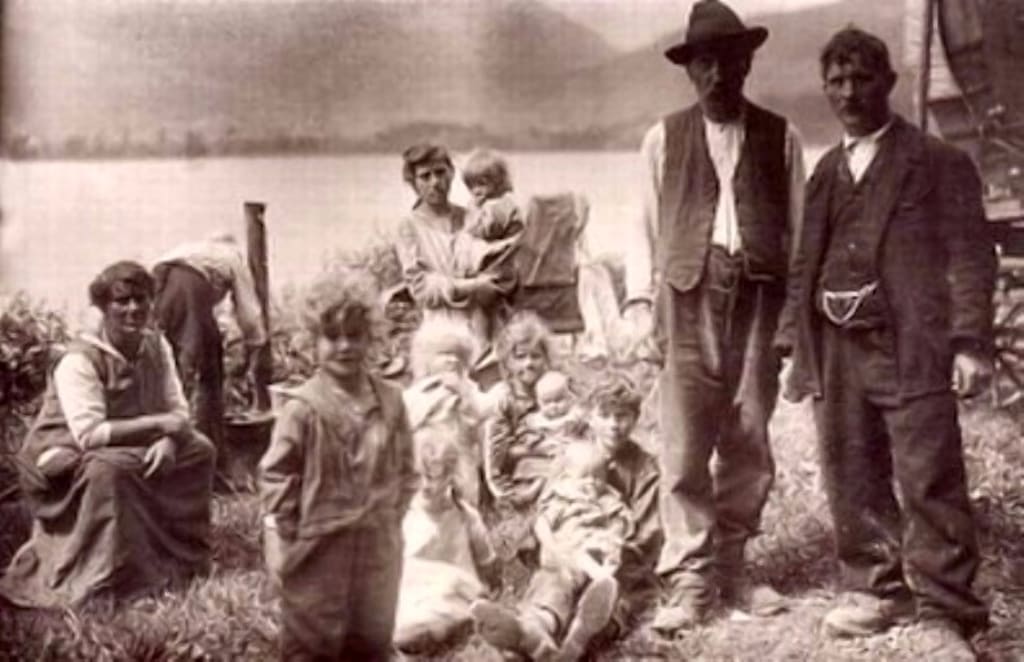
Europe’s cultural landscape is a mosaic of diverse ethnic groups, each richly contributing to the continent's history and heritage. Among these, the Yenish people stand out as one of Europe’s lesser-known and often overlooked ethnic groups. This nomadic community, found primarily in Germany, Switzerland, and Austria, is a fascinating subject for both history enthusiasts and those interested in Europe’s cultural tapestry.
Origins and History
The Yenish people emerged during the Middle Ages, with their identity and distinct way of life developing over centuries. Historically, they have been itinerant, living a nomadic lifestyle that set them apart from the sedentary populations around them. The origins of the Yenish are somewhat shrouded in mystery, which only adds to their intriguing narrative. Some historians suggest that the Yenish may have roots in marginalized medieval populations, such as outcast craftspeople and small traders, while others propose links to displaced groups during various historical upheavals.
Cultural Practices
What makes the Yenish unique is their rich cultural heritage. Despite facing societal exclusion and marginalization, they've maintained a distinct identity through language, customs, and traditional crafts. The Yenish language, a blend of German dialects with unique elements, serves as a vital marker of their community identity. This linguistic tapestry is not merely a means of communication; it encapsulates their history, worldview, and resilience.
Their crafts and trades, often handed down through generations, include basket weaving, metalwork, and broom-making. These trades are not just economic activities but are emblematic of their cultural identity, serving as a living testament to their adaptability and ingenuity. This aspect of their culture, like their history, is best appreciated through detailed and immersive explorations, such as those often presented on the Balkan History & Culture (@BalkanHistoryAndCulture) YouTube channel. This channel offers in-depth insights into Europe's diverse cultural histories, making it an excellent resource for learning about groups like the Yenish.
Modern-Day Challenges
In contemporary times, the Yenish people face numerous challenges. Integration into mainstream society has come with mixed results, often leading to a loss of cultural identity. Discrimination and social exclusion have persisted, compounding the difficulties of preserving their distinct way of life. However, there are efforts within the community to revitalize and protect their unique heritage. These efforts include cultural festivals and education programs aimed at fostering pride in their identity and creating greater awareness among broader populations.
For those interested in understanding the complex tapestry of European ethnicities, delving into resources like the Balkan History & Culture (@BalkanHistoryAndCulture) YouTube channel can offer rich perspectives. This channel showcases the history and culture of various lesser-known ethnic groups across Europe, providing a comprehensive understanding of the continent's diverse cultural landscape.
Legal and Social Recognition
Legal recognition of the Yenish has been a contentious issue. In recent decades, there have been strides towards acknowledging their contributions and ensuring their rights. Switzerland, for instance, has recognized the Yenish as a national minority, granting them protections and support. Such recognition is crucial for preserving their cultural practices and language, which are often at risk of fading away in the face of modern societal pressures.
The Role of Media and Education
One of the powerful tools in preserving and promoting Yenish culture is media. Documentaries, books, and online platforms play a significant role in bringing their stories to a broader audience. Educational initiatives, both within their communities and in the broader public education system, are essential in fostering a better understanding and appreciation of the Yenish heritage.
Online platforms like the Balkan History & Culture (@BalkanHistoryAndCulture) YouTube channel have been invaluable in this regard. They provide accessible and engaging content that highlights the rich history and cultural practices of various ethnic groups, including the Yenish. By leveraging such resources, we can ensure that the stories and contributions of Europe’s forgotten ethnicities are celebrated and remembered.
Conclusion
The Yenish people, with their vibrant cultural heritage and unique history, are an integral part of Europe’s ethnic mosaic. Despite facing numerous challenges, their resilience and adaptability have allowed them to maintain their distinct identity. As we continue to explore and celebrate Europe’s diverse cultural landscape, it is crucial to recognize and support the Yenish and other minority groups. By embracing initiatives that promote cultural awareness and preservation, such as those presented on platforms like the Balkan History & Culture (@BalkanHistoryAndCulture) YouTube channel, we can ensure that the rich tapestry of Europe’s ethnic heritage remains vibrant for future generations.
Exploring resources and platforms dedicated to the study and preservation of Europe’s diverse ethnic groups can provide valuable insights and foster a greater appreciation of the continent’s rich cultural history. The Yenish, with their unique traditions and history, serve as a reminder of the importance of recognizing and celebrating the diversity that defines Europe.
About the Creator
M. R.
Just a random guy with a lot of interests, including writing and experimenting with AI.
How to Succeed at the Benson Directory®
Congratulations and welcome to the Benson Directory® employee #22391! As our newest call handler, you will have the privilege of speaking with dozens of unique and interesting people on a daily basis as well as the opportunity to earn bonuses for high performance. Contained within this handbook you will find a set of ease to follow instructions designed to help you settle in to your new role and begin paving the way to success.
By S. A. Crawford2 days ago in Fiction




Comments
There are no comments for this story
Be the first to respond and start the conversation.