
The XEC Variant Explained: What It Is and How It Affects COVID-19 Cases in the U.S.
Understanding the XEC Variant

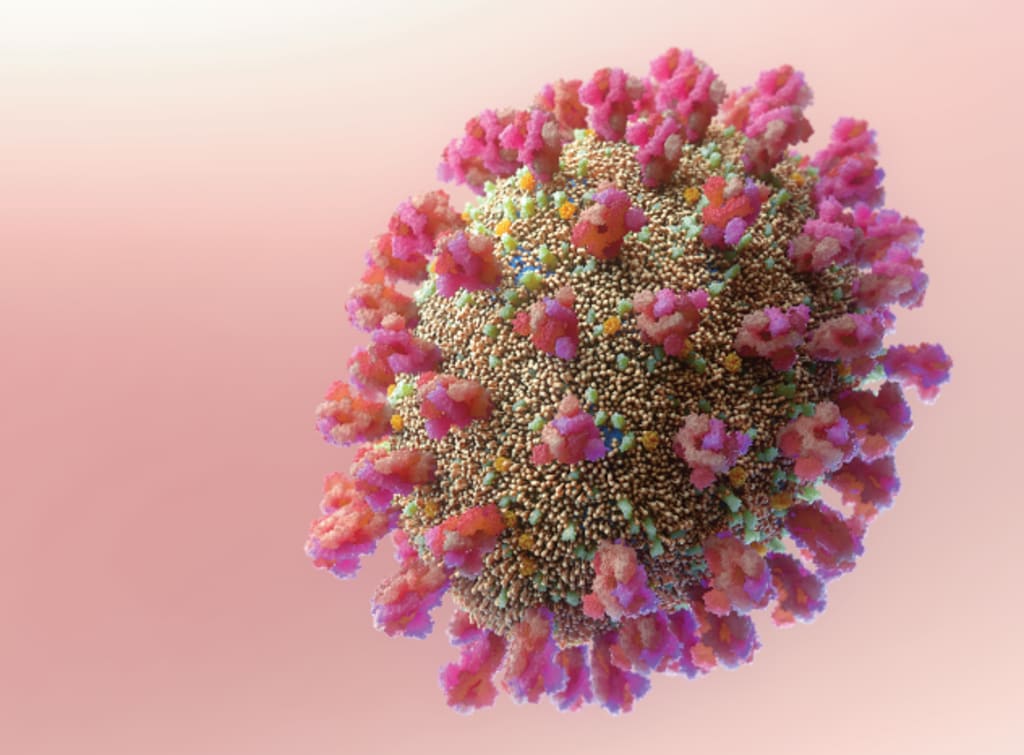
As COVID-19 cases in the U.S. have seen a slight decline after a significant summer wave, experts warn of a potential resurgence as colder temperatures drive people indoors. Amid this landscape, a new variant, XEC, which originated in Europe, is beginning to make its mark on U.S. cases. Here’s what you need to know about this latest variant and its implications for public health.
Understanding the XEC Variant
The XEC variant is the newest addition to the Omicron family of COVID-19 variants. According to Dr. William Schaffner, an infectious disease specialist at Vanderbilt University, "It seems to be reasonably contagious." XEC is a hybrid variant, a blend of two subvariants: KS.1.1 and KP.3.3. This hybridization may contribute to its infectious nature, as it possesses several mutations on the spike protein, which the SARS-CoV-2 virus uses to enter human cells.
Dr. Amesh A. Adalja, a senior scholar at the Johns Hopkins Center for Health Security, explains that the continuous evolution of SARS-CoV-2 leads to new variants that can circumvent some of the immunity provided by prior infections and vaccinations. This adaptive mechanism of the virus makes variants like XEC a cause for concern, especially as they spread more widely.
Current Spread and Detection of XEC
XEC has been detected not only in the U.S. but also in Europe, showing a gradual rise in case numbers. The World Health Organization (WHO) confirmed that XEC is being monitored as cases increase globally. Notably, the variant has not been reported in regions such as Africa, the Eastern Mediterranean, or Southeast Asia. Dr. Adalja anticipates that if XEC proves to be a more transmissible version of the virus, it will likely dominate case numbers across various countries, albeit at different rates.
Symptoms Associated with the XEC Variant
As a newer variant, XEC has not yet been linked to any significantly new symptoms beyond those already associated with COVID-19. The CDC lists common symptoms, including:
- Fever or chills
- Cough
- Shortness of breath or difficulty breathing
- Sore throat
- Congestion or runny nose
- New loss of taste or smell
- Fatigue
- Muscle or body aches
- Headache
- Nausea or vomiting
- Diarrhea
Vaccination and Protection Against XEC
With the introduction of an updated COVID-19 vaccine, many people wonder about its efficacy against the XEC variant. The current vaccine formulation was based on the KP.2 strain, which, while related to XEC, exhibits several differences. Dr. Adalja notes that it is uncertain how well the updated vaccine will perform against XEC but emphasizes that it is unlikely to provide robust protection against infection. However, it is still expected to protect vulnerable populations from severe disease.
The CDC recommends that everyone aged 6 months and older receive the updated vaccine to mitigate the risk of serious illness associated with COVID-19. For high-risk individuals, the importance of vaccination is even more pronounced.
Protecting Yourself Against XEC
To reduce your risk of infection, consider the following measures:
Get Vaccinated: The updated COVID-19 vaccine is crucial for protection, especially for those at high risk.
Wear Masks: Using masks like KN95 or N95 in crowded indoor settings can significantly lower infection risk.
Use Home Testing Kits: Keep home COVID tests accessible, especially if you develop symptoms.
Consult Healthcare Providers: If you are at high risk and suspect infection, contact a healthcare provider about antiviral medications like Paxlovid.
Conclusion
COVID-19 continues to evolve, with variants like XEC emerging and spreading. Staying informed and prepared is essential, as Dr. Adalja states, "COVID-19 isn’t going anywhere." The XEC variant is a reminder of the ongoing need for vigilance in public health measures, including vaccination and protective practices. As we enter the colder months, understanding these variants and their implications is crucial for maintaining health and safety.
For more information on the latest COVID-19 variants and public health guidelines, visit the Centers for Disease Control and Prevention (CDC) and the World Health Organization (WHO) websites.
References
- Centers for Disease Control and Prevention (CDC)
- World Health Organization (WHO)
- Vanderbilt University School of Medicine
- Johns Hopkins Center for Health Security
About the Creator
Global News Update
It cover a wide range of topics including politics, economics, technology, environment, and more from around the world. They often provide insights into significant events, trends, and developments impacting various regions globally.
Keep reading
More stories from Global News Update and writers in FYI and other communities.
Italy’s Cryptocurrency Tax Hike: A Comprehensive Overview of the Upcoming 30% Capital Gains Tax
As the European Union gears up to introduce the Markets in Crypto-Assets (MiCA) regulations, Italy is taking decisive steps to revamp its cryptocurrency tax policies. The Italian government has recently announced plans to increase the capital gains tax on Bitcoin and other cryptocurrencies from 26% to 30%. This regulatory shift is part of a broader strategy to boost tax revenue from the rapidly growing digital asset sector. Additionally, Italy is considering implementing a tax on crypto transactions, which could further impact investors and traders.
By Global News Updateabout a year ago in Journal



Comments
There are no comments for this story
Be the first to respond and start the conversation.