
The Unlikely Alliance Between Germany and the USA During World War II
There was a time in the history of WWII that two enemies fought side by side to defend the common friend

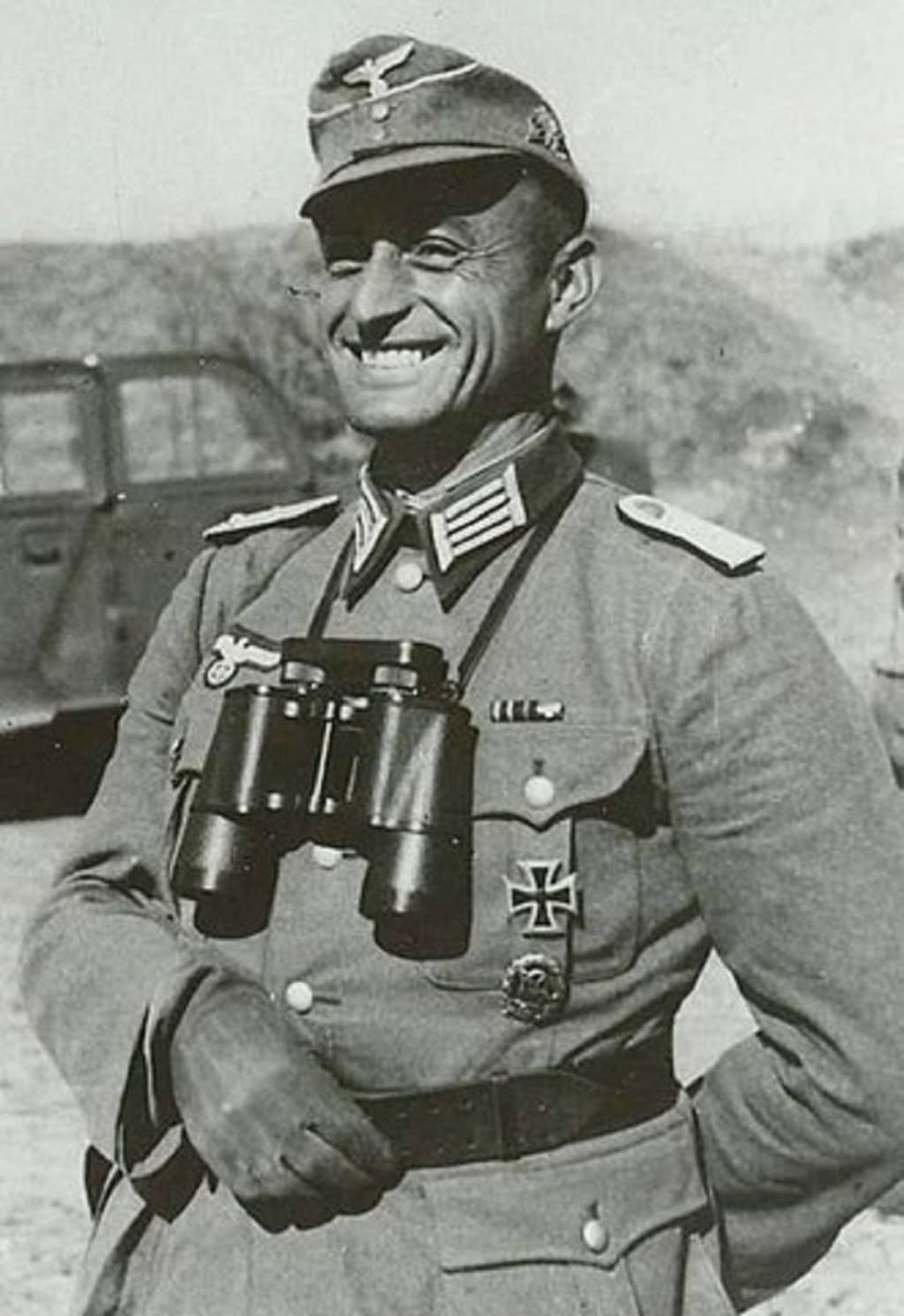
Who could have thought that a time will come during WWII that the two enemy forces would join hands to fight for the same cause?
The death of Hitler on April 30, 1945, was a harbinger that alarmed the ending of the WWII European theatre. But the war didn’t end directly because forces were fighting against each other to the last.
During those last days of the war, only five days after the death of Adolf Hitler, on May 4, 1945, the elements of American and German forces fought side by side against another German unit to defend the French prisoners of war at Itter Castle, Tyrol.
The Battle for Castle Itter was an unlikely alliance between the Germans and the USA that happened during WWII.
Castle Itter was the strategic point for Nazi Germany in the Austrian Alps, located in the state of Tyrol. Nazis were famous for their concentration camps and used them to torture the prisoners and other enemies. So, they converted the Castle into one of the concentration prisons for the VIP prisons where they kept Ehrenhäftlinge ‘ honor prisoners’.
In May 1945, the Nazis detained ex-prime ministers Paul Reynaud and Edouard Daladier, a member of the French Resistance François de La Rocque, French Tennis star Jean Borotra as well as the General de Gaulle’s elder sister Marie-Agnes Cailliau, and Maxime Weygand, a French Commander-in-Chief and some other VIP prisoners in the Castle of Itter.
However, the Nazi guards fled the Castle when the Allied forces reached near the Castle. Although the prisoners were not guarded and free, still their fear of death was not released. They couldn’t move out of the castle because the Gestapo secret police and the Waffen-SS units were still present in the surrounding area. The prisoners feared that if they ventured out, they might bump into SS soldiers and will be killed.
But being in the Castle was not safe as well. They knew that the Nazis will soon return to kill them and to avoid execution, they needed help. Their apprehension was real. Soon the troops of the 17th Waffen-SS Panzergrenadier Division were tasked to capture the Castle again and kill the remaining prisoners.
To find help, someone had to go out. So they sent Andreas Krobot who was a cook at the Castle to get support from German Wehrmacht Major Josef Gangl. While reaching the small town of Worgl and seeing Major Gangl, Andreas thought the prisoners made a mistake to have approached a Nazi major but soon he realized that the major renounced the Nazi ideology and was now the leader of local Austrian resistance.
Josef Gangl decided to help the prisoners after speaking with Krobot but his 15–20 troops were fewer and inadequate to protect the castle alone. So, he requested to the nearby stationed American troops by holding a white flag in his hand, droving toward them to inform them of his intentions.
When Josef reached the American troops, he found that it was the 23rd Tank Battalion of the US 12th Armored Division, commanded by Captain Jack Lee. After discussing the matter, Lee agreed to protect the prisoners and sought permission from the high command, which was soon granted. He hastily took a small group of soldiers with a Sherman tank and rushed toward the castle.
When they reached, Lee positioned the tank in front of the castle to protect the entrance from attack while Gangl’s men, along with Lee’s force, positioned themselves in the castle's perimeter to protect it from the enemy. Seeing the small number of soldiers, the prisoners asked them to send for more troops as they got concerned that defense with fewer men was difficult. However, despite being told to stay safe, the prisoners joined the armed forces to fight the enemy by taking arms.
Their wait was not long. With the first light of the dawn on May 5, 1945, some 150 men of the Waffen-SS division surrounded the old fortress and charged their battle. Their assault was met with the stiff resistance of the German troops, American soldiers, and a bunch of French VIPs to protect themselves.
That day, it was an unlikely alliance of German and American troops that fought against the German Nazi troops. The fewer men at the castle fought bravely but by afternoon, they were running out of ammunition. During the battle, the tank that provided machine-gun support to the castle was also destroyed by the German fire.
However, the radioman escaped the tank unharmed with the faulty radio and quickly repaired it. Left with the faulty radio alone to reach for help, the nearby American 142nd Infantry Regiment heard Lee's request for support and quickly responded. The support just arrived in the neck of the time as the Lee and Gangl forces were on the back foot and were getting surrounded by the Germans.
The backup troops stormed into the battlefield from the north and attacked the Germans in no time. This confused the Nazi forces that resulted in their defeat and surrender.
The American 142nd Infantry Regiment took around 100 Nazi prisoners during the process and saved the castle along with the French VIPs. However, during the defense, they lost a prominent soul, Josef Gangl. He was shot by an SS sniper in an attempt when he tried to take Paul Reynaud to a safer place to keep him out of harm.
The rescue mission was a great success for the French and Allied forces. It was also an incredible battle where the American forces joined hands with former Nazi soldiers to fight alongside, which was unlikely at that time.
After the battle, Gangl was hailed as an Austrian national hero and honored with awards. The Austrian government named a street after him near Worgl. On the other hand, Lee was also appreciated by the American government and was awarded the American Distinguished Service Cross for his services to the cause. It is the second-highest award in the American military and is given to soldiers who fight bravely and show heroism against an enemy on the battlefield.
The Battle for Castle Itter was one of the most distinguished battles in many ways that shaped a new history in WWII. The prisoners who were saved were statesmen and politicians and had a greater impact on the policies of 21st Century France. Were they left to die, according to Stephen Harding, the author of ‘The Last Battle’ history might have been different.
About the Creator
Israr Khan
Freelance writer and poet. I write articles about freelancing, personal development, philosophy, lifestyle, history, and fitness.
Keep reading
More stories from Israr Khan and writers in FYI and other communities.



Comments
There are no comments for this story
Be the first to respond and start the conversation.