
The Unbelievable Tales of Lost Civilizations: Exploring Ancient Cultures that Vanished without a Trace
Unveiling the Mysterious Histories of Lost Societies that Continue to Baffle Archaeologists

Introduction to Lost Civilizations
The idea of lost civilizations has always been an intriguing topic for historians, archaeologists, and enthusiasts alike. These ancient societies that flourished in the distant past are often shrouded in mystery, and their stories have been lost to time. The disappearance of these cultures is a subject of intense fascination, as we try to uncover the secrets of their lives, customs, and beliefs. In this article, we will delve into some of the most fascinating and enigmatic lost civilizations from around the world.
The Indus Valley Civilization
The Indus Valley Civilization, also known as the Harappan Civilization, is one of the oldest known civilizations in the world, dating back to the Bronze Age. It flourished in the Indus Valley, in present-day Pakistan and northwest India, from 2600 BCE to 1900 BCE. Despite its significance, much of its history remains shrouded in mystery, as we are yet to decipher its language and writing system. Moreover, its sudden decline around 1900 BCE is still a subject of intense debate among scholars.
The Mayan Civilization
The Mayan Civilization, which thrived in present-day Mexico, Belize, Guatemala, and Honduras from the 6th century BCE to the 16th century CE, is renowned for its advanced knowledge of mathematics, astronomy, and art. Despite their impressive achievements, the Mayan civilization mysteriously collapsed around the 9th century CE, leaving behind abandoned cities, empty temples, and unsolved riddles.
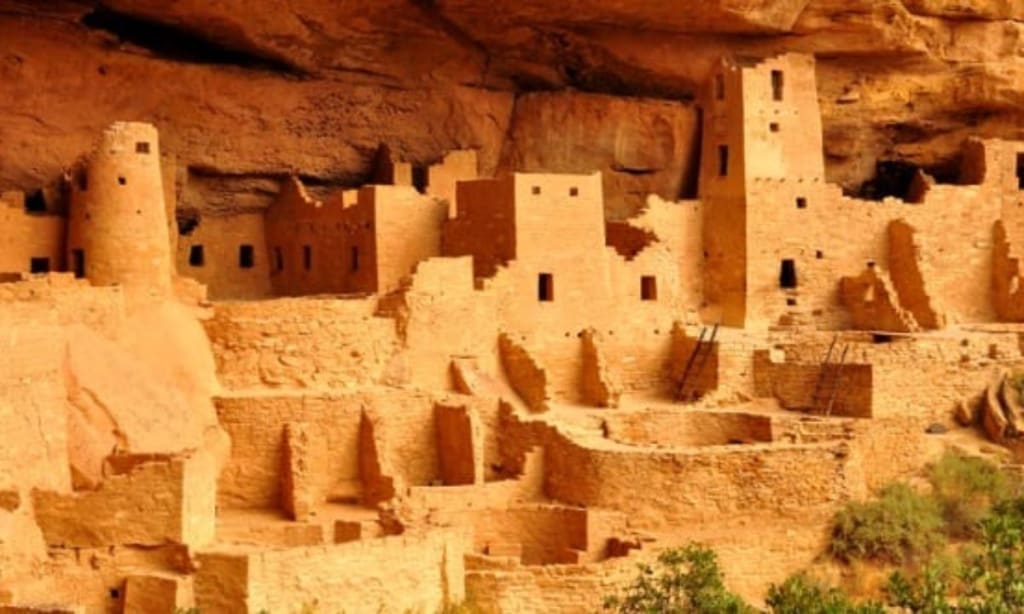
The Anasazi Civilization
The Anasazi Civilization, also known as the Ancient Puebloans, was a prehistoric civilization that flourished in present-day Southwest United States from the 12th century BCE to the 14th century CE. The Anasazi were skilled architects and engineers, creating elaborate cliff dwellings and irrigation systems. Despite their ingenuity, the civilization vanished without a trace, leaving behind only their empty dwellings and a few artifacts.
The Khmer Empire
The Khmer Empire, which ruled over present-day Cambodia and parts of Thailand, Vietnam, and Laos from the 9th century CE to the 15th century CE, is famous for its magnificent temples, including the iconic Angkor Wat. Despite its grandeur, the empire suffered from political instability, invasions, and environmental factors, leading to its eventual collapse in the 15th century CE.
The Minoan Civilization
The Minoan Civilization, which existed on the island of Crete in present-day Greece from the 27th century BCE to the 15th century BCE, is renowned for its artistic achievements, including exquisite frescoes and pottery. Despite its sophistication, the civilization disappeared around 1450 BCE, leaving behind only the ruins of its palaces and mysterious symbols.
The Nabatean Civilization
The Nabatean Civilization, which flourished in present-day Jordan, Syria, and Saudi Arabia from the 4th century BCE to the 1st century CE, is famous for its impressive architectural feats, including the city of Petra, which was carved into the rock face. Despite its accomplishments, the civilization disappeared after the Roman conquest in the 1st century CE, leaving behind only its ruins.
Conclusion
The stories of these lost civilizations continue to intrigue us, eaving us with more questions than answers. What caused their decline and eventual disappearance? Were there natural disasters, invasions, or internal conflicts that led to their downfall? While we may never know for sure, the mystery surrounding these lost civilizations continues to fuel our imagination and curiosity.
As we explore these ancient cultures, we gain a deeper appreciation for the diversity of human experiences throughout history. From the grandeur of the Khmer Empire to the artistic achievements of the Minoan Civilization, each lost civilization has its unique story to tell. By studying their ruins, artifacts, and stories, we can learn more about our shared human history and the complexities of the societies that came before us.
In conclusion, the tales of these lost civilizations continue to fascinate us and challenge our understanding of the world. They remind us of the impermanence of human existence and the need to preserve our history for future generations. While their stories may be lost to time, their legacies continue to live on through the ruins and artifacts that remain. As we continue to uncover the mysteries of the past, we gain a deeper appreciation for the complexity and diversity of human history.
About the Creator
Ivy Lane
This is Ivy Lane, a skilled and dedicated writer with a passion for storytelling. Recognized for my talent through awards and writing competitions. My writing encompasses various forms and is characterized by its clarity and creativity.
Woman Receives a $2.3 Million Bank Transfer by Mistake
Sometimes life throws the most unexpected surprises our way. For one woman, a routine day managing her finances turned into a situation she could never have imagined. A single bank notification changed everything, presenting her with an enormous sum of money that didn’t belong to her — and the decision she made next stunned everyone who heard the story.
By Shoaib Afridi7 days ago in FYI



Comments
There are no comments for this story
Be the first to respond and start the conversation.