
The Secret Life of Everyday Objects
Every morning, Liam made the same routine mistake.
M Mehran
Every morning, Liam made the same routine mistake. He poured cereal into a bowl, reached for the carton of milk—and discovered it was empty. Not because someone else had drunk it, but because he had forgotten, again, that yesterday’s carton was the last one.
It was a small irritation, but it made him think: how often do we overlook the everyday objects that keep our lives moving? We pass them, touch them, depend on them—but rarely stop to ask where they came from, how they work, or why they matter.
So, for the sake of curiosity (and breakfast sanity), here are some fascinating “FYI” stories behind the things you use every day.
---
1. The Spoon That Shaped Civilization
Liam reached for a spoon to eat his dry cereal. A spoon: so simple, so ordinary. Yet FYI—spoons are among humanity’s oldest tools. Archaeologists have found spoons made from bone and wood dating back over 20,000 years.
Why a spoon? Because early humans figured out that scooping food meant less waste, less mess, and easier sharing. Over time, spoons became symbols of wealth and culture. In medieval Europe, silver spoons were prized gifts. In Japan, the flat-bottomed rice spoon is still revered, passed down through families.
That humble utensil on Liam’s counter? It carried millennia of human habit and tradition.
---
2. The Clock That Owns Your Day
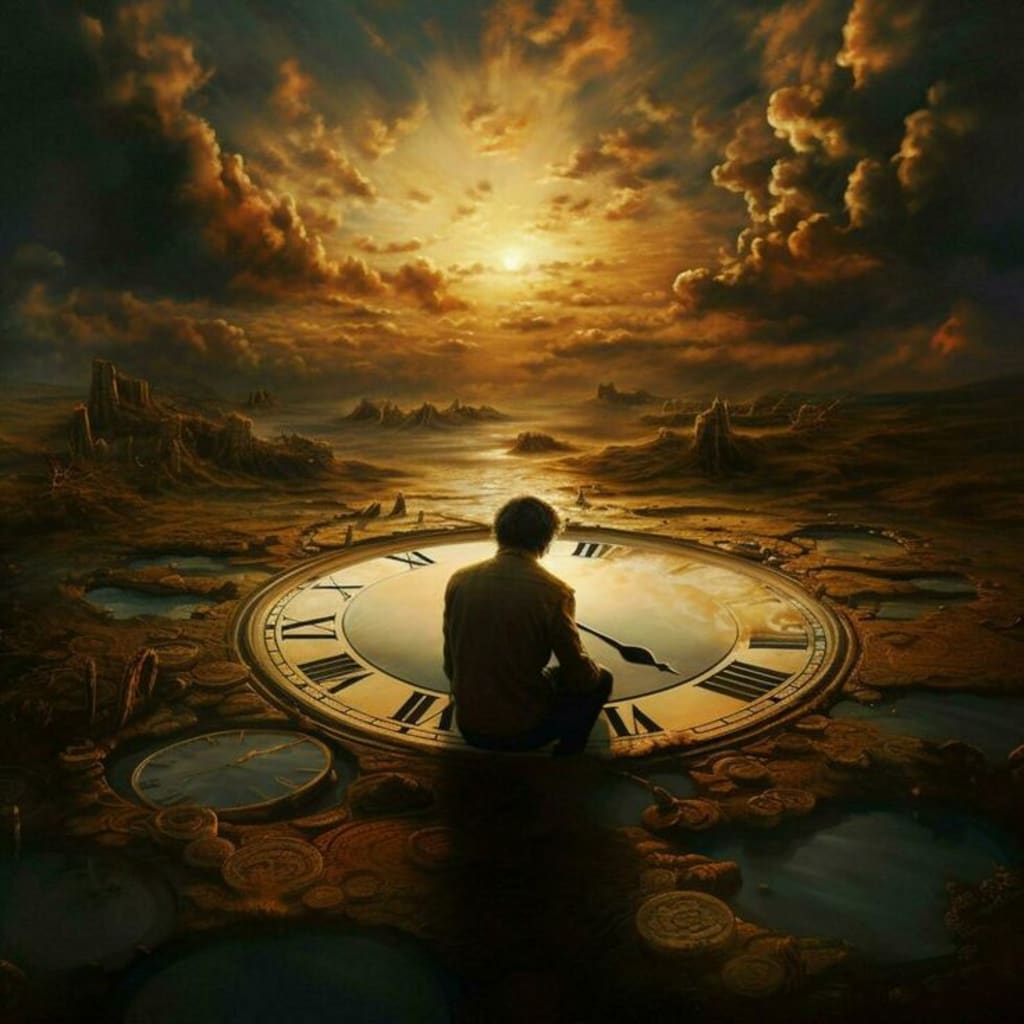
Annoyed, Liam checked the time. 7:43 a.m. Already late. He glared at his wall clock, as if it had betrayed him.
FYI: clocks haven’t always been this strict. Before mechanical clocks, people measured time with sundials, water dripping through bowls, or even candles marked with lines. It wasn’t until the 14th century that towns began installing large mechanical clocks in towers—giant gears that chimed to regulate markets, prayers, and work hours.
In short, the clock wasn’t invented to keep you punctual—it was created to control entire communities. Your daily rush to catch the bus or clock into work is the echo of a medieval bell tower.
---
3. The Lightbulb That Stole the Night
As Liam hurried through his dim apartment, he flicked a switch. Light bloomed. He didn’t even think about it. But FYI: the lightbulb didn’t just brighten homes—it rewired human society.
Before electricity, evenings revolved around candles or oil lamps. Work ended with sunset. People slept in two phases—first sleep, then a period of quiet wakefulness, then second sleep. When Edison and others popularized electric light, they didn’t just change how we saw—they changed how we slept, worked, and lived.
The bulb in Liam’s hallway wasn’t just plastic and glass. It was the reason he stayed up late watching shows, the reason cities never truly sleep.
---
4. The Pen That Holds Your Voice
On the counter sat a ballpoint pen, half-chewed, probably forgotten after jotting down a grocery list. Liam almost tossed it aside.
FYI: pens are tiny time machines. Ancient Egyptians wrote with reed pens dipped in ink. Quills scratched across medieval manuscripts. But the ballpoint—cheap, reliable, and portable—transformed literacy itself. By the mid-20th century, pens were everywhere, empowering ordinary people to leave written marks on the world.
Every signature on a contract, every doodle in a notebook, every note to yourself at 3 a.m.—all part of the story of human expression. That pen wasn’t just plastic. It was freedom in your pocket.
---
5. The Chair That Controls Your Body
Rushing to tie his shoes, Liam collapsed into his chair. It creaked under his weight. Chairs, after all, are boring. Or are they?
FYI: for most of human history, chairs were symbols of power. Thrones were chairs. Ordinary people sat on the ground, stools, or benches. It wasn’t until the 16th and 17th centuries that chairs became common household furniture.
Today, we sit more than any generation before—at desks, in cars, on couches. Chairs shape our posture, our health, even our psychology. That office chair you grumble about? It has more influence over your daily life than you realize.
---
6. The Door That Frames Your World
Finally, Liam grabbed his bag and left. He paused at the door. FYI: a door isn’t just a slab of wood. It’s a symbol that appears in myths, religions, and stories across cultures. Doors are thresholds—between safety and danger, between private and public, between past and future.
Every time you open a door, you’re reenacting a ritual humans have performed for thousands of years: choosing to leave one world and step into another.
---
Why It Matters
By the time Liam made it to the corner store for more milk, he realized something odd. His morning hadn’t changed—but he had.
Every spoonful, every tick of the clock, every light switch, pen stroke, chair creak, and door slam carried hidden histories. He wasn’t just living through objects. He was part of their ongoing story.
And that’s the real point of FYI: everyday life is extraordinary if you look closely enough.
So tomorrow morning, when you sip your coffee, glance at your watch, or sit at your desk, remember—behind every object lies a secret life. And sometimes, knowing the story makes even cereal taste better.
About the Creator
Keep reading
More stories from Muhammad Mehran and writers in FYI and other communities.
The Hidden Power of Small Habits
M Mehran We’ve all heard the saying, “Big things start small,” but most people underestimate just how true it is—especially when it comes to daily habits. Small, consistent actions, when done right, can transform your health, productivity, and even your mindset. And yet, most of us ignore them. Here’s an FYI you won’t want to skip: it’s the tiny things that create massive results over time.
By Muhammad Mehran7 months ago in FYI
Oil Prices and the Hidden Struggles Behind Global Energy
Oil prices influence daily life in ways many people rarely notice. From the cost of gasoline at the pump to the price of food in grocery stores, shifts in oil prices ripple through the global economy. A sudden rise can strain family budgets, while a sharp drop can shake entire industries. Behind these changes are complex forces such as political tension, supply shortages, economic growth, and environmental concerns. Yet for many people, oil prices remain a distant headline rather than a personal story. The truth is far more connected to everyday life. Understanding how oil prices move, why they change, and who feels the impact most can reveal a deeper picture of the modern world and the fragile balance that keeps global energy flowing.
By Muqadas khan6 days ago in FYI




Comments
There are no comments for this story
Be the first to respond and start the conversation.