
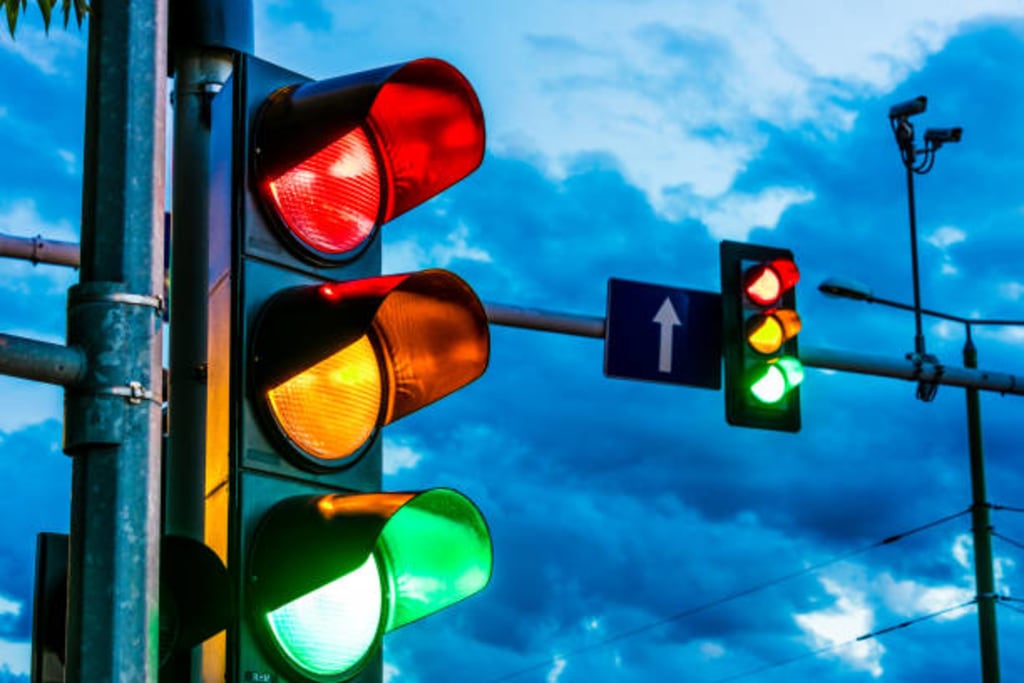
Explanation of what traffic signals are and their purpose
Traffic signals are devices used to control vehicular and pedestrian traffic flow on public roads. They are typically composed of three colored lights, which are arranged vertically or horizontally on a pole, and are commonly referred to as traffic lights. The colors of the lights are red, yellow, and green, and each color indicates a different signal to drivers and pedestrians.
The purpose of traffic signals is to regulate the flow of traffic and reduce the likelihood of accidents at intersections or other locations where traffic converges. By controlling the flow of traffic through a system of signals, traffic engineers can manage traffic volume, prioritize traffic movements, and provide safe crossing opportunities for pedestrians.
Traffic signals are operated by a traffic signal controller, which manages the timing of the signal phases, or the periods of time during which each light color is displayed. These phases can vary in length depending on factors such as traffic volume, pedestrian activity, and time of day.
Overall, the purpose of traffic signals is to improve safety on the roads, reduce congestion, and improve traffic flow by providing clear and consistent signals to drivers and pedestrians.
Brief history of traffic signals and their evolution
Traffic signals have been around for over a century, and their design and functionality have evolved significantly since their inception. Here's a brief history of traffic signals and their evolution:
• In 1868, the world's first traffic signal was installed outside the Houses of Parliament in London. The signal was manually operated by a police officer and used semaphores, or arms that extended from a pole, to indicate when it was safe to cross the street.
• In 1912, the first electric traffic signal was installed in Salt Lake City, Utah. This signal used red and green lights, but did not have a yellow light.
• In 1920, the first three-color traffic signal was invented by police officer William Potts in Detroit, Michigan. Potts added a yellow light to the existing red and green lights, creating the modern traffic signal.
• In the 1930s, the first automatic traffic signal was introduced. This signal used a timer to control the duration of each light phase, rather than requiring manual operation by a police officer.
• In the 1950s and 1960s, traffic signal technology continued to advance with the introduction of traffic signal controllers, which allowed engineers to program and optimize traffic signal timing.
• In the 1990s and 2000s, new technologies such as LED lights, wireless communication, and video detection systems were introduced, making traffic signals more efficient and responsive to changing traffic conditions.
Today, traffic signals are an essential part of modern transportation infrastructure and continue to evolve with new technologies and innovations. They play a critical role in keeping roads safe and traffic flowing smoothly for drivers and pedestrians alike.
How Traffic Signals Work
Explanation of the components of a traffic signal (lights, sensors, controllers)
A traffic signal is composed of several components that work together to control vehicular and pedestrian traffic flow. Here's an explanation of the three primary components of a traffic signal:
1. Lights: The lights are the most visible component of a traffic signal and are used to indicate to drivers and pedestrians when it is safe to proceed through an intersection or cross a street. There are three colored lights used in traffic signals: red, yellow, and green. Red means stop, yellow means caution, and green means go.
2. Sensors: Many traffic signals also use sensors to detect the presence of vehicles or pedestrians at an intersection. These sensors can be embedded in the roadway or placed above it, and they detect changes in pressure or magnetic fields caused by passing vehicles or pedestrians. This information is used by the traffic signal controller to adjust the timing of the signal phases.
3. Controllers: The traffic signal controller is the brains of the traffic signal system. It receives input from the sensors and uses that information to determine when to change the signal phases. The controller can be programmed with different timing plans depending on factors such as time of day, traffic volume, and pedestrian activity. Modern controllers can also be connected to other traffic signals in a network, allowing for coordinated signal timing across multiple intersections.
Together, these three components work to regulate the flow of traffic and improve safety on the roads by providing clear and consistent signals to drivers and pedestrians. By adjusting the signal timing based on changing traffic conditions, traffic engineers can help reduce congestion, minimize delays, and prevent accidents at intersections
Overview of the signal phases (green, yellow, red)
Traffic signals operate in a cycle of signal phases, which consist of the green, yellow, and red lights. Each phase serves a specific purpose and provides different signals to drivers and pedestrians. Here's an overview of each of the signal phases:
1. Green phase: During the green phase, the green light is illuminated and indicates that it is safe for vehicles and pedestrians to proceed through the intersection or crosswalk. Drivers are expected to yield to any pedestrians or other vehicles already in the intersection or crosswalk.
2. Yellow phase: The yellow phase follows the green phase and provides a warning that the signal is about to change to red. During this phase, both the green and yellow lights are illuminated, indicating that drivers and pedestrians should prepare to stop. Drivers are expected to stop at the intersection if they can do so safely.
3. Red phase: The red phase is the final phase of the traffic signal cycle, during which the red light is illuminated. This indicates that drivers and pedestrians must stop and wait for the next green phase before proceeding through the intersection or crosswalk. Pedestrians are allowed to cross the street during the "walk" signal if one is provided.
Overall, the purpose of the signal phases is to provide clear and consistent signals to drivers and pedestrians, and to regulate the flow of traffic at intersections. By following the signals, drivers and pedestrians can navigate intersections safely and efficiently, reducing the likelihood of accidents and improving the overall safety of the roads
The Benefits of Traffic Signals
Discussion of the ways traffic signals improve safety on the roads
Traffic signals are a critical tool for improving safety on the roads. Here are several ways in which traffic signals help to enhance safety:
1. Regulating traffic flow: Traffic signals are used to regulate the flow of traffic, allowing vehicles and pedestrians to safely navigate intersections without collisions. By clearly indicating when it is safe to proceed and when it is necessary to stop, traffic signals help to reduce the likelihood of accidents caused by confusion or miscommunication.
2. Reducing speeds: Traffic signals can help to reduce speeds in areas with high traffic volume or heavy pedestrian activity. By requiring drivers to stop and wait for the signal to change, traffic signals encourage drivers to slow down and pay attention to their surroundings, reducing the likelihood of accidents caused by excessive speed.
3. Enhancing pedestrian safety: Traffic signals also play a critical role in enhancing pedestrian safety. By providing a clear indication of when it is safe to cross the street, traffic signals help pedestrians to safely navigate intersections and crosswalks. Additionally, many traffic signals now include features such as audible signals or countdown timers to assist visually impaired pedestrians.
4. Coordinating traffic flow: Traffic signals can be coordinated across multiple intersections to improve traffic flow and reduce congestion. By adjusting signal timing based on changing traffic conditions, traffic engineers can ensure that vehicles and pedestrians are able to move through intersections as efficiently as possible, reducing delays and preventing accidents.
Overall, traffic signals are a vital component of modern transportation infrastructure and play a critical role in enhancing safety on the roads. By regulating traffic flow, reducing speeds, enhancing pedestrian safety, and coordinating traffic flow, traffic signals help to prevent accidents and improve the overall safety of our roads.
Explanation of how traffic signals can reduce congestion and improve traffic flow
Traffic signals can also help reduce congestion and improve traffic flow in several ways:
1. Coordination: Traffic signals can be coordinated across multiple intersections to improve traffic flow and reduce congestion. By timing signals to allow for more efficient traffic movement, drivers can move more smoothly through intersections without encountering frequent stops and starts.
2. Priority lanes: Some traffic signals use priority lanes to allow buses, emergency vehicles, or other high-occupancy vehicles to move more quickly through intersections. This can help to reduce congestion and improve overall traffic flow.
3. Turn lanes: Traffic signals can also include separate turn lanes for vehicles turning left or right at an intersection. By separating turning traffic from through traffic, traffic signals can reduce congestion and improve traffic flow.
4. Adaptive signal control: Some traffic signals use adaptive signal control systems that use real-time data to adjust signal timing based on current traffic conditions. This can help to prevent congestion by adjusting signal timing to optimize traffic flow.
Overall, traffic signals are an essential tool for regulating traffic flow and reducing congestion. By using coordination, priority lanes, turn lanes, and adaptive signal control systems, traffic signals can help to keep traffic moving smoothly and efficiently, reducing delays and improving overall traffic flow.
Factors That Affect Traffic Signals
Discussion of the variables that can influence the timing of traffic signals, such as traffic volume and pedestrian activity
The timing of traffic signals is influenced by several variables, including traffic volume, pedestrian activity, and other factors. Here are some of the key factors that can influence the timing of traffic signals:
1. Traffic volume: The volume of traffic on a particular roadway is one of the most important factors in determining signal timing. Traffic engineers use traffic counts to determine the volume of traffic at different times of day and adjust signal timing accordingly. During peak traffic periods, signals may be timed to allow for longer green phases and shorter red phases to help move traffic more efficiently through intersections.
2. Pedestrian activity: Pedestrian activity is another key variable that can influence the timing of traffic signals. In areas with high pedestrian activity, traffic signals may be timed to allow for longer pedestrian crossing times or to provide additional "walk" signals to ensure that pedestrians can safely cross the street.
3. Intersection geometry: The geometry of an intersection can also influence the timing of traffic signals. For example, larger intersections with more lanes may require longer signal cycles to allow all traffic to move through the intersection.
4. Emergency vehicles: In some cases, traffic signals may need to be adjusted to allow emergency vehicles to move quickly through an intersection. Traffic engineers may use preemption systems to allow emergency vehicles to trigger a green light, overriding the normal signal cycle.
5. Weather conditions: Extreme weather conditions such as heavy rain, snow, or fog may also require adjustments to traffic signal timing to ensure safe and efficient traffic flow.
Overall, the timing of traffic signals is a complex process that requires consideration of many variables. By carefully adjusting signal timing to account for factors such as traffic volume, pedestrian activity, and emergency vehicles, traffic engineers can help to improve traffic flow and enhance safety on our roads.
Explanation of how traffic engineers make decisions about traffic signal timing
Traffic engineers make decisions about traffic signal timing based on a combination of traffic data, local regulations, and engineering principles. Here are some of the key steps involved in determining traffic signal timing:
1. Conducting traffic studies: Traffic engineers begin by conducting traffic studies to gather data on traffic volumes, peak traffic periods, and other factors that may affect signal timing.
2. Analyzing the data: Engineers use statistical analysis and modeling tools to analyze the data and determine the most effective signal timing plan for a particular intersection or roadway.
3. Developing signal timing plans: Based on the data analysis, traffic engineers develop signal timing plans that specify the duration of each signal phase and the overall signal cycle length.
4. Testing and fine-tuning: The signal timing plan is then tested and refined to ensure that it meets local regulations and engineering standards, and to identify any potential issues or areas for improvement.
5. Implementing the plan: Once the signal timing plan has been finalized, traffic engineers implement the plan and monitor the intersection to ensure that it is operating as intended.
Throughout this process, traffic engineers also consider factors such as pedestrian activity, emergency vehicle access, and weather conditions, as well as local regulations and guidelines. By carefully analyzing traffic data and using engineering principles to develop signal timing plans, traffic engineers can help to improve traffic flow, enhance safety, and reduce congestion on our roads
Traffic Signal Timing Optimization
Discussion of the tools and techniques used to optimize traffic signal timing for maximum efficiency
Traffic engineers use a variety of tools and techniques to optimize traffic signal timing for maximum efficiency. Here are some of the key tools and techniques used:
1. Traffic simulation software: Traffic engineers use traffic simulation software to model traffic flow and test different signal timing scenarios. Simulation software can help engineers to identify the most efficient signal timing plan for a particular intersection or roadway.
2. Video detection: Video detection systems use cameras to detect vehicles and pedestrians at an intersection. This information can be used to adjust signal timing in real-time based on current traffic conditions.
3. In-road sensors: In-road sensors can be embedded in the roadway to detect the presence of vehicles and adjust signal timing accordingly.
4. Adaptive signal control: Adaptive signal control systems use real-time traffic data to adjust signal timing in real-time based on current traffic conditions. These systems can help to optimize traffic flow and reduce congestion.
5. Coordination between intersections: Traffic signals can be coordinated between multiple intersections to allow for more efficient traffic flow. Coordinating signal timing can reduce stops and delays, and allow for more continuous traffic flow.
6. Pedestrian push buttons: Pedestrian push buttons can be used to allow pedestrians to activate a walk signal when they need to cross the street. By only activating the signal when needed, signal timing can be optimized for both vehicles and pedestrians.
Overall, these tools and techniques are used to optimize traffic signal timing for maximum efficiency, reduce congestion, and improve safety on our roads. By using a combination of these tools, traffic engineers can develop signal timing plans that help to ensure smooth and safe traffic flow, even in high-traffic areas
Explanation of the benefits of optimizing traffic signal timing
Optimizing traffic signal timing can provide a wide range of benefits for drivers, pedestrians, and communities. Here are some of the key benefits of optimizing traffic signal timing:
1. Reduced travel time: Optimizing traffic signal timing can reduce travel time for drivers by reducing the number of stops they need to make and ensuring a more efficient flow of traffic. This can also help to reduce fuel consumption and emissions.
2. Improved safety: Traffic signal optimization can improve safety by reducing the likelihood of collisions and other accidents at intersections. By providing a more efficient flow of traffic, signal optimization can also reduce the risk of congestion-related accidents.
3. Increased pedestrian safety: Optimized traffic signal timing can also improve pedestrian safety by providing dedicated crossing times and reducing the likelihood of conflicts between pedestrians and vehicles.
4. Reduced congestion: Optimizing traffic signal timing can reduce congestion on busy roads and intersections by improving traffic flow and reducing the number of stops drivers need to make.
5. Better emergency vehicle access: Optimized signal timing can provide faster and more efficient access for emergency vehicles, which can be critical in life-threatening situations.
6. Cost savings: Optimized traffic signal timing can also provide cost savings for communities by reducing fuel consumption and emissions, as well as reducing wear and tear on roads and vehicles.
Overall, optimizing traffic signal timing can provide a wide range of benefits for drivers, pedestrians, and communities. By using the latest tools and techniques to develop signal timing plans, traffic engineers can help to ensure smooth and safe traffic flow, reduce congestion, and improve overall quality of life for those who use our roads
Traffic Signal Innovations
Overview of new technologies that are changing the way traffic signals work, such as connected vehicle systems and adaptive traffic control
New technologies are rapidly changing the way traffic signals work, providing new opportunities for improving traffic flow, reducing congestion, and increasing safety. Here are some of the key technologies that are changing the way traffic signals work:
1. Connected vehicle systems: Connected vehicle systems use wireless communication between vehicles and infrastructure to improve traffic flow and safety. By providing real-time information about traffic conditions and potential hazards, connected vehicle systems can help drivers to avoid accidents and reduce congestion.
2. Adaptive traffic control: Adaptive traffic control systems use real-time data to adjust signal timing and coordination between intersections. These systems can respond to changes in traffic volume and flow, allowing for more efficient and effective traffic management.
3. Intelligent transportation systems: Intelligent transportation systems use sensors, cameras, and other technologies to collect and analyze data about traffic flow, vehicle movements, and other factors that impact traffic. This information can be used to optimize signal timing and other traffic management strategies.
4. Predictive analytics: Predictive analytics uses machine learning algorithms to analyze traffic data and predict future traffic patterns. This information can be used to adjust signal timing and other traffic management strategies in advance, reducing congestion and improving safety.
5. Connected pedestrian systems: Connected pedestrian systems use sensors and other technologies to provide real-time information to pedestrians about crossing times and other safety information. These systems can also provide information to drivers about pedestrian movements, improving safety for all road users.
Overall, these new technologies are changing the way traffic signals work, providing new opportunities for improving safety, reducing congestion, and increasing efficiency on our roads. By using these technologies in combination with traditional traffic signal systems, traffic engineers can develop more effective and efficient traffic management strategies that benefit everyone who uses our roads
Discussion of how these innovations are improving traffic flow and reducing congestion
These innovations in traffic signal technology are helping to improve traffic flow and reduce congestion on our roads in a number of ways. Here are some examples:
1. Connected vehicle systems: By providing drivers with real-time information about traffic conditions, connected vehicle systems can help to reduce congestion by enabling drivers to adjust their routes to avoid congested areas. These systems can also enable more efficient use of roads and intersections by coordinating vehicle movements and reducing unnecessary stops.
2. Adaptive traffic control: Adaptive traffic control systems can respond to changes in traffic volume and flow in real-time, adjusting signal timing and coordination between intersections to reduce congestion and improve traffic flow. By using real-time data to optimize traffic management strategies, these systems can improve the efficiency of our road networks.
3. Intelligent transportation systems: Intelligent transportation systems can provide traffic engineers with real-time data about traffic flow and vehicle movements, enabling them to identify congestion hot spots and adjust traffic management strategies accordingly. This can help to reduce congestion and improve traffic flow in areas where there is heavy traffic.
4. Predictive analytics: Predictive analytics can be used to anticipate future traffic patterns and adjust signal timing and other traffic management strategies in advance. By proactively managing traffic flow, congestion can be reduced, and traffic can flow more smoothly.
5. Connected pedestrian systems: Connected pedestrian systems can help to improve traffic flow by providing real-time information to pedestrians about crossing times and other safety information. By reducing the time that pedestrians spend waiting to cross the road, traffic flow can be improved, and congestion can be reduced.
Overall, these innovations in traffic signal technology are providing new opportunities for improving traffic flow and reducing congestion on our roads. By combining these new technologies with traditional traffic signal systems, traffic engineers can develop more effective and efficient traffic management strategies that benefit everyone who uses our roads.
Conclusion
Recap of the key points covered in the article
In this article, we discussed the science behind traffic signals and how they work. We provided a brief history of traffic signals and their evolution, explaining the purpose of traffic signals and the components that make up a traffic signal system, including lights, sensors, and controllers.
We also discussed the signal phases of traffic signals, including green, yellow, and red, and how traffic signals can improve safety on the roads by reducing accidents and controlling traffic flow.
We then explored how traffic signals can reduce congestion and improve traffic flow, and how traffic engineers make decisions about traffic signal timing using tools and techniques to optimize traffic signal timing for maximum efficiency.
We discussed the benefits of optimizing traffic signal timing, including reducing congestion and emissions, improving safety, and reducing travel times. Finally, we explored how new technologies, such as connected vehicle systems, adaptive traffic control, intelligent transportation systems, predictive analytics, and connected pedestrian systems are changing the way traffic signals work and improving traffic flow and reducing congestion.
In summary, traffic signals play a vital role in managing traffic flow and ensuring safety on our roads. With the emergence of new technologies, traffic engineers can continue to improve traffic signal systems, making our roads safer, more efficient, and less congested
Final thoughts on the importance of traffic signals and the role they play in keeping us safe on the roads.
In conclusion, traffic signals play a critical role in managing traffic flow and ensuring safety on our roads. By controlling the movement of vehicles, pedestrians, and bicycles, traffic signals help to prevent accidents, reduce congestion, and improve traffic flow.
As we have seen, traffic signal technology has evolved significantly over time, and new innovations continue to emerge that promise to improve traffic flow and reduce congestion even further.
It's important for all of us to remember that traffic signals are not just a set of lights, but a complex system that requires careful planning, design, and management. By following traffic signals, we can help to keep ourselves and others safe on the roads and contribute to more efficient and effective traffic flow.
As drivers, pedestrians, and cyclists, we all have a role to play in ensuring that traffic signals work as intended. By obeying traffic signals, staying alert, and remaining vigilant, we can help to prevent accidents and reduce congestion on our roads, making our communities safer, healthier, and more livable
About the Creator
Keep reading
More stories from Narayanaraj and writers in FYI and other communities.
Rev Up Your Engine: Tips for Maintaining Your Vehicle's Performance
I. Introduction A. Explanation of the importance of maintaining a vehicle's performance Maintaining a vehicle's performance is crucial for several reasons. Firstly, regular maintenance and upkeep can help prevent unexpected breakdowns and repairs, saving the vehicle owner time and money. It can also help extend the lifespan of the vehicle and improve its overall performance, resulting in better fuel efficiency, smoother handling, and a more comfortable driving experience. Proper maintenance can also help maintain the resale value of the vehicle, which can be especially important for those looking to sell or trade-in their vehicle in the future. Additionally, keeping a vehicle in good working condition is essential for ensuring the safety of the driver, passengers, and other road users. Overall, maintaining a vehicle's performance is an essential part of responsible vehicle ownership and can help ensure a safe, efficient, and enjoyable driving experience.
By Narayanaraj 3 years ago in FYI



Comments
There are no comments for this story
Be the first to respond and start the conversation.