
The Sacred Rudraksha: Origin, Significance, and Benefits
"Rudraksha: The Divine Tear of Shiva, A Bead of Spiritual Power and Protection."

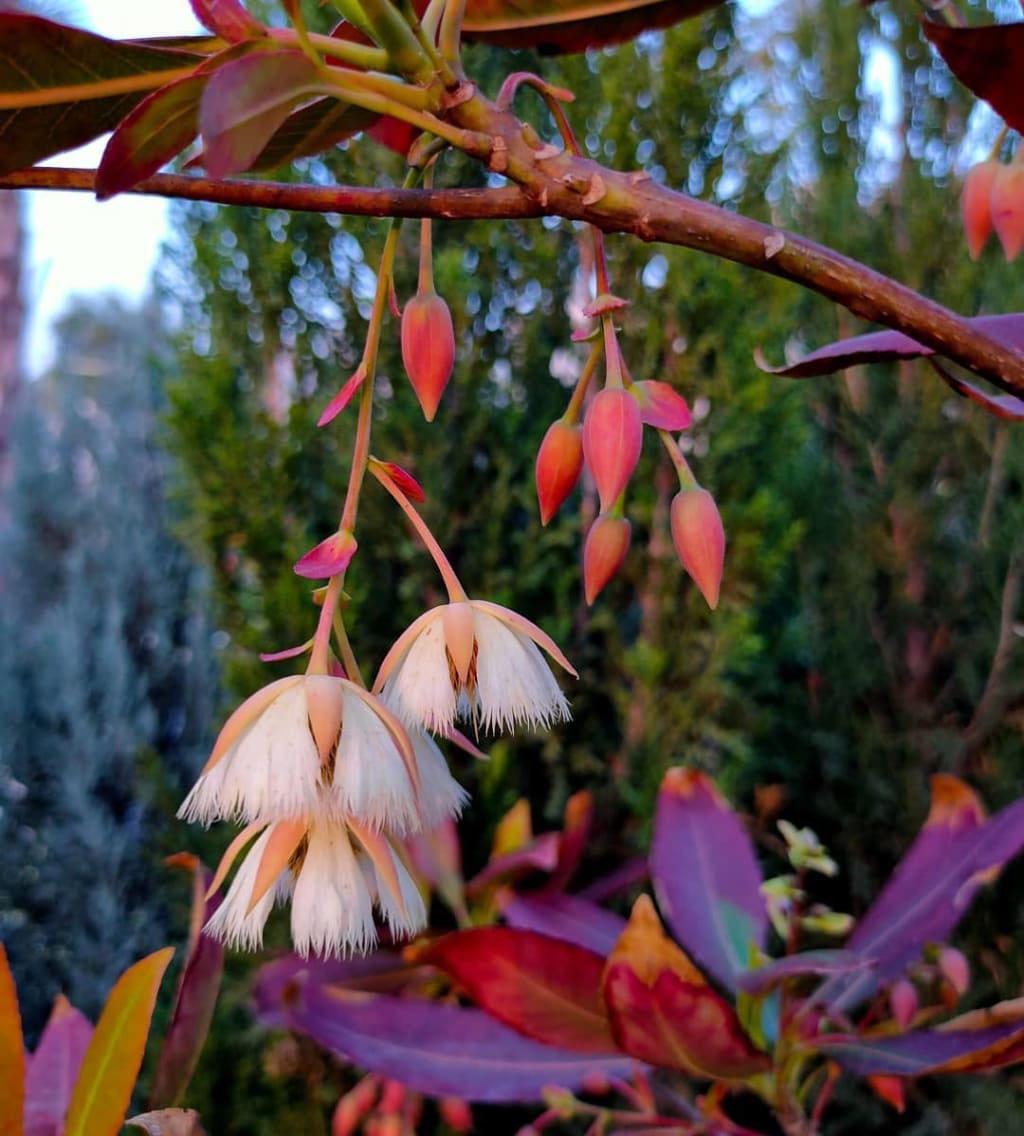
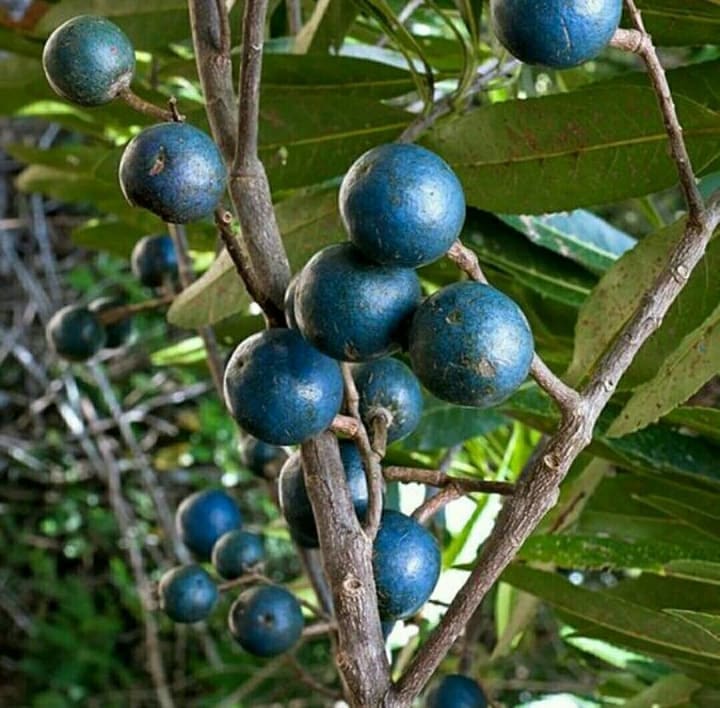
Rudraksha, the sacred seed of the Elaeocarpus ganitrus tree, holds a special place in the spiritual and cultural traditions of India and beyond. Rudraksha, a Sanskrit term meaning "tear of Rudra" (a Vedic deity synonymous with Lord Shiva), is a seed revered in Hinduism, Buddhism, and Jainism for its spiritual, medicinal, and metaphysical properties. Known for its unique vibrational properties, rudraksha is more than just a spiritual ornament; it is a divine tool for transformation and self-realization. But where did rudraksha originate, and what is its historical significance? Let’s dive into the fascinating story of rudraksha.
The Mythological Origin: Tears of Shiva
The word "rudraksha" is derived from two Sanskrit words: Rudra (a form of Shiva) and Aksha (tear), meaning "the tears of Shiva." According to Hindu mythology, the origin of rudraksha is deeply intertwined with Lord Shiva, one of the principal deities of Hinduism.
The Legend of Shiva’s Tears
The story goes that Lord Shiva, the destroyer and transformer in the Hindu Trinity, once meditated for thousands of years for the welfare of all beings. When he finally opened his eyes, tears of compassion fell to the earth. These tears crystallized into the seeds of the rudraksha tree, which grew into sacred trees bearing the divine beads.
In another version of the legend, Shiva shed tears of joy after defeating the demon Tripurasura. These tears fell to the earth and gave rise to the rudraksha tree. Thus, rudraksha is considered a direct manifestation of Shiva’s divine energy and compassion.
Rudraksha in Vedic Texts
Rudraksha’s significance is deeply rooted in Vedic scriptures, which elaborate on its divine origin, spiritual power, and practical applications. Below is an exploration of its role in key texts:
Shiva Purana
Origin : Rudraksha emerged from Lord Shiva’s tears after intense meditation, symbolizing his compassion for humanity.
Spiritual Role : Described as a tool for attaining liberation (moksha ), purifying the mind, and enhancing meditation.
Benefits : Protection from negativity, improved well-being, and alignment with divine grace.
Padma Purana
Divine Energy : Rudraksha channels Shiva’s consciousness, aiding spiritual connection.
Types & Uses : Classifies beads by mukhis (faces), emphasizing the Panchmukhi (5-faced) for general use and Ek Mukhi (1-faced) for ascetics.
Rituals : Recommends purification rituals and mantras like Om Namah Shivaya to activate energy.
Skanda Purana
Healing & Protection : Highlights rudraksha’s role in regulating blood pressure, calming the nervous system, and shielding against black magic.
Meditation Aid : Advises wearing beads during yoga to enhance focus and spiritual growth.
Devi Bhagavatam
Divine Connection : Positions rudraksha as a conduit for higher consciousness and divine receptivity.
Practical Use : Advocates using rudraksha malas for mantra chanting to amplify spiritual practices.
Atharvana Veda
Natural Healing : Aligns with the Veda’s emphasis on sacred elements for healing. Rudraksha’s vibrational properties support physical and mental balance.
Historical Significance of Rudraksha
Rudraksha beads have been used for thousands of years by sages, yogis, and spiritual seekers. Their historical significance can be traced back to ancient India, where they were considered sacred and powerful tools for spiritual growth.
1. Use by Sages and Yogis
In ancient times, rudraksha beads were worn by sages and yogis during meditation and spiritual practices. The beads were believed to enhance focus, calm the mind, and protect the wearer from negative energies. They were also used as prayer beads (mala) for chanting mantras and performing rituals.
2. Symbol of Spiritual Authority
Rudraksha beads were often worn by spiritual leaders and gurus as a symbol of their authority and connection to the divine. They were considered a mark of spiritual attainment and were highly respected in spiritual communities.
3. Healing and Protection
Historically, rudraksha beads were also used for their healing properties. They were believed to regulate blood pressure, improve heart health, and calm the nervous system. Additionally, rudraksha was worn as a protective talisman to ward off evil spirits and negative energies.
Rudraksha in Different Cultures
While rudraksha is most commonly associated with Hinduism, its significance extends to other cultures and traditions as well.
1. Buddhism
In Buddhism, rudraksha beads are used as prayer beads (mala) for chanting mantras and meditating. They are believed to enhance focus and spiritual growth, making them a valuable tool for Buddhist practitioners.
2. Jainism
In Jainism, rudraksha beads are worn for their protective and healing properties. They are also used in meditation and spiritual practices to enhance concentration and inner peace.
3. Ayurveda
In Ayurveda, the ancient Indian system of medicine, rudraksha is considered a powerful healing tool. It is believed to balance the body’s energy channels (nadis) and promote physical and mental well-being.
"Rudraksha is the bridge between the human and the divine."
Where is Rudraksha Found?
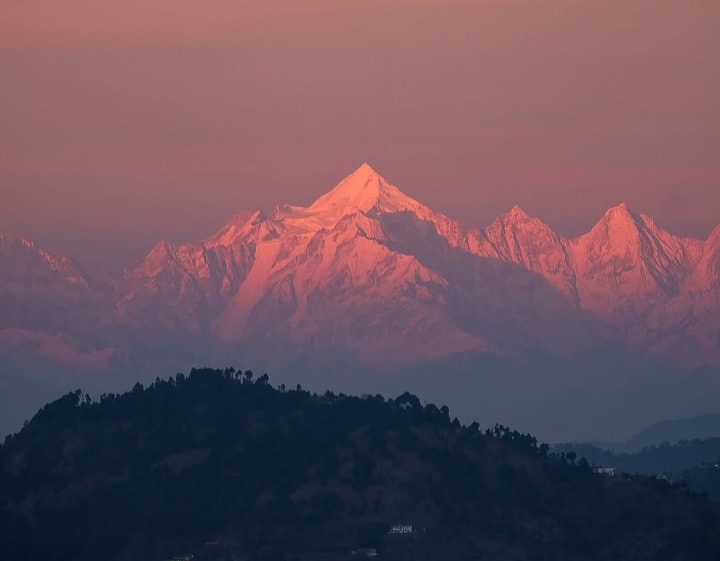
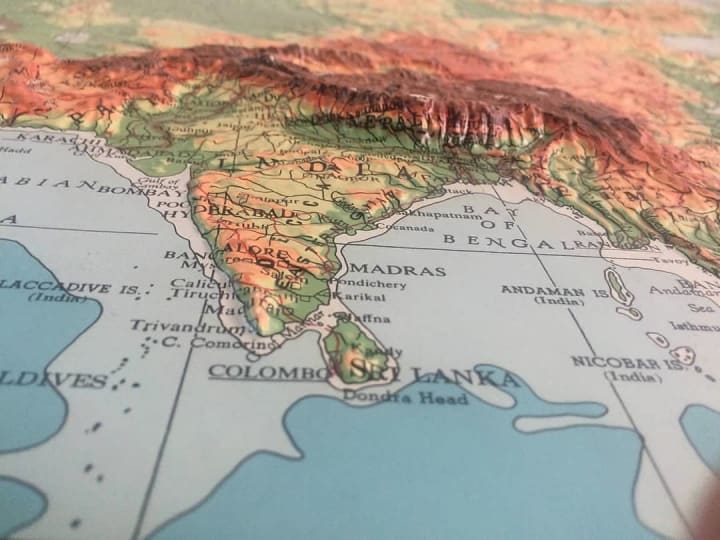
Rudraksha beads are the seeds of the Elaeocarpus ganitrus tree, which grows in specific regions of the world. These trees thrive in tropical and subtropical climates, particularly in areas with high altitudes and rich soil. Here are the primary regions where rudraksha is found:
1. The Himalayan Region
Countries: Nepal, India (especially Uttarakhand, Himachal Pradesh, and Sikkim), and Bhutan.
Significance: The Himalayan region is considered the most sacred and authentic source of rudraksha. The beads from this region are highly prized for their quality and spiritual potency.
Climate: The cool, moist climate and fertile soil of the Himalayas create ideal conditions for the growth of rudraksha trees.
2. Southeast Asia
Countries: Indonesia (especially Java and Sumatra), Malaysia, Thailand, and Myanmar.
Significance: Indonesia is one of the largest producers of rudraksha beads today. The beads from this region are known for their variety and availability.
Climate: The tropical climate and volcanic soil in these regions contribute to the growth of high-quality rudraksha trees.
3. Other Regions
Countries: Parts of Sri Lanka, Australia, and Hawaii.
Note: While rudraksha trees grow in these regions, the beads are less commonly used for spiritual purposes compared to those from the Himalayas and Southeast Asia.
How Does Rudraksha Look?
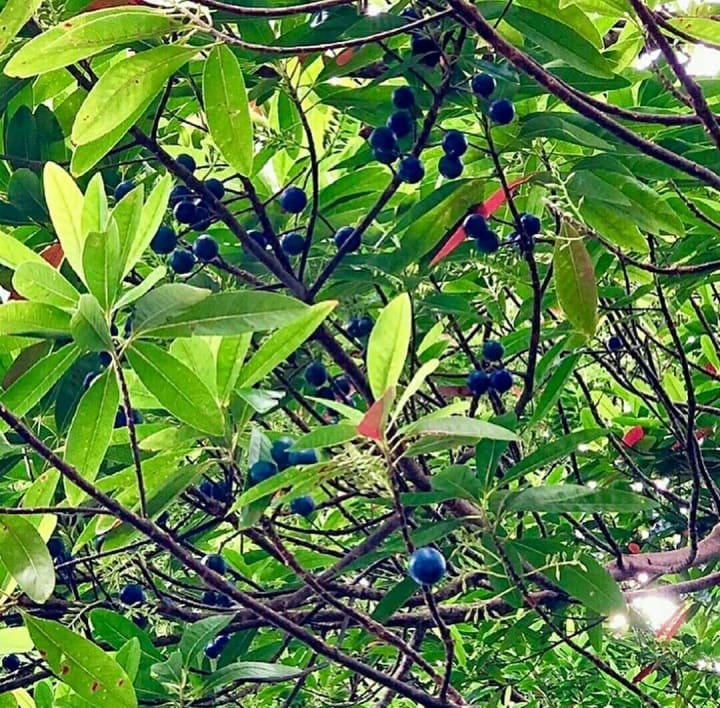
Rudraksha beads are unique in their appearance, with distinct features that set them apart from other seeds. Here’s a detailed description of their physical characteristics:
Shape: Rudraksha beads are generally round or oval in shape, with a slightly uneven surface.
Size: The size of rudraksha beads can vary significantly, ranging from as small as a pea (5-6 mm) to as large as a walnut (30-35 mm). The size often depends on the species of the tree and the region where it grows.
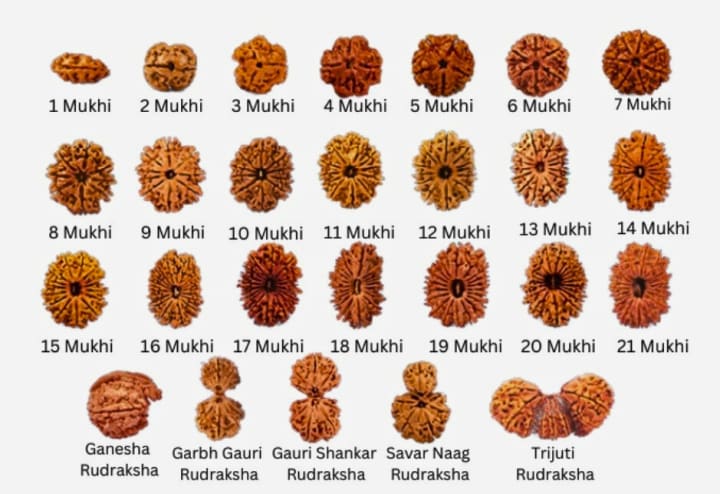
Grooves (Mukhis): The most distinctive feature of rudraksha beads is the presence of natural grooves or lines on their surface. These grooves divide the bead into segments called "mukhis" (faces). The number of mukhis can range from 1 to 21, with each type having unique spiritual and energetic properties.
Texture: The surface of a rudraksha bead is slightly rough and uneven, with a natural, earthy texture. The grooves are deep and well-defined, giving the bead a unique appearance.
Natural Color: Rudraksha beads are typically brown in color, with shades ranging from light brown to dark brown. The color may vary depending on the age of the bead and the region where it was harvested.
Polished Beads: Some rudraksha beads are polished to enhance their appearance. Polished beads have a smoother surface and a shinier finish, but they retain their natural grooves.
Seed Inside: Each rudraksha bead contains a seed inside, which is often removed before the bead is used for spiritual purposes. The seed is surrounded by a hard, woody shell that gives the bead its durability.
Natural Holes: Many rudraksha beads have a natural hole running through the center, making them easy to string into malas or wear as pendants.
Types of Rudraksha and Their Unique Benefits
Rudraksha beads are classified by the number of natural grooves or mukhis (faces) they possess. Each type has distinct vibrational frequencies, associated deities, planetary connections, and benefits. Below is a comprehensive breakdown:
1. Ek Mukhi Rudraksha (One Face)
Deity : Lord Shiva
Planet : Sun
Mantra : Om Hreem Namah
Benefits :Enhances spiritual growth, self-realization, and inner peace.
Promotes leadership qualities and success.
Caution : Intense energy; best for advanced spiritual seekers.
2. Do Mukhi Rudraksha (Two Faces)
Deity : Ardhanarishvara (Shiva-Parvati)
Planet : Moon
Mantra : Om Namah Shivaya
Benefits :Fosters harmony in relationships and emotional balance. Boosts creativity and resolves conflicts.
3. Teen Mukhi Rudraksha (Three Faces)
Deity : Agni (Fire God)
Planet : Mars
Mantra : Om Kleem Namah
Benefits :Builds courage, willpower, and vitality. Purifies mind, body, and soul.
4. Chaar Mukhi Rudraksha (Four Faces)
Deity : Brahma
Planet : Mercury
Mantra : Om Hreem Namah
Benefits :Improves concentration, memory, and communication. Aids academic and professional success.
5. Panch Mukhi Rudraksha (Five Faces)
Deity : Kalagni Rudra
Planet : Jupiter
Mantra : Om Hreem Namah Shivaya
Benefits :Reduces stress, enhances focus, and promotes overall health.
Suitable for all ages and genders.
6. Chhah Mukhi Rudraksha (Six Faces)
Deity : Kartikeya
Planet : Venus
Mantra : Om Hreem Hum Namah
Benefits : Boosts confidence, overcomes obstacles, and balances emotions. Ideal for students and professionals.
7. Saat Mukhi Rudraksha (Seven Faces)
Deity : Goddess Lakshmi
Planet : Saturn
Mantra : Om Hum Namah
Benefits : Attracts wealth, creativity, and mental healing. Combats depression and negativity.
8. Aath Mukhi Rudraksha (Eight Faces)
Deity : Lord Ganesha
Planet : Rahu
Mantra : Om Gam Ganapataye Namah
Benefits : Removes obstacles, enhances wisdom, and protects against negativity.
9. Nau Mukhi Rudraksha (Nine Faces)
Deity : Goddess Durga
Planet : Ketu
Mantra : Om Hreem Hum Namah
Benefits : Boosts courage, protects against accidents, and strengthens intuition.
10. Dus Mukhi Rudraksha (Ten Faces)
Deity : Lord Vishnu
Planet : Represents ten directions
Mantra : Om Hreem Namah
Benefits : Enhances leadership, promotes peace, and overcomes fear.
11. Gyaarah Mukhi Rudraksha (Eleven Faces)
Deity : Hanuman
Planet : Represents eleven Rudras
Mantra : Om Hreem Hum Namah
Benefits : Builds determination, protects against misfortune, and fosters spiritual growth.
12. Baarah Mukhi Rudraksha (Twelve Faces)
Deity : Lord Surya (Sun God)
Planet : Sun
Mantra : Om Suryaya Namah
Benefits : Boosts vitality, leadership, and recognition.
13. Terah Mukhi Rudraksha (Thirteen Faces)
Deity : Kamadeva (God of Love)
Planet : Venus
Mantra : Om Hreem Namah
Benefits : Enhances charm, harmony in relationships, and creativity.
14. Chaudah Mukhi Rudraksha (Fourteen Faces)
Deity : Hanuman
Planet : Saturn
Mantra : Om Namah Shivaya
Benefits : Strengthens intuition, protects against black magic, and overcomes fear.
15. Gauri Shankar Rudraksha
Deity : Shiva and Parvati
Planet : Union of masculine/feminine energies
Mantra : Om Namah Shivaya
Benefits : Balances energy channels, promotes emotional stability, and attracts prosperity.
16. Ganesha Rudraksha
Deity : Lord Ganesha
Planet : None
Mantra : Om Gam Ganapataye Namah
Benefits :
Removes obstacles, enhances decision-making, and protects against negativity.
How to Identify Genuine Rudraksha ?
With the increasing demand for rudraksha, counterfeit beads have flooded the market. Here are some tips to identify genuine rudraksha:
Natural Grooves: Genuine rudraksha beads have deep, well-defined grooves that are naturally formed.
Texture: The surface should feel slightly rough and uneven, not overly smooth or polished.
Weight: Genuine rudraksha beads are lightweight and feel comfortable to wear.
Source: Purchase rudraksha from trusted and reputable sources to ensure authenticity.
Symbolism & Practical Applications
Symbolism :
Tears of Shiva : Represents divine compassion.
Mukhis : Symbolize universal interconnectedness.
Protection : Acts as a shield against negative energies.
Practical Uses :
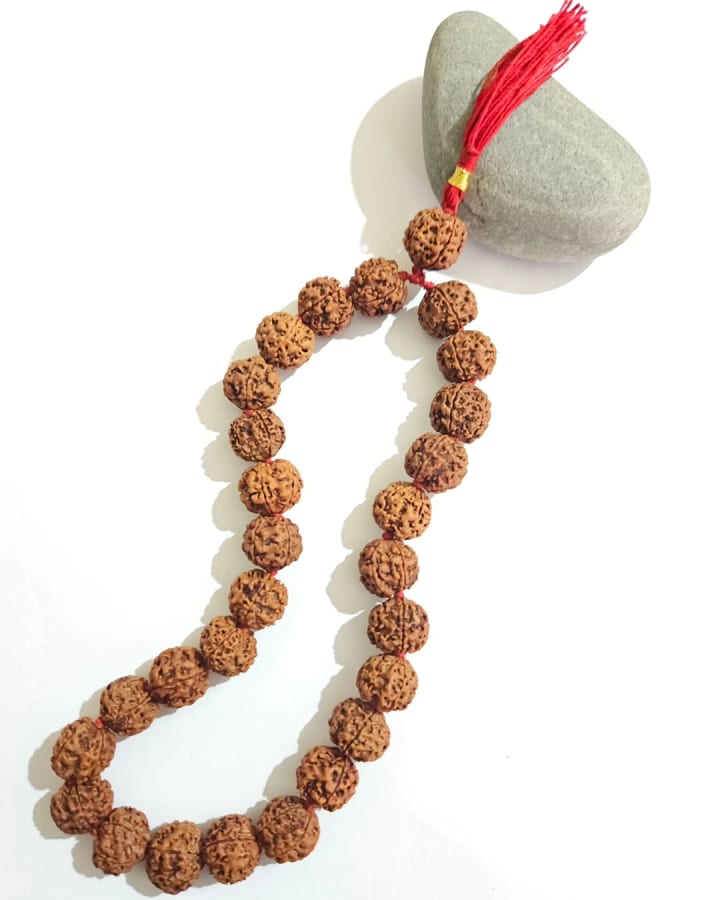
Wearing : As malas, bracelets, or pendants close to the skin.
Purification : Rituals involving mantras to energize beads.
Meditation & Healing : Enhances focus and serves as a healing talisman in Ayurveda.
The Science Behind Rudraksha
Modern research corroborates Rudraksha’s ancient reputation:
Electromagnetic Properties : The beads emit subtle frequencies that interact with the body’s bio-electrical system, regulating chakras and the nervous system.
Stress Reduction : Studies suggest rudraksha calms the mind, reduces anxiety, and improves emotional stability.
Durability & Antioxidants : Its hardness (2.8 on the Mohs scale) ensures longevity, while antioxidant content combats oxidative stress.
Spiritual and Health Benefits
Meditation Aid : Rudraksha malas (prayer beads) help focus the mind during mantra chanting (e.g., "Om Namah Shivaya").
Chakra Alignment : Specific mukhis align with energy centers (chakras). For example, 6 Mukhi balances the Ajna (third eye) chakra.
Health Benefits :
Regulates blood pressure and heart rate (electromagnetic properties stabilize bio-energy).
Reduces anxiety and improves sleep.
Enhances concentration and memory.
Authenticity and Care -Identifying Genuine Rudraksha
Natural Grooves : Machine-carved beads lack organic patterns.
Certification : Reputable sellers provide lab verification.
Maintenance :
Clean with a dry cloth; avoid chemicals.
Store in a silk or cotton pouch.
Avoid lending to others to preserve energy.
Modern Relevance
Fashion and Spirituality : Rudraksha jewelry blends tradition with style, worn by spiritual seekers and fashion enthusiasts alike.
Global Adoption : Used in yoga, Reiki, and alternative healing practices.
Ethical Sourcing : Sustainable harvesting ensures ecological balance and supports local communities.
Final words
Rudraksha transcends time, merging myth with science and spirituality with practicality. Whether worn as a mala, pendant, or bracelet, it serves as a reminder of inner peace and cosmic connection. As both a sacred object and a scientific marvel, Rudraksha continues to inspire millions worldwide, proving that ancient wisdom still holds relevance in modern life.
"Wearing Rudraksha is not just a tradition—it is an invitation to align with the universe’s rhythm."
About the Creator
Sujeet M Sonar
An artist, teacher, and lifelong learner influenced by philosophers like J Krishnamurti & Socrates, and writers like Premchand and Kahlil Gibran. Inspired by Swami Vivekananda’s, I believe inner growth leads to outward expansion and Wisdom.
Keep reading
More stories from Sujeet M Sonar and writers in FYI and other communities.
The Enchanting Tale of Chaitra Navratri: A Celebration of Divine Feminine Energy
Once upon a time, in the mystical land of Bharatvarsha (ancient India), where gods and goddesses walked among mortals, there was an eternal battle between good and evil. This timeless struggle found its most glorious celebration during Chaitra Navratri , a nine-day festival that marks new beginnings, divine devotion, and the triumph of righteousness over darkness.
By Sujeet M Sonar12 months ago in Humans
Water wells the key of our future
The average lifespan of a water well ranges from 25 to 40 years if it has carbon steel piping. Other steel alloys can increase the well's durability; however, a crucial point is sustainability. This means that over the years, the well continues to provide a constant and sustainable flow of water. To achieve this, it largely depends on the underground aquifers not being overexploited and on the recharge rate being greater than or equal to the extraction volume. However, today most aquifers are overexploited due to the large amount of water extracted each year. Another important factor that will ensure the sustainability of water wells is the periodic maintenance that the user must perform to keep them free of sediment and at their full depth. This includes minimizing corrosion of the steel casing pipe, thus extending its lifespan. Continuous monitoring of static and dynamic water levels in the well is also crucial, as is annual water quality analysis to identify any potential partial or total aquifer contamination.
By Ximena Ramirez4 days ago in FYI
A Transparent Look at Vocal Challenges and Top Stories
Almost three years ago, we shared a resource article that served as a place for people to suggest new challenge prompts. We thought it would be a good idea to refresh that thread, and take the opportunity to answer a few common questions about top stories, how challenges are judged and how submissions are reviewed.
By Vocal Curation Team4 days ago in Resources




Comments
There are no comments for this story
Be the first to respond and start the conversation.