
The Power of Music: How Melodies Shape Our Emotions and Enhance Well-being
Harmonizing Hearts and Minds: Exploring the Transformative Influence of Music on Emotions, Cognition, Well-being, and Collective Unity
Introduction:
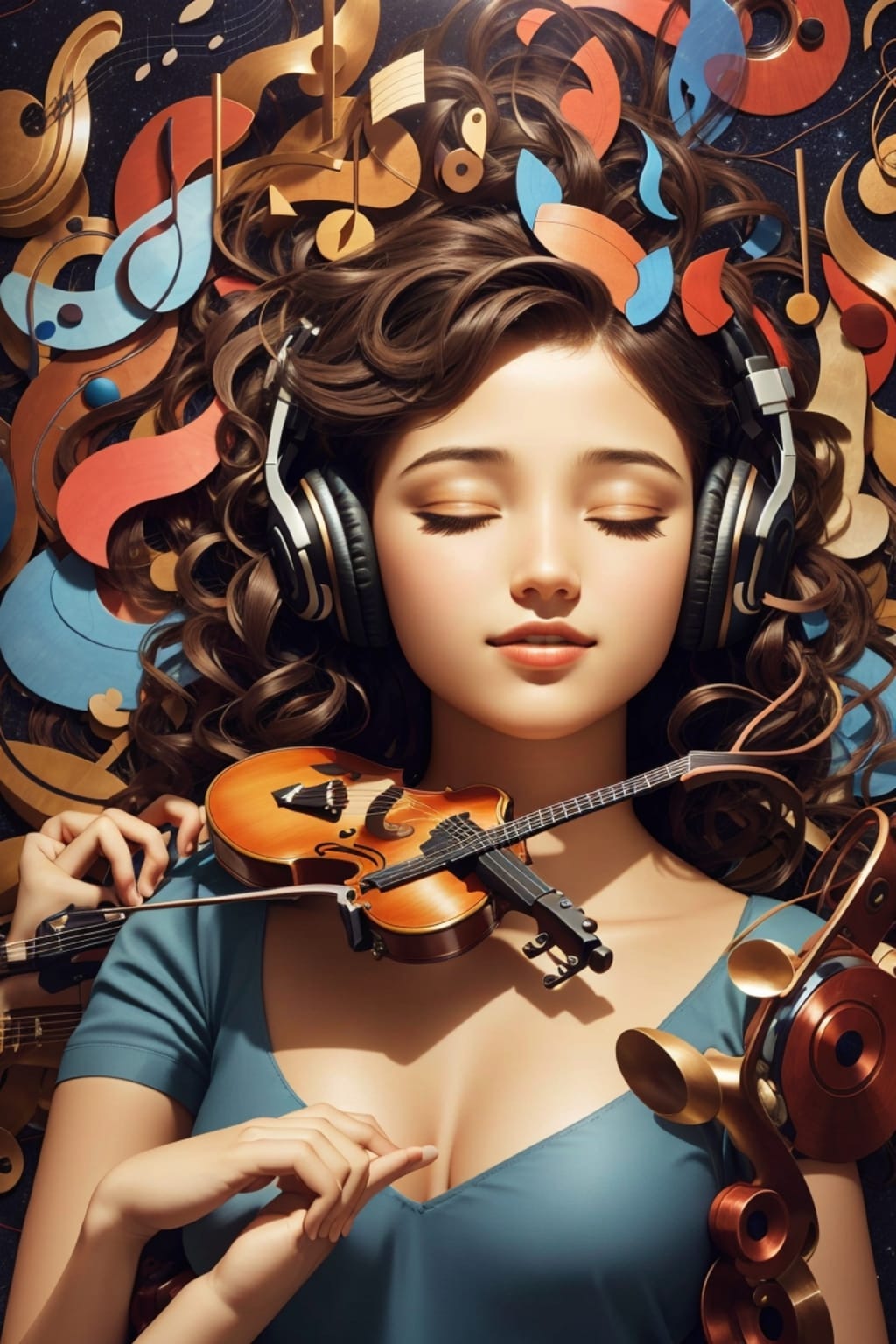
From the first beats that captivate our ears to the soul-stirring lyrics that resonate within, music holds a remarkable influence over our emotions and well-being. It has the power to uplift, inspire, and heal. In this article, we will embark on an immersive exploration of the profound impact of music on our lives. We will delve into its ability to evoke emotions, enhance cognitive abilities, promote relaxation, foster social connections, and even bridge cultural divides. Prepare to be immersed in a melodic journey that unveils the transformative power of music, transcending boundaries and uniting humanity through its universal language.
Emotion and Expression:
Music possesses a unique ability to evoke and express emotions. From the melancholic strains of a haunting melody to the energizing rhythm of an upbeat tune, music has the power to resonate deeply within us. Different genres and melodies can evoke a wide range of emotions, from joy and excitement to sadness and nostalgia. By listening to music that aligns with our emotional states, we can find solace, validation, and catharsis. Music acts as a conduit for the expression and exploration of our innermost thoughts and feelings, providing a means of communication that transcends words.
Cognitive Enhancement:
Beyond its emotional impact, music has a profound effect on cognitive abilities. Research has shown that engaging with music, whether through active participation or passive listening, can enhance various aspects of cognition. Playing a musical instrument, for instance, stimulates multiple areas of the brain, improving memory, attention, and problem-solving skills. Children who receive music education often perform better academically, demonstrating heightened cognitive abilities.
Listening to music while studying or working can also enhance focus and productivity. The rhythmic patterns and melodies can create an optimal state of mind for concentration and creative thinking. Music has even been linked to improved language processing, making it beneficial for individuals learning a new language or recovering from language impairments. The power of music to engage and stimulate the brain makes it a valuable tool for cognitive development and rehabilitation.
Healing and Relaxation:
Music has long been recognized for its therapeutic qualities. In clinical settings, music therapy is employed to alleviate stress, reduce anxiety, and manage pain. The soothing melodies, harmonies, and rhythms can induce a relaxation response, slowing heart rate, lowering blood pressure, and reducing cortisol levels. The calming effect of music can ease tension, promote deep breathing, and provide a sense of comfort and tranquility.
Beyond its physiological effects, music also has the power to heal emotionally and psychologically. It serves as a form of self-expression and a tool for emotional release. Whether through singing, playing an instrument, or simply listening, music provides a safe outlet for our innermost thoughts and feelings. It can evoke memories, evoke nostalgia, and help us process and navigate challenging emotions. The cathartic nature of music allows us to find solace, heal emotional wounds, and find strength in times of difficulty.
Social Connection and Unity:
Music possesses a unique ability to bring people together and foster a sense of unity. Throughout history, music has been integral to cultural traditions, religious ceremonies, and social gatherings. From ancient tribal rituals to modern-day concerts, music serves as a universal language that transcends cultural and language barriers. It has the power to unite people, promote social bonding, and create shared experiences.
Singing in choirs or playing in musical ensembles promotes teamwork, cooperation, and a sense of belonging. The collaborative nature of making music together cultivates a deep sense of connection and camaraderie. Music festivals and concerts bring people from diverse backgrounds together, celebrating a shared passion for melodies and rhythms. The collective experience of live music, with its energy, emotional resonance, and sense of community, forges connections and cultivates a profound sense of belonging.
Moreover, music has been used as a powerful tool for social change and advocacy. Throughout history, songs have served as anthems for movements, rallying individuals together for a common cause. Music has the power to inspire, ignite passion, and unite people towards positive societal transformation.
Conclusion: The power of music is undeniable. From evoking deep emotions to enhancing cognitive abilities, promoting relaxation, and fostering social connections, music enriches our lives in profound ways. It transcends boundaries, unites people, and serves as a universal language of the heart. So, let the melodies guide you, immerse yourself in its embrace, and embrace the transformative power of music for your well-being, personal growth, and the collective unity of humanity.
About the Creator
Keep reading
More stories from Jemima Fraser and writers in FYI and other communities.
Harnessing the Power of the Law of Attraction: Exploring its Connection with Quantum Physics
Introduction: The Law of Attraction has gained widespread attention as a method for manifesting desires and creating positive outcomes in life. But is there a scientific basis for this phenomenon? In recent years, the fascinating field of quantum physics has shed light on potential connections between the Law of Attraction and the fundamental nature of reality. In this article, we will delve into the intriguing relationship between the Law of Attraction and quantum physics, exploring how these concepts intertwine and offer insights into the manifestation process. By examining the principles of both the Law of Attraction and quantum physics, we can gain a deeper understanding of their potential correlation and discover new perspectives on manifestation.
By Jemima Fraser 3 years ago in Motivation
A Failed Artist, A Disillusioned Poet, An Underpaid Game Show Host
I took my son and niece to Gori, a small town in Georgia where Joseph Stalin was born. They talked me into visiting the Stalin's Museum, the largest in the post-Soviet space. I had resisted going there because I just can't stand the monster and know enough about him, or so I thought.
By Lana V Lynx20 days ago in FYI
Autonomy Is The Real Privilege
Good morning, freedom-seekers! Today we’re gonna be looking at autonomy. A strange word, I know; one many would probably look at blankly and run away from on sight. We’re gonna figure out what it actually means, consider how it’s achieved, and decipher just how deeply most of us are tangled up in dependence without realising it.
By That ‘Freedom’ Guy5 days ago in Humans



Comments
There are no comments for this story
Be the first to respond and start the conversation.