
The Marvelous Migration of Monarch Butterflies
Science Meets Philosophy
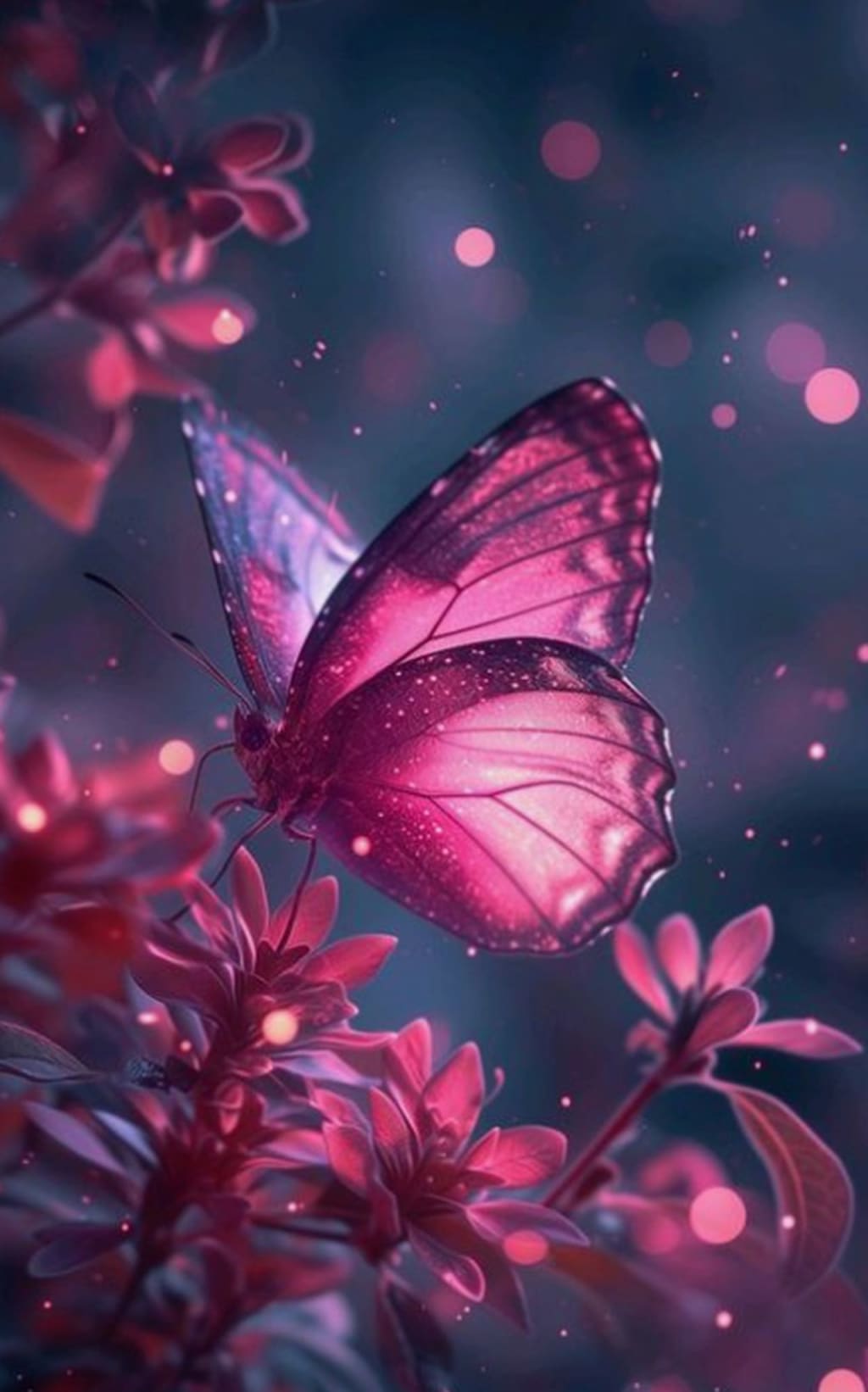
Monarch butterflies are more than just beautiful creatures fluttering through our gardens; they are emblematic of nature’s wonders, particularly in how they migrate thousands of miles each year.
Every autumn, these delicate insects embark on a perilous journey from North America to the warm, inviting forests of Mexico, covering up to 3,000 miles.
But how do they know where to go?
The answer lies at the intersection of science and philosophy, unveiling a narrative that transcends mere biology.
At its core, the migration of monarch butterflies is a fascinating interplay of genetics, environmental cues, and innate behavior.
Scientists have long been intrigued by how these butterflies navigate such vast distances with precision. Research suggests several key factors that contribute to this remarkable ability.
One of the primary navigational tools for monarchs is their circadian rhythm—essentially an internal clock that governs their daily activities.
Monarchs can sense the position of the sun in the sky, using it to maintain a southward direction.
This solar navigation is especially effective during clear days. When they encounter cloudy weather, however, they have an extraordinary backup system: they can detect the polarization of light, which remains consistent even when the sun is obscured.
Interestingly, recent studies have also indicated that monarchs may have a magnetic sense, allowing them to orient themselves using the Earth's magnetic field.
This remarkable ability appears to be a result of specific proteins in their eyes that react to magnetic fields, providing another layer of navigation.
Moreover, this knowledge isn’t merely learned; it’s inherited. Monarch butterflies possess a genetic predisposition for migration, passed down through generations.
This genetic programming means that even the butterflies born in one season will instinctively know to head south, despite never having made the journey before.
In addition to innate navigational skills, monarchs rely on environmental cues. Changes in temperature, daylight hours, and the availability of food resources signal the onset of migration.
As the days grow shorter and temperatures begin to drop, these butterflies instinctively prepare for their journey.
While the science of migration is awe-inspiring, it raises deeper questions about the nature of existence and the instincts that govern life.
Monarch butterflies, in their quest for survival, embody a philosophy of purpose and direction.
Home is a concept deeply rooted in our human experience. For monarchs, home isn’t just a location; it’s a way of life defined by cycles and seasons.
Their migration symbolizes a search for warmth, food, and ultimately, the continuation of life. This instinctual drive reflects a broader philosophical idea: the pursuit of belonging and safety.
In many ways, monarchs challenge our notions of home. They are creatures of the wind, driven by forces beyond their control yet guided by an intrinsic knowledge that transcends their individual existence.
Their journey prompts us to contemplate our own migrations—whether they be physical, emotional, or spiritual.
The concept of collective memory is another philosophical angle to consider. Monarchs exhibit a phenomenon known as "multi-generational migration." While the butterflies that begin the journey to Mexico may not be the same individuals that arrive, their collective memory of the route is encoded in their genes. This raises fascinating questions about identity and continuity. What does it mean to be part of a collective that spans generations? How do we carry forward the wisdom of those who came before us?
Observing the monarch’s migration also invites us to reflect on nature's wisdom. These butterflies remind us of the interconnectedness of life and the delicate balance of ecosystems.
As they navigate the world, they serve as pollinators and contribute to the biodiversity of the environments they inhabit. Their journey is not just about survival; it’s about participation in a larger ecological tapestry.
The monarch butterfly's migration story teaches resilience. Facing numerous challenges—predators, climate change, habitat loss—these butterflies continue to adapt and persevere. In a world where many feel lost or overwhelmed, their journey inspires hope. It illustrates that even the smallest beings can embark on monumental journeys, reminding us that resilience is rooted in both instinct and determination.
The migration of monarch butterflies is a spectacular phenomenon that encapsulates the essence of life itself—a blend of instinctual behavior, environmental awareness, and philosophical depth.
As these butterflies traverse the vast landscapes of North America and beyond, they not only showcase the marvels of evolutionary biology but also provoke deeper reflections on our own existence.
In the dance of the seasons, where nature orchestrates a symphony of movement and change, we find inspiration. Monarchs teach us that knowing one’s direction is not solely about physical navigation but also about understanding the purpose behind the journey. Their legacy prompts us to embrace our own migrations, however daunting they may seem.
As we contemplate the journey of the monarch, let us carry forward this newfound wisdom:
"In every journey lies the promise of purpose, where instinct guides the heart toward home." -Jassila
Through their graceful flight, the monarch butterflies remind us all of the beauty of direction, resilience, and the interconnectedness of life.
About the Creator
Jassila
A passionate writer who seeks to unravel the mysteries of life and celebrate the diversity of human experience. Above all a dreamer, envisioning a future of love, success, and meaningful experiences.



Comments (2)
I wrote a poem based on your story. https://shopping-feedback.today/poets/if-only-i-could-fly-jf9450a4b%3C/span%3E%3C/span%3E%3C/span%3E%3C/a%3E%3C/p%3E%3C/div%3E%3C/div%3E%3C/div%3E%3Cstyle data-emotion-css="w4qknv-Replies">.css-w4qknv-Replies{display:grid;gap:1.5rem;}
Nature gives its creatures such gifts. If we could fly? wow. Would we be as smart and as cosmic.