
The Importance of Critical Thinking
Exploring the Significance of Evaluating Facts and Making Informed Decisions

In a world inundated with information, critical thinking has become an essential skill for navigating the complexities of daily life. It is the ability to objectively analyze and evaluate facts, evidence, and arguments in order to make informed decisions. In this article, we will delve into the significance of critical thinking, focusing on its role in evaluating facts and its impact on decision-making processes.
The Nature of Critical Thinking
Critical thinking is more than mere skepticism; it is a systematic and disciplined approach to analyzing information. It involves questioning assumptions, examining evidence, identifying biases, and considering alternative viewpoints. By engaging in critical thinking, individuals can separate fact from fiction, distinguishing reliable information from misleading or false claims. Critical thinkers cultivate an open-minded attitude, recognizing the limitations of their own knowledge and actively seeking to expand their understanding. This way they break down complex problems into manageable parts, consider different perspectives, and identify the most effective solutions.
Evaluating Facts:
In today's information age, the ability to evaluate facts is paramount. Critical thinking equips individuals with the necessary tools to assess the credibility and reliability of information sources. It enables us to scrutinize data, scrutinize research methodologies, and detect potential biases. By evaluating facts critically, we can avoid falling victim to misinformation, propaganda, or manipulated narratives.Critical thinking promotes intellectual autonomy by empowering individuals to question authority, challenge conventional wisdom, and think for themselves. It encourages a healthy skepticism that drives individuals to seek evidence and engage in independent research, fostering a deeper understanding of the world. This analytical approach fosters a well-rounded comprehension of subjects and allows for more informed decision-making.
Mitigating the Influence of Biases:
Critical thinking helps individuals recognize and overcome cognitive biases that can hinder objective evaluation of facts. By being aware of biases such as confirmation bias or availability heuristic, individuals can strive for a more balanced and rational assessment of information.

The Impact on Decision-Making Processes:
Critical thinking plays a pivotal role in decision-making, helping individuals to navigate choices with clarity and confidence. When faced with a complex problem or a range of options, critical thinkers are skilled at assessing the pros and cons, identifying potential risks, and weighing evidence. They avoid hasty judgments based on biases or personal preferences, instead relying on logical reasoning and evidence-based arguments.
Furthermore, critical thinking empowers individuals to recognize and overcome cognitive biases that can cloud judgment. By questioning our own assumptions and examining the underlying evidence, we can mitigate the impact of cognitive shortcuts and emotional biases, leading to more objective and rational decision-making.
Moreover, critical thinking fosters creativity and innovation. By challenging established norms and exploring new possibilities, critical thinkers are more likely to identify alternative solutions and novel approaches to problem-solving.
Critical thinking is a cornerstone of lifelong learning. It fosters a curiosity-driven mindset that continually seeks new knowledge, encourages intellectual growth, and promotes the development of a well-informed and adaptable individual.

Enhancing Professional Success:
Critical thinking is highly valued in various professional settings. Employers seek individuals who can analyze complex problems, evaluate evidence, and make informed decisions. Developing strong critical thinking skills can enhance career prospects and contribute to professional success.
Empowering Active Citizenship:
Critical thinking plays a crucial role in democratic societies. It enables individuals to critically evaluate political claims, analyze policy proposals, and make informed choices as active and responsible citizens.
Navigating Information Overload:
In the era of vast information availability, critical thinking provides a compass for navigating through the overwhelming volume of data. It equips individuals with the tools to distinguish reliable sources from misinformation, pseudoscience, or unsubstantiated claims.
Contributing to Personal Growth:
Ultimately, critical thinking is a catalyst for personal growth and self-improvement. It fosters intellectual curiosity, expands knowledge, sharpens analytical skills, and cultivates a mindset of continuous learning and improvement.
In an era characterized by information overload, the importance of critical thinking cannot be overstated. By honing our critical thinking skills, we become more adept at evaluating facts, recognizing fallacies, and making informed decisions. Critical thinking empowers us to navigate the complexities of the modern world, enabling us to separate truth from falsehood, make rational choices, and contribute to a more discerning and enlightened society. Embracing critical thinking is essential for personal growth, intellectual development, and the advancement of society as a whole.
About the Creator
Keep reading
More stories from Shakira Scantlebury and writers in FYI and other communities.
Challenging Common Myths about the Middle Ages
The Middle Ages, a period spanning from the 5th to the 15th century, is often misunderstood and misrepresented in popular culture. From knights and dragons to witch hunts and the Black Death, the Middle Ages are often portrayed as a dark and violent time. However, many of these beliefs are based on myths and misconceptions rather than historical facts. , Let's explore six common myths about the Middle Ages.
By Shakira Scantlebury3 years ago in FYI
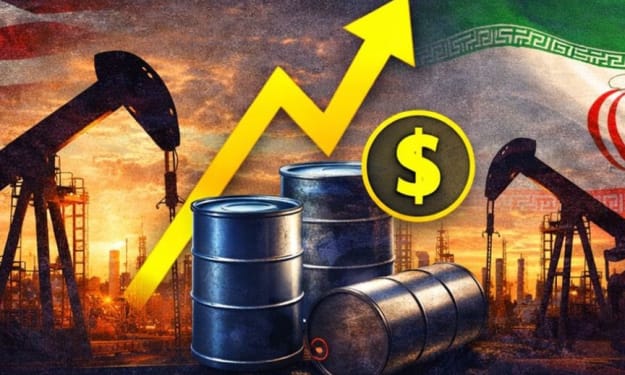
Oil Prices and the Hidden Struggles Behind Global Energy
Oil prices influence daily life in ways many people rarely notice. From the cost of gasoline at the pump to the price of food in grocery stores, shifts in oil prices ripple through the global economy. A sudden rise can strain family budgets, while a sharp drop can shake entire industries. Behind these changes are complex forces such as political tension, supply shortages, economic growth, and environmental concerns. Yet for many people, oil prices remain a distant headline rather than a personal story. The truth is far more connected to everyday life. Understanding how oil prices move, why they change, and who feels the impact most can reveal a deeper picture of the modern world and the fragile balance that keeps global energy flowing.
By Muqadas khan5 days ago in FYI



Comments
There are no comments for this story
Be the first to respond and start the conversation.