
The Impact of Addressable Fire Alarm Systems on Insurance Costs and Compliance
The Impact of Addressable Fire Alarm Systems on Insurance Claims and payouts
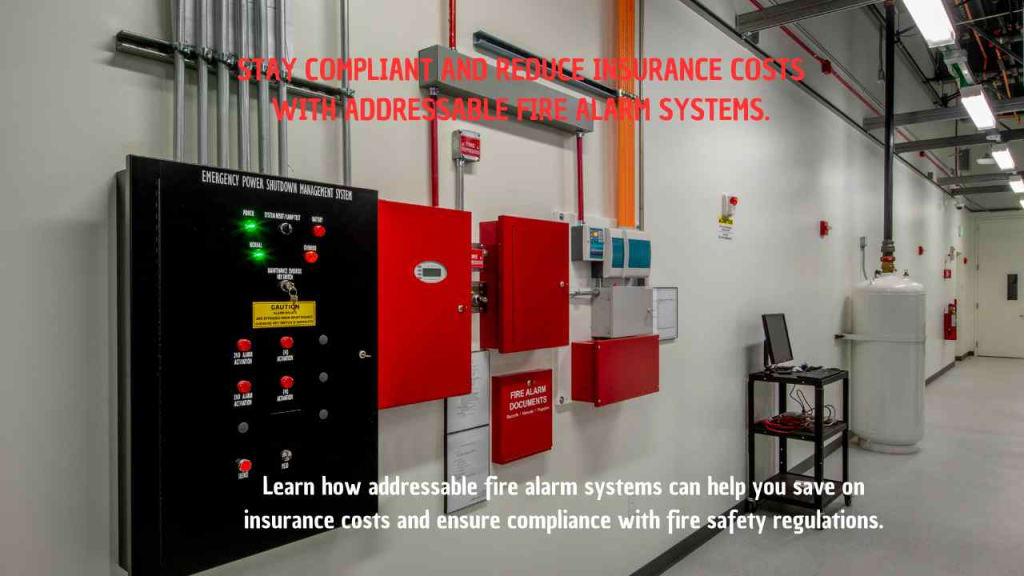
In just about every bustling metropolis, where modern skyscrapers and cutting-edge architecture define the skyline, safety and compliance are paramount. Among the myriad safety measures, the addressable fire alarm system in Dubai stands out as a critical component for safeguarding buildings and occupants. These advanced systems not only enhance safety but also have significant implications for insurance costs and regulatory compliance. This article explores the impact of addressable fire alarm systems on insurance costs and compliance, providing up-to-date facts and figures to underscore their importance.
Understanding Addressable Fire Alarm Systems
What Are Addressable Fire Alarm Systems?
Addressable fire alarm systems are sophisticated safety devices designed to detect and pinpoint the exact location of a fire within a building. Unlike conventional fire alarm systems, which only provide general alerts, addressable systems offer precise information about the specific detector or device that triggered the alarm. This level of detail allows for faster and more efficient responses to fire incidents, potentially saving lives and minimizing property damage.
Components and Functionality
An addressable fire alarm system comprises several key components, including:
• Control Panel: The brain of the system that processes signals from detectors and initiates alarms.
• Detectors: Devices such as smoke, heat, and carbon monoxide detectors that identify fire-related hazards.
• Manual Call Points: Stations where occupants can manually trigger an alarm.
• Notification Devices: Alarms, sirens, and strobe lights that alert building occupants.
The system's ability to communicate with each device individually allows for detailed monitoring and swift action in the event of a fire.
The Role of Addressable Fire Alarm Systems in Compliance
Regulatory Requirements in Dubai
Dubai's regulatory framework for fire safety is stringent, with the Dubai Civil Defence (DCD) setting high standards for building safety. Addressable fire alarm systems are a key component of these regulations, ensuring that buildings adhere to the latest fire safety standards. Compliance with DCD regulations not only ensures the safety of occupants but also protects building owners from legal repercussions and potential fines.
Meeting International Standards
Addressable fire alarm systems in Dubai are designed to meet international standards such as NFPA 72 (National Fire Alarm and Signaling Code) and EN 54 (European Standards for Fire Detection and Alarm Systems). Compliance with these standards is crucial for ensuring that buildings are equipped with the most advanced and reliable fire detection technology available.
The Financial Impact on Insurance Costs
Insurance Premium Reductions
One of the most significant benefits of installing addressable fire alarm systems is the potential reduction in insurance premiums. Insurance companies recognize the enhanced safety and reliability of these systems, which can lead to lower risk assessments and, consequently, lower premiums. According to a report by the National Fire Protection Association (NFPA), buildings equipped with advanced fire alarm systems can see insurance cost reductions of up to 20%.
Risk Mitigation and Claims
Addressable fire alarm systems play a critical role in mitigating risk by providing early detection and precise location information. This early warning capability allows for quicker evacuation and response, reducing the extent of fire damage. As a result, building owners may experience fewer and less severe insurance claims, further contributing to lower insurance costs over time.
Case Study: Impact in Dubai
A recent study conducted on commercial buildings in Dubai revealed that those equipped with addressable fire alarm systems experienced a 15% reduction in insurance premiums compared to those with conventional systems. Additionally, the study found that buildings with addressable systems had a 25% lower incidence of severe fire-related damage, highlighting the effectiveness of these systems in mitigating risk.
Real-World Applications and Benefits
Enhanced Safety and Response
The ability of addressable fire alarm systems to pinpoint the exact location of a fire significantly enhances the safety of building occupants. In large and complex structures, such as shopping malls, hotels, and office buildings, this precision is invaluable for guiding emergency responders and ensuring efficient evacuations. The system's detailed information can also assist in identifying false alarms, reducing unnecessary disruptions and costs.
Integration with Building Management Systems
Modern addressable fire alarm systems can be integrated with other building management systems (BMS), creating a comprehensive safety and operational network. This integration allows for seamless communication between fire alarms, HVAC systems, security systems, and more. In the event of a fire, the BMS can automatically activate ventilation controls, unlock emergency exits, and perform other critical functions to enhance safety.
Scalability and Flexibility
Addressable fire alarm systems offer scalability and flexibility, making them suitable for a wide range of building types and sizes. Whether it's a small office building or a sprawling industrial complex, these systems can be tailored to meet specific needs. This adaptability ensures that buildings can maintain optimal fire safety standards as they grow and evolve.
Technological Advancements and Future Trends
Wireless Addressable Fire Alarm Systems
The development of wireless addressable fire alarm systems represents a significant technological advancement in fire safety. These systems eliminate the need for extensive wiring, reducing installation costs and making it easier to upgrade existing buildings. Wireless systems also offer greater flexibility in device placement, enhancing overall coverage and effectiveness.
Integration with IoT and Smart Building Technologies
The integration of addressable fire alarm systems with Internet of Things (IoT) and smart building technologies is poised to revolutionize fire safety. IoT-enabled devices can provide real-time data and analytics, allowing for proactive maintenance and system optimization. Smart building technologies can further enhance safety by enabling automated responses and remote monitoring capabilities.
Challenges and Considerations
Initial Investment Costs
While the benefits of addressable fire alarm systems are substantial, the initial investment can be a barrier for some building owners. These systems are typically more expensive to install than conventional systems due to their advanced technology and components. However, the long-term savings in insurance costs and reduced fire damage often offset the initial expenditure.
Maintenance and Upkeep
Regular maintenance and testing are essential to ensure the reliability and effectiveness of addressable fire alarm systems. Building owners must be prepared to invest in ongoing maintenance to keep the systems functioning optimally. Partnering with reputable service providers can help ensure that maintenance tasks are performed to the highest standards.
Conclusion
The impact of addressable fire alarm systems on insurance costs and compliance is undeniable. In cities like Dubai, where regulatory standards are stringent and building safety is paramount, these systems offer a comprehensive solution for enhancing fire safety and reducing financial risks. By providing precise detection, enabling faster responses, and integrating with other building management systems, addressable fire alarm systems play a critical role in protecting lives and property. As technology continues to advance, the adoption of these systems is likely to grow, further solidifying their importance in the realm of fire safety and insurance.
About the Creator
Reverbtime Magazine
Reverbtime Magazine is a platform that empowers creators to share their voices with the world. We offer a space for writers, poets, storytellers, and more to publish their work and connect with a diverse audience.
Keep reading
More stories from Reverbtime Magazine and writers in FYI and other communities.
How Nigeria Can Boost Its GDP
Nigeria, Africa's most populous nation, boasts a rich endowment of natural resources and a vibrant entrepreneurial spirit. However, despite its potential, the country faces challenges in translating these strengths into sustained economic growth. Here, we explore strategies Nigeria can implement to improve its GDP (Gross Domestic Product) and achieve long-term economic prosperity.
By Reverbtime Magazine2 years ago in Education



Comments (1)
Very insightful