
The Holocaust...
The Holocaust was a genocide that took place during World War II, resulting in the systematic murder of six million Jews and other targeted groups by the Nazi regime in Germany. The term "Holocaust" comes from the Greek word holokauston, which means "sacrifice by fire."

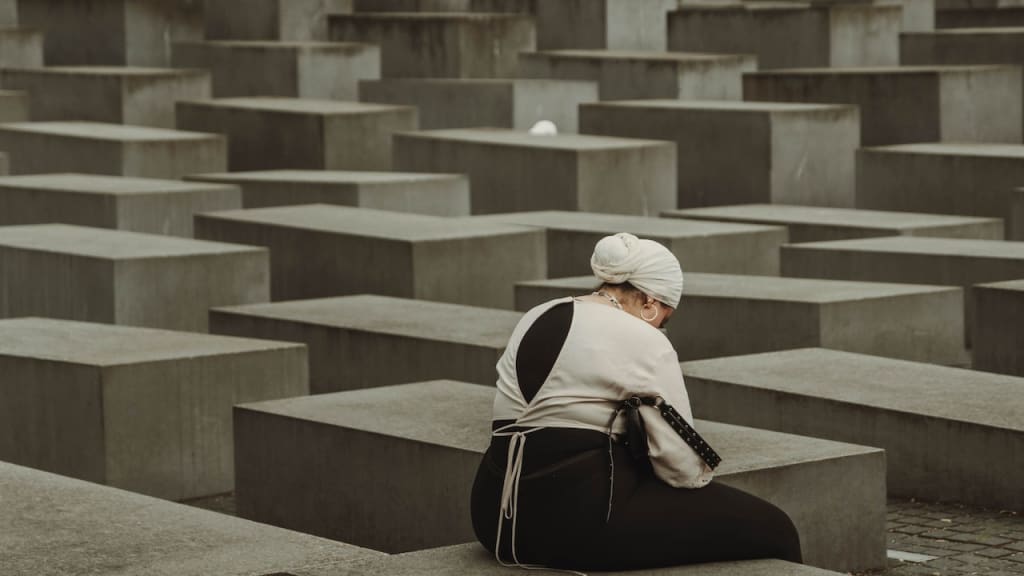
The Holocaust was a genocide that took place during World War II, resulting in the systematic murder of six million Jews and other targeted groups by the Nazi regime in Germany. The term "Holocaust" comes from the Greek word holokauston, which means "sacrifice by fire."
The persecution of Jews by the Nazis began with the Nuremberg Laws in 1935, which stripped them of their rights and subjected them to discrimination and violence. This escalated in 1938 with Kristallnacht, a coordinated attack on Jewish homes, businesses, and synagogues throughout Germany and Austria.
In 1939, Germany invaded Poland, and the Nazis began their campaign of mass murder. They established ghettos in major cities and began deporting Jews to concentration camps, where they were subjected to forced labor, starvation, and torture. The Nazis also implemented a policy of "euthanasia" for disabled individuals and others deemed "unfit" to live, including Romani people, homosexuals, and political dissidents.
In 1941, the Nazis invaded the Soviet Union and began a campaign of extermination of the Jewish population, known as the "Final Solution." This involved rounding up Jews and transporting them to death camps, where they were gassed or shot en masse. Auschwitz-Birkenau, located in Poland, was the largest and most notorious of these death camps, where an estimated 1.1 million people, mostly Jews, were murdered.
The Holocaust ended with the defeat of Nazi Germany in 1945, but the impact of the genocide is still felt today. The trauma and loss of life has had a profound impact on Jewish communities and on the world as a whole. The lessons of the Holocaust continue to be studied and remembered as a cautionary tale about the dangers of hatred and intolerance.
It's important to note that discussing the Holocaust can be a sensitive and triggering topic, and it's essential to approach it with respect and care. The survivors and victims of the Holocaust deserve our empathy and support, and we must work to ensure that such atrocities never happen again.
The Holocaust was a tragedy on an unprecedented scale, and its aftermath had far-reaching implications for the world. The trials at Nuremberg, which took place after the war, established the principle of individual accountability for crimes against humanity, and laid the groundwork for the development of international human rights law.
The legacy of the Holocaust has also had a profound impact on Jewish identity and culture. The state of Israel was established in 1948, in part as a response to the genocide, and has since become a symbolic center of Jewish life and culture. The memory of the Holocaust is also central to Jewish identity, and many Jews continue to grapple with the trauma and loss caused by the genocide.
The Holocaust has also had a lasting impact on our understanding of human nature and the dangers of fascism and totalitarianism. The Nazis' rise to power and the atrocities they committed were facilitated by a toxic combination of authoritarianism, nationalism, and anti-Semitism, and their legacy serves as a reminder of the dangers of such ideologies.
Despite the lessons of the Holocaust, genocide and mass atrocities continue to occur around the world. From the genocides in Rwanda and Bosnia to the ongoing persecution of Uighur Muslims in China, the need for vigilance and action against such atrocities remains as urgent as ever.
Remembering the Holocaust and the victims of the genocide is essential to preventing such atrocities from happening again. Through education, dialogue, and commemoration, we can work to ensure that the lessons of the Holocaust are never forgotten and that the world remains vigilant against the dangers of hatred and intolerance.
One of the most important ways to ensure that the lessons of the Holocaust are not forgotten is through education. Schools around the world teach about the Holocaust, often incorporating survivor testimony and primary source documents, in order to help students understand the magnitude and consequences of the genocide. Many countries also have museums, memorials, and other commemorative sites dedicated to the Holocaust.
Another important aspect of Holocaust education is teaching about the broader historical and social context that allowed the genocide to occur. This includes examining the rise of Nazism and fascist movements in Europe, as well as the historical and cultural roots of anti-Semitism.
Beyond education, there are also other ways that we can work to prevent atrocities like the Holocaust. These include promoting respect for human rights and dignity, fighting against hate speech and discrimination, and supporting efforts to bring perpetrators of genocide and mass atrocities to justice.
We must also work to support and empower survivors of mass atrocities, who often face ongoing trauma and struggle to rebuild their lives in the aftermath of such events. This includes providing access to medical care, mental health services, and other forms of support and assistance.
Finally, we must remain vigilant against the dangerous ideologies and movements that can lead to genocide and mass atrocities. This includes working to address the root causes of hate and intolerance, promoting intercultural dialogue and understanding, and standing up against those who seek to demonize and dehumanize vulnerable groups.
In conclusion, the Holocaust was a dark chapter in human history that had far-reaching consequences for the world. Its legacy serves as a reminder of the dangers of hatred and intolerance, and underscores the importance of working to prevent atrocities like the Holocaust from ever happening again. By remembering the lessons of the past, educating future generations, and working to build a more just and inclusive world, we can honor the memory of the victims of the Holocaust and help to ensure that such atrocities never occur again.
About the Creator
Santhosh Ramesh
An eccedentesiast human who was loving to create contents and journaling.
Consider subscribe me for more contents.
Keep reading
More stories from Santhosh Ramesh and writers in FYI and other communities.
Power Dynamics in Seduction...
Power Dynamics in Seduction Power dynamics refer to the distribution of power and control in a relationship or interaction. In the context of seduction, power dynamics refer to the way in which the individuals involved exert power over each other in order to influence or control the outcome of the interaction.
By Santhosh Ramesh 3 years ago in FYI
Outside Lands 2026: Music, Memory, and Magic
There is something different about a festival held in a park surrounded by fog. The air feels softer. The sound carries in a strange, beautiful way. Strangers stand shoulder to shoulder, waiting for a song that might stay with them for years. Outside Lands 2026 is already stirring that quiet excitement. Even before the lineup is announced, people are talking about outfits, travel plans, and who they want to see on stage. It is not just another music festival. It is a yearly ritual for thousands who return to Golden Gate Park for three days of sound, food, and shared emotion. Outside Lands 2026 promises more than performances. It promises moments.
By Muqadas khan2 days ago in FYI
The Piggy Project
I’ve had so many names in this life I lose track of which ones were ever really mine and which ones I wore because someone needed me to. Some were handed to me before I had words to refuse them, before I knew what they meant, before I knew I could say no. Most weren’t meant to hurt. That doesn’t mean they didn’t leave marks. Marks that told me who I belong to, who I am by way of who claims me, recognizes me in the good and bad, who walks beside me.
By Fatal Serendipitya day ago in Confessions



Comments
There are no comments for this story
Be the first to respond and start the conversation.