
The History of Cocaine: From Coca-Cola to Toothaches
How one of the most powerful drugs became mainstream

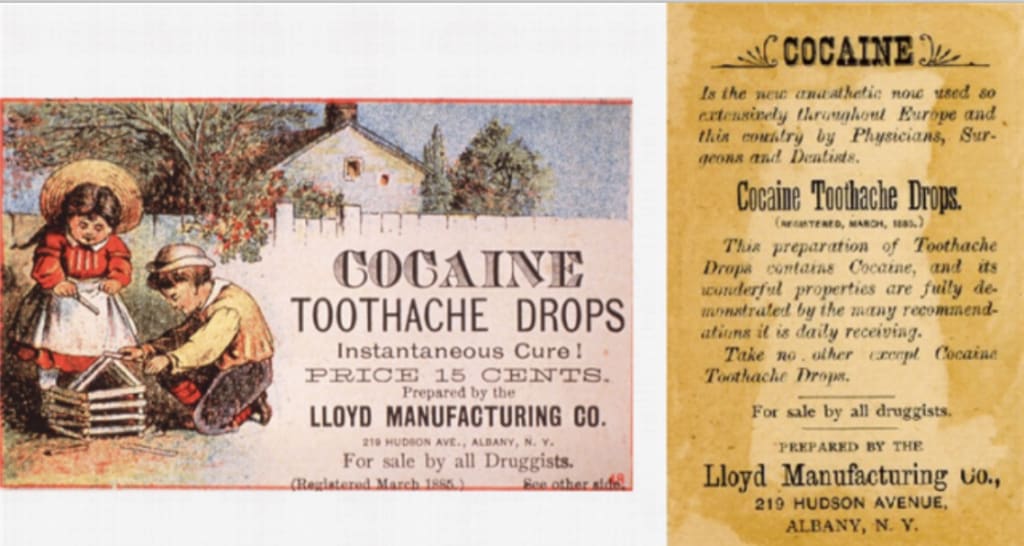
Most people know of cocaine from popular movies, news, and media. However, few know about the origin of this drug and how it became so popular in the mainstream before it became such a powerful and dangerous street drug. In this article, I will discuss the origin of cocaine, including the many uses of the drug prior to the criminalization of this powerful substance. Additional information contained in this article will explain cocaine use today and how to get help if you or someone you know is struggling with cocaine addiction.
The Coca Plant:
Picture it: a dense jungle in South America. People living off the land and discovering a captivating plant that had the ability to energize them and that played a significant role in their spiritual way of life. This is the origin of cocaine. The coca plant is derived from areas in South America, typically Colombia, Peru, and Bolivia.

It was first discovered by Inca and Aztec people, who would typically chew on the leaves to produce the desired effect. When chewed, the leaves produced a mouth-tingling, heart-racing impact on people that inspired many Peruvians to use it during religious ceremonies. It was also used to help people adjust to the harsh living environment because the mountain air was so thin in the area. Chewing on the leaves would supposedly initiate fast breathing, giving them the ability to breathe easier in those difficult environmental conditions. Beyond the realm of its South American origins, cocaine also eventually gained interest and popularity in other parts of the world.
Isolating the Drug:
In 1859, a German chemist named Albert Niemann was the first person to actually isolate the chemical producing the effects of the drug from the leaf. Once the drug had been extracted, the rest was history, quite literally. It has been reported that Sigmund Freud himself advocated for the drug during his use of cocaine in the 1880s, claiming it was a magical substance that could cure depression and other mental illnesses.
As word of this miracle drug circulated, traveling pharmacists began incorporating the drug into their medicines, claiming that cocaine was a “cure all” for many ailments and illnesses. During this time, drugs were not regulated, so medicine could be made by anyone, and anyone could add whatever they wanted to these concoctions. There were many cough syrups and cough drops that were marketed to mothers for their children to use when they were feeling ill!
Everyone assumed these medicines were safe because there was little research or information about the powerful and addictive qualities of cocaine at the time. Therefore, most people assumed medicines marketed by these traveling pharmacists were generally safe to use.
How It Gained Popularity:
In the 19th century, these traveling pharmacists became the centers of communities, building apothecaries and pharmacies in local neighborhoods. At these pharmacies, one could purchase any of the medicines and miracle elixirs as well as order a soda! The concept of the soda fountain actually came from pharmacies!
Soda, in its original invention, was intended to be consumed as a health drink with many benefits, i.e., different concoctions of drugs at the time that they thought were good for your overall health. The soda Dr. Pepper is called that because a doctor or pharmacist invented it! With the start of these apothecary and soda fountain shops, one of the most popular major soda companies was created: Coca-Cola.
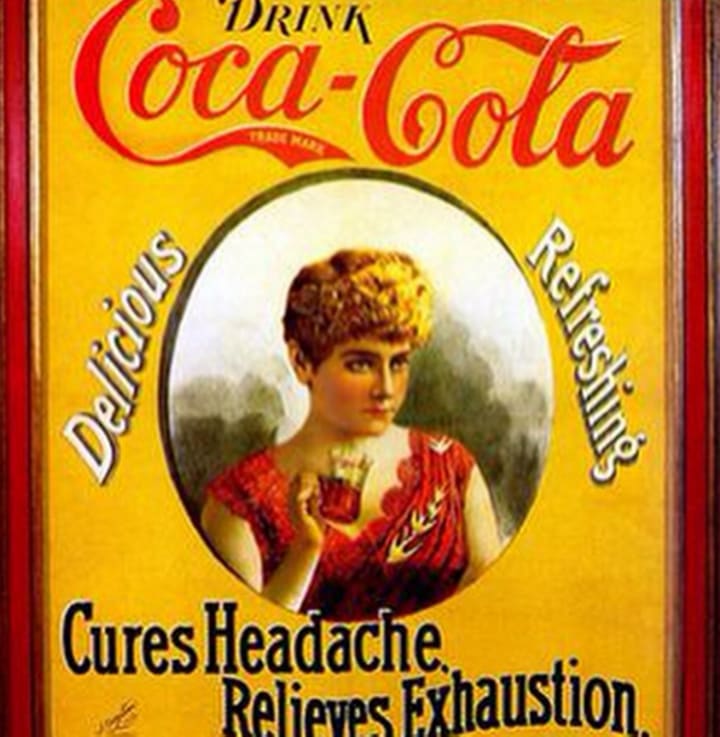
One of the most famous and notable uses of cocaine in the 19th century is the implementation of coca leaves as an important ingredient in this popular soda. John Pemberton, the inventor of Coca-Cola and known as a “pharmacist” at the time, had a secret ingredient for his special soda: cocaine. He introduced this into the drink, and it was a major hit.

The original Coca-Cola was a drink made with coca extract and kola nuts, but you won’t find cocaine in your drink anymore! The name of this popular soda, however, is derived from the ingredients it originally contained. Pemberton and consumers alike boasted about this drink's energetic and sometimes “euphoric” effects. The addictive nature of the cocaine also made Coca-Cola a large hit with consumers, as many people couldn’t get enough of this special drink. Its popularity and success are largely due to the fact that consumers were, in fact, becoming addicted to the drink!
Despite the great success of Coca-Cola at the time, in 1903, the cocaine ingredient was taken out of the formula. It has been reported that this was taken out because the flavor of the coca plant could be obtained from the leaves without extracting the cocaine as well, but it was probably also due to the fact that people were beginning to notice the powerful impacts of cocaine addiction.
Currently, Coca-Cola produces soda and still uses the coca leaves for flavoring. However, they extract the cocaine from the leaves in a processing plant, and then the Coca-Cola factory receives the coca leaves to be used in their factory for flavoring the soda. The processing plant keeps the cocaine and uses it for research and medical purposes under the DEA (Drug Enforcement Administration).
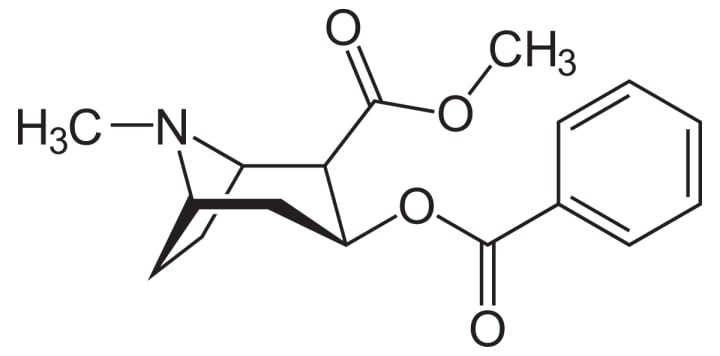
Cocaine, or aspects of the cain family of drugs, are still used in modern medicine today. Novocain, a derivative of cocaine, is used in many dentist’s offices as a numbing agent. Next time you have to get that filling and get a Novocain shot, keep that in mind!
Cocaine Today:
Despite its long history in the pharmaceutical field, it is well known today that cocaine is a largely abusable and dangerous drug, which is why cocaine itself is not prescribed as medicine anymore.
When we think about drug use and cocaine, typically, we are probably thinking about street cocaine, also referred to as crack cocaine. Crack cocaine differs somewhat from the pure powder form of cocaine because crack is referred to as the free base form of the drug. Freebasing is when you modify a drug to increase its potency.
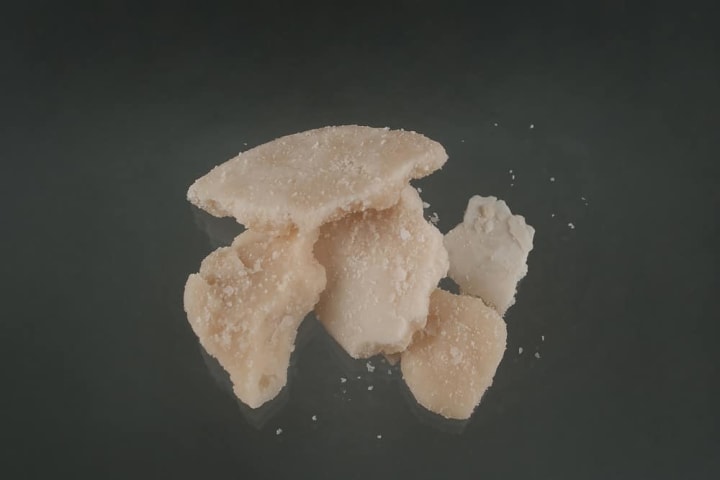
In the case of crack cocaine, the powder is combined with water and baking soda typically and then boiled into a solid form. This produces the solid you’ve probably heard of referred to as a crack rock. Freebasing any form of drug is very dangerous and very risky in itself, and a lot of times, drugs are cut with or formed using very dangerous substances in addition to the pure form of the drug itself.
Cocaine Use and Impacts:
Cocaine is typically ingested via snorting through the nose in powder form or smoked if it is crack. However, it can also be dissolved in water and injected intravenously into the bloodstream. Those who use cocaine typically start out by going on binges of cocaine. Once they start using, they want to keep obtaining that rush over and over again, so they will continually use large amounts in a short amount of time. This builds up tolerance and addiction in the brain. The behavioral patterns of doing the drug over time will lead to eventual addiction.
Cocaine specifically acts on the receptor dopamine in the brain. Dopamine is sometimes referred to as the feel-good hormone; it is a neurotransmitter in the brain that increases pleasure and acts on your reward system to make you feel good. It then becomes apparent and understandable why so many people become addicted to cocaine. They enjoy this feel-good moment and want to relive it repeatedly.

Many users use drugs to escape from their current circumstances. As many stories of addiction tell, those struggling a lot with many areas of their life are more likely to turn to drugs for a release or an escape from the everyday problems and stresses of the world.
However, eventually, because the brain has grown accustomed to functioning with these elevated dopamine levels, the brain becomes depleted when the person is not using, leading them to take the drug just to be able to function normally. To avoid the painful withdrawal symptoms, users will often continue using over and over just to feel normal.
Withdrawal Symptoms:
Withdrawal symptoms of cocaine use can be devastating and intense, making it difficult for a person to quit using the drug. Some symptoms include depression, slowed thinking, increased appetite, fatigue, disturbed sleep, and insomnia. Many users find that the only way to stop these bad withdrawal symptoms is to continue using, and that often makes it very hard and difficult for them to want to seek out treatment for their addiction.

Addiction Treatment:
Treatment for cocaine addiction usually involves therapy and medication. It is with this balance that a lot of people are able to overcome their addiction and lead normal lives. Some of the most useful and popular forms of therapy being used in cocaine addiction include CBT, or cognitive behavioral therapy, as well as motivational incentives.
CBT is a technique that helps to rewire your thoughts and examine behaviors and coping mechanisms. It is also widely known that using motivating factors and some types of positive reinforcers in drug addiction treatment, especially with a drug that is acting on dopamine receptors, is helpful. Small reinforcers and rewards for continuing to stay sober will also activate the dopamine in your brain, making you feel good about the choices you are making and giving you the ability to continue in your pursuit of sobriety.
Therapy alone does not cure cocaine addiction, however. It is also important to have a medicine to help combat cravings, especially when cravings get intense and too hard to handle on your own. Some of the most common medications used in cocaine addiction treatment include buprenorphine, modafinil, disulfiram, and lorcaserin.

Getting Treatment:
If you or someone you know is struggling with addiction, reach out to SAMHSA national helpline at 1-800-662-4357, where you can get information about treatment and help. If a loved one is struggling, be a support system for them, but don’t try forcing an “intervention” on them; those rarely work. Those who want help with treatment typically have to come to that conclusion themselves.
You can also reach out to support groups in your community for those impacted by a loved one’s drug use; you may be able to find answers or gain resources for future help. The important thing is to know what resources are out there and what is available to you and/or a loved one who is struggling with addiction. With proper support and treatment, cocaine addiction can be overcome.
(Disclaimer: I am NOT a medical professional. This content is accurate and true to the best of my knowledge and is not meant to substitute for formal and individualized advice from a qualified professional.)
Sources:
- “Cocaine DrugFacts.” (2021). National Institute on Drug Abuse, https://nida.nih.gov/publications/drugfacts/cocaine
- Hart, Carl L., and Charles Ksir. (2018). Drugs, Society, and Human Behavior (17th ed.). McGraw Hill Education.
- National Institute on Drug Abuse; National Institutes of Health; U.S. Department of Health and Human Services. 2018 July.
- “What is Cognitive Behavioral Therapy?” (2017). APA Div. 12 (Society of Clinical Psychology) – APA.org, https://www.apa.org/ptsd-guideline/patients-and-families/cognitive-behavioral.
About the Creator
Slgtlyscatt3red
Slightly scattered. Just a woman with autism and ADHD that loves to write poetry, create art, and sing.
Keep reading
More stories from Slgtlyscatt3red and writers in FYI and other communities.
A History of the Different Uses of Alcohol
Dating back centuries, even as far back as the Egyptians, alcohol has been mentioned and been used in society for different purposes. The most notable purpose for alcohol consumption is the social aspect of it, which most of us are very familiar with, but there are some other contexts in which alcohol is used and has been used in the past.
By Slgtlyscatt3red11 months ago in FYI
The Evolution of Data Connectivity in Aerospace Systems
The aviation industry has always relied on communication to ensure safe and efficient operations. In the early years of flight, data connectivity was extremely limited. Aircraft relied mainly on analog radio systems that allowed pilots to communicate with air traffic control through voice signals. These systems were simple but essential, helping pilots receive navigation instructions and share flight information with ground personnel.
By Beckett Dowhanabout 11 hours ago in FYI


Comments
There are no comments for this story
Be the first to respond and start the conversation.