
The Future of Stock Trading Software: Innovations and Trends to Watch
Key trends that are shaping the future of stock trading software. Artificial intelligence (AI) is being used to develop new trading algorithms that can make more informed decisions.

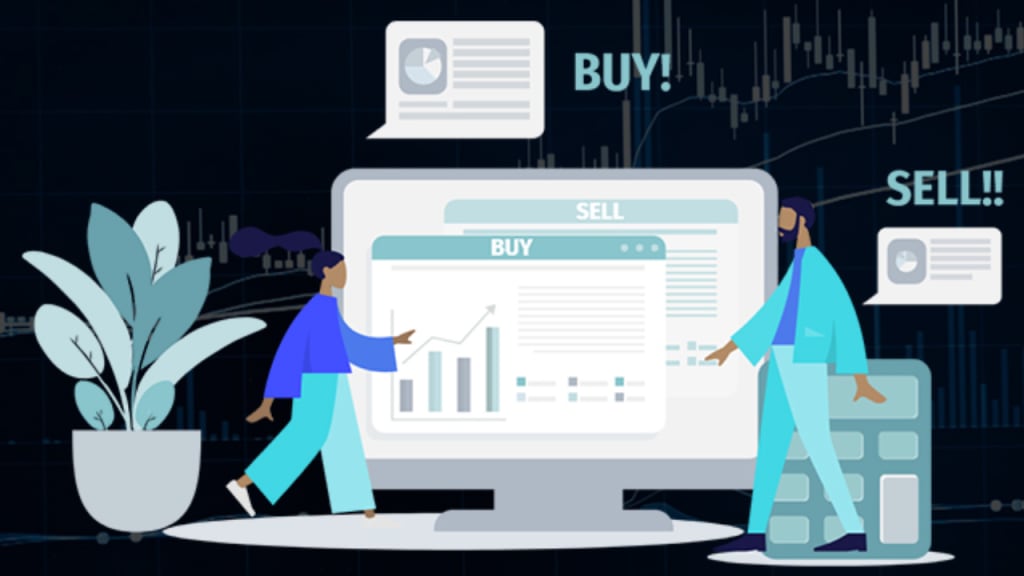
In this blog, we embark on a journey that transcends time, exploring the Future of Stock Trading Software: Innovations and Trends to Watch. Brace yourself for a whirlwind adventure through cutting-edge technologies and paradigm-shifting advancements, including the best online trading platforms that promise to redefine how we interact with the stock market.
We delve into the exciting possibilities by weaving together the threads of artificial intelligence, Blockchain, and quantum computing. Discover how predictive algorithms and machine learning reshape investment strategies while decentralized finance disrupts traditional models. Uncover the potential of quantum-powered simulations and their impact on decision-making processes.
Buckle up as we navigate the boundless horizon of possibilities that await, and equip ourselves with the knowledge to thrive in this brave new world of stock trading. The future is now – and it's time to seize it!
What is Stock Trading Software?
Stock trading software refers to computer programs and applications designed to facilitate and automate various aspects of stock trading and investment activities. Individual traders, investors, and financial institutions use these software tools to analyze market data, execute trades, and manage their investment portfolios more efficiently. The primary goal of stock trading app development is to assist users in making informed trading decisions, optimizing their trading strategies, and monitoring market movements in real-time.
Some common features and functionalities found in stock trading software include:
Market Data Analysis:
Stock trading software provides access to real-time market data, including stock prices, volume, historical charts, and technical indicators. Traders use this information to analyze market trends and identify potential trading opportunities.
Order Execution:
The software allows users to place buy and sell orders directly within the platform connected to various stock exchanges and brokerage firms. This feature ensures timely and accurate execution of trades.
Portfolio Management:
Traders can monitor and manage their investment portfolios, track the performance of their holdings, and assess overall risk and diversification.
Technical Analysis Tools:
Stock trading software often includes various technical analysis tools, such as moving averages, Bollinger bands, MACD (Moving Average Convergence Divergence), and other indicators that help traders analyze price patterns and trends.
Fundamental Analysis:
Some platforms offer access to financial statements, earnings reports, and other fundamental data, enabling investors to evaluate a company's underlying health and value before making investment decisions.
Backtesting:
Traders can test their trading strategies against historical market data to assess their performance and potential profitability in different market conditions.
Automated Trading:
Some advanced stock trading software supports algorithmic or automated trading, where predefined rules and conditions trigger trades automatically without manual intervention.
Customization and Alerts:
Users can customize the software to suit their trading preferences and receive alerts or notifications based on specific market events or conditions.
Stock Trading Software: Innovations and Trends to Watch

The stock market has undergone remarkable transformations over the years, with technology playing a crucial role in shaping how traders and investors operate. As we look ahead to the future of stock trading software, it becomes evident that cutting-edge technologies will continue revolutionizing the industry. In this article, we explore the innovations and trends likely to shape the future of stock trading software.
Artificial Intelligence (AI) and Machine Learning (ML) Integration:
AI and ML have already made their mark in stock trading by improving data analysis, pattern recognition, and predictive modeling. As technology advances, custom software development services can further enhance these algorithms, allowing traders to make more informed decisions based on real-time market data, news sentiment, and historical trends. AI-powered trading bots may also become more prevalent, executing trades autonomously and efficiently, leading to increased automation and reducing human bias in decision-making.
Quantum Computing in Stock Market Analysis:
Quantum computing has the potential to revolutionize stock market analysis. Its ability to process vast amounts of data simultaneously can accelerate complex calculations, making it ideal for optimizing trading strategies, risk assessment, and portfolio management. As quantum computing technology progresses, financial institutions will likely harness its power to gain a competitive edge in the market.
Augmented Reality (AR) for Enhanced Visualization:
Augmented Reality can transform the way traders interact with data and the market. AR overlays real-time market information and trading analytics onto the trader's physical environment, providing a more immersive and intuitive experience. For instance, traders could visualize stock trends, price movements, and order book data in 3D, leading to faster decision-making and more informed trading strategies.
Blockchain Technology and Cryptocurrencies:
Blockchain technology, popularized by cryptocurrencies like Bitcoin, is poised to disrupt traditional stock trading systems. Blockchain's decentralized and transparent nature as a trading software development company can enhance security and speed and reduce transaction costs. This technology may lead to the development of decentralized stock exchanges, allowing peer-to-peer trading without intermediaries and simplifying cross-border transactions. Moreover, integrating traditional assets with blockchain tokens could provide fractional ownership and enhance liquidity.
Big Data Analytics:
As the volume of data generated in financial markets grows exponentially, big data analytics will play an increasingly critical role in extracting valuable insights. The stock trading software will leverage big data technologies to process vast amounts of unstructured data, including social media trends, news articles, and even satellite imagery, enabling traders to stay ahead of the curve and make better-informed decisions.
Robo-Advisors and Personalization:
Robo-advisors have recently gained popularity, offering algorithm-driven portfolio management and investment advice. These platforms will likely become more sophisticated, incorporating AI and ML to deliver personalized investment strategies based on individual risk profiles, financial goals, and market conditions. The ease of use and cost-effectiveness of robo-advisors will attract more retail investors, democratizing access to the stock market.
Regulatory Technology (RegTech) and Compliance Automation:
As financial regulations become more complex, effective compliance becomes crucial. Developing A Crypto Trading App with RegTech solutions powered by AI can streamline the compliance process, automatically ensuring that stock trading software adheres to ever-changing regulatory requirements. This will reduce compliance costs for financial institutions, improve transparency, and reduce the risk of regulatory violations.
Mobile Trading and Fintech Integration:
Mobile trading apps have already transformed the stock trading landscape, enabling users to trade on the go conveniently. The future will witness further integration of fintech services into these apps, such as real-time payment solutions, micro-investing features, and AI-driven financial planning. This convergence of technology will provide a seamless and comprehensive trading experience for investors of all levels.
Conclusion:
The future of stock trading software is a convergence of cutting-edge technologies, where AI, ML, Blockchain, and augmented reality will work harmoniously to reshape the financial market landscape. These innovations will empower traders and investors with deeper insights, greater efficiency, and enhanced security, fostering a more inclusive and dynamic global stock market. As these technologies evolve, market participants must adapt and embrace the opportunities they present to stay ahead in the ever-changing world of stock trading.
About the Creator
Jenifer Clark
I am an SEO executive and professional content writer with an implacable 5 years of experience in the industry. Also work as a freelancer.
Keep reading
More stories from Jenifer Clark and writers in FYI and other communities.
Exploring Different Monetization Strategies For Real Estate Apps
Introduction In the rapidly evolving digital landscape, real estate apps have emerged as a powerful tool for property buyers, sellers, and real estate agents alike. These apps not only streamline property searches but also provide valuable insights and resources to users. As the popularity of real estate apps continues to grow, developers are exploring various monetization strategies to ensure their app's sustainability and profitability. In this blog, we will delve into different monetization approaches that real estate app developers can consider to strike a balance between revenue generation and user satisfaction.
By Jenifer Clark2 years ago in FYI
Aquaculture Market Size and Forecast 2025
Aquaculture Market Overview Aquaculture, also known as aquafarming, refers to the controlled cultivation of aquatic organisms such as fish, crustaceans, mollusks, seaweed, and aquatic plants. Conducted across diverse environments including freshwater ponds, coastal lagoons, offshore cages, and recirculating land-based systems, aquaculture has become one of the fastest-growing food production sectors globally. It plays a critical role in meeting the rising demand for protein-rich food while reducing pressure on overexploited wild fisheries.
By Aaina Oberoi3 days ago in FYI
The Devil's Cut
“Comrade, finally you’re awake.” The voice was smooth, sensual. A flickering incandescent bar was all that lit the white, sterile room. All Vladimir remembered was everything going black. He tried to move his arms and found them strapped to the gurney.
By Matthew J. Fromm5 days ago in Fiction



Comments
There are no comments for this story
Be the first to respond and start the conversation.