
The Future of Bioengineering: How R&D Tax Credits Spark Innovation
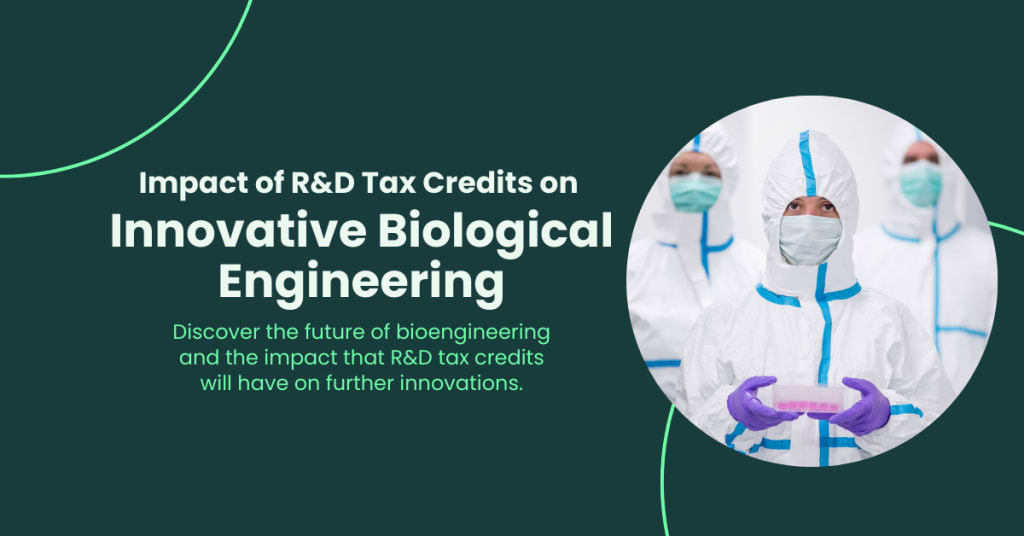
Impact of R&D Tax Credits on Innovative Biological Engineering
What is Bioengineering?
Bioengineering is an amazing field where science, technology, and engineering come together to solve problems. It's not just about cool gadgets or sci-fi movies. Bioengineering includes developing new vaccines, growing food in labs, and even bringing extinct animals back to life!
Bioengineers work on many projects that improve our lives in ways we might not even notice. They create new medical treatments, develop sustainable farming methods, and help protect the environment. Research and development (R&D) are crucial for these innovations, and R&D Tax Credits play a big role in supporting this work.
Understanding R&D Tax Credits
R&D Tax Credits are a government incentive to help businesses fund their research and development projects. These credits encourage companies to tackle scientific or technological challenges, helping them save money and continue their innovative work.
Major Breakthroughs in Bioengineering
Bioengineering has already made a significant impact on various aspects of our lives, from healthcare to environmental sustainability. Let's delve deeper into some of the most important breakthroughs in this field:
Polio Vaccine
One of the most remarkable achievements in bioengineering is the development of the polio vaccine. Polio was once a feared disease that caused widespread paralysis and even death, particularly among children. In the early 20th century, polio outbreaks caused significant public health crises worldwide. The invention of the polio vaccine by Jonas Salk in 1955 marked a turning point in the fight against this debilitating disease.
The vaccine works by using inactivated poliovirus to stimulate the body’s immune system to produce antibodies without causing the disease itself. Thanks to extensive vaccination campaigns, the incidence of polio has plummeted dramatically, with the disease now eradicated in most parts of the world. This success story underscores the power of bioengineering in transforming global health.
Lab-Grown Food
Lab-grown food represents a revolutionary step towards sustainable food production. Traditional farming methods are often resource-intensive, requiring large amounts of land, water, and energy, and can have significant environmental impacts such as deforestation and greenhouse gas emissions. Lab-grown food, also known as cultured or cell-based food, is produced by culturing animal cells in a controlled environment to create meat, dairy, and other products without the need for raising and slaughtering animals.
This technology not only addresses ethical concerns regarding animal welfare but also has the potential to reduce the environmental footprint of food production significantly. Companies like Beyond Meat and Impossible Foods are leading the way in creating plant-based alternatives that mimic the taste and texture of meat, while others are developing cell-based seafood and meat products that are expected to become more prevalent in the coming years.
MRI Machine
The invention of the MRI (Magnetic Resonance Imaging) machine has revolutionised medical diagnostics. MRI technology uses strong magnetic fields and radio waves to generate detailed images of the organs and tissues within the body. This non-invasive technique provides unparalleled clarity and detail, allowing doctors to diagnose a wide range of conditions, from brain tumours and spinal cord injuries to joint abnormalities and heart diseases.
The development of MRI technology is a testament to the power of bioengineering to create tools that enhance our ability to understand and treat medical conditions. Since its introduction in the 1970s, MRI has become an essential diagnostic tool in modern medicine, improving patient outcomes and advancing medical research.
Biofuels
Biofuels are a promising alternative to fossil fuels, offering a more sustainable and environmentally friendly energy source. Derived from biological materials such as plant biomass, algae, and waste organic matter, biofuels can be used to power vehicles, generate electricity, and provide heating. Unlike fossil fuels, which release large amounts of carbon dioxide when burned, biofuels are considered carbon-neutral because the carbon dioxide they emit was originally absorbed by the plants used to produce them.
This cycle helps to mitigate the impact of greenhouse gases on climate change. Advances in bioengineering have enabled the development of more efficient methods for producing biofuels, such as genetically modified algae that can produce higher yields of biofuel precursors. As the world seeks to reduce its reliance on fossil fuels and transition to cleaner energy sources, biofuels play a critical role in this shift.
Gene Editing
Gene editing, particularly through techniques like CRISPR-Cas9, has opened up new possibilities in treating genetic diseases and advancing biomedical research. CRISPR-Cas9 allows scientists to make precise changes to the DNA of living organisms, enabling the correction of genetic defects, the study of gene functions, and the development of genetically modified organisms (GMOs) with desirable traits.
In the medical field, gene editing holds the promise of curing genetic disorders such as cystic fibrosis, muscular dystrophy, and sickle cell anaemia by directly repairing the faulty genes responsible for these conditions. Beyond healthcare, gene editing is being used to improve crop resilience, enhance livestock health, and even combat pests and diseases that threaten food security. The ethical considerations and potential risks of gene editing are ongoing discussions, but its transformative potential is undeniable. diseases.
What’s Next for Bioengineering?
As technology keeps advancing, bioengineering will continue to transform healthcare, environmental management, and biotechnology.
In Healthcare
Personalised Medicine: Customising treatments based on individual genetic information.
Tissue Engineering: Regrowing damaged tissues and organs.
Biocompatible Implants: Creating safer and more effective medical devices.
In Environmental Management
Bio-Based Materials: Developing materials that are environmentally friendly.
Synthetic Biology: Using biology to capture carbon and produce renewable energy.
Microbial Solutions: Using microbes to manage waste and pollution.
In Biotech and Bioinformatics
AI Integration: Using artificial intelligence to discover new drugs and predict diseases.
Genomic Data Analysis: Improving our understanding of genetics.
CRISPR Expansion: Enhancing gene editing techniques.
Making the Most of R&D Tax Credits
To benefit from R&D Tax Credits, businesses should:
Keep detailed records of their R&D projects, including the goals and challenges they are addressing.
Track all costs related to their R&D activities, such as staff, materials, and software.
Avoiding Common Mistakes
When claiming R&D Tax Credits, watch out for these common pitfalls:
Wrong R&D Scheme: Make sure you're using the right scheme based on your company size and income.
Policy Changes: Stay informed about the latest R&D tax credit policies.
Lack of Evidence: Provide comprehensive documentation of your R&D projects.
How Alexander Clifford Can Assist
At Alexander Clifford, we are experts in R&D Tax Credits. With over 2,400 successful claims, we make the process easy and ensure your claim meets HMRC guidelines.
For detailed information, visit our website alexanderclifford.co.uk
About the Creator
Keep reading
More stories from writers in FYI and other communities.
A Failed Artist, A Disillusioned Poet, An Underpaid Game Show Host
I took my son and niece to Gori, a small town in Georgia where Joseph Stalin was born. They talked me into visiting the Stalin's Museum, the largest in the post-Soviet space. I had resisted going there because I just can't stand the monster and know enough about him, or so I thought.
By Lana V Lynx29 days ago in FYI
Instructions Included Challenge Winners
For the Instructions Included challenge, we asked writers to tell a story through instructions and to trust the form to carry what could not be said outright. Across the top entries, that trust paid off in many different ways.
By Vocal Curation Team6 days ago in Resources


Comments