
The evolution of Chinese landscape painting from Tang Dynasty to Yuan Dynasty
A criterion in the artistic conception of landscape painting -- there is poetry in the painting
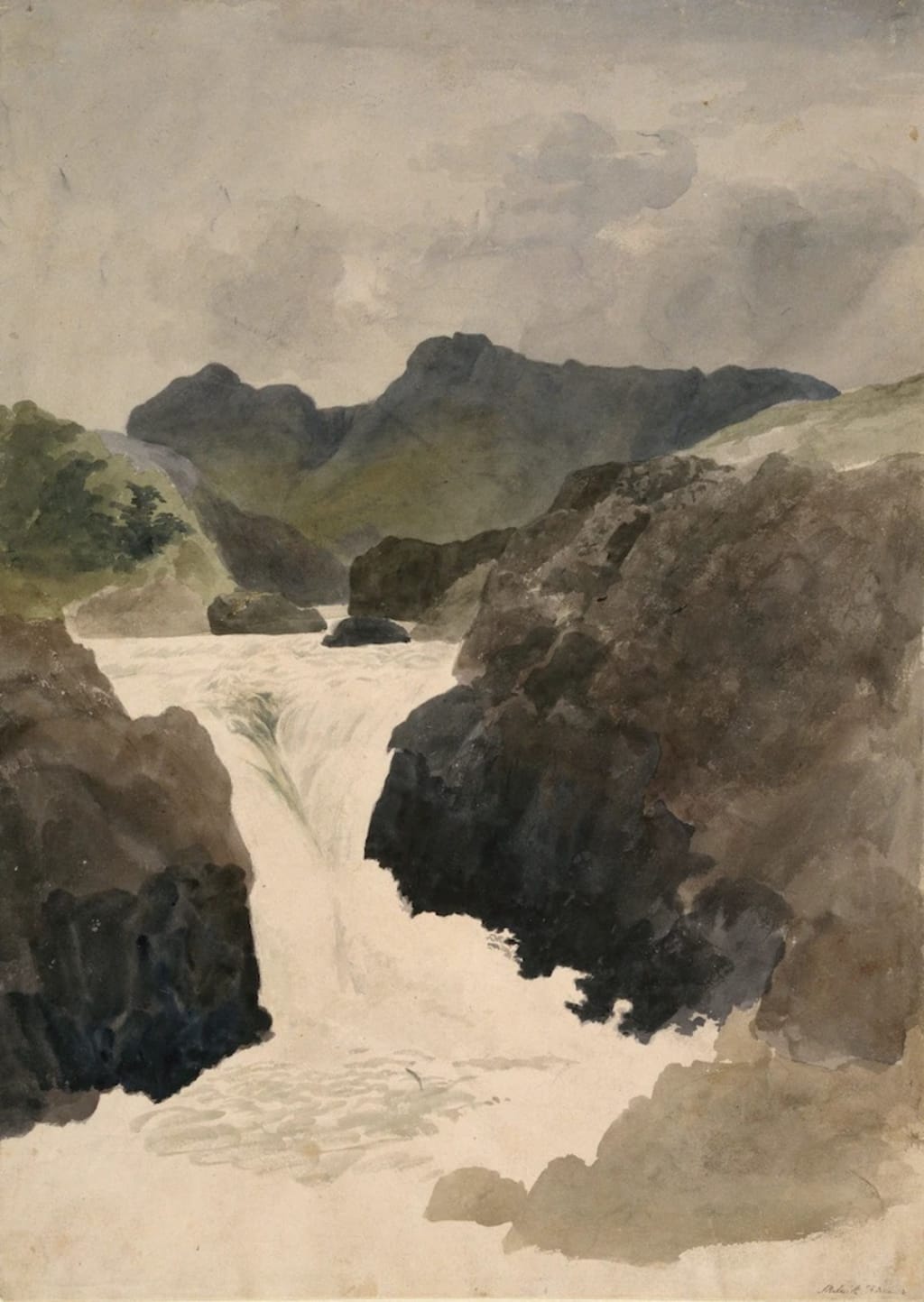
The Tang Dynasty began with Wu Daozi and became the "landscape change" by Li Sixun and Li Zhaodao, whose essence was the transformation from the pursuit of landscape spirit to the expression of landscape artistic conception. Wang Wei used the learning of a poet to develop the temperament of a painter, and revealed the relationship between poetry and painting in the field of literature and painting, thus putting forward a criterion in the expression of artistic conception of landscape painting -- there is poetry in painting. From spirit to artistic conception, it is not a vertical transition of historical clues, but a branch of clues, is an aesthetic parallel relationship. The raising of artistic conception in landscape painting is the change of emphasis in the development process of landscape painting and the perfection of aesthetics. Jing Hao, Guan Tong, Dong Yuan, Juran, Li Cheng and Fan Kuan in the early Song Dynasty perfected the artistic expression of landscape painting and pushed Chinese landscape painting to a historical peak. Landscape painting became the mainstream art of The Times during this period. The landscape painting of the Five Dynasties and the early Song Dynasty, known as the "hundred-generation process", combined the physical and technical skills of landscape in the field of expression, and put forward a new historical topic. The traditional landscape painting's focus on spirit and artistic conception turned to the technical level -- form. "Yuan Si Family" not only improved the ink and wash techniques of landscape painting, but also added the concept of "Yi" to the aesthetic category of landscape painting because of the characteristics of The Times. Although this aesthetic fashion with obvious characteristics of The Times has social reasons other than aesthetic appreciation, it creates a new standard in the field of artistic conception of landscape painting because of this opportunity, which is promoted as the highest criterion by later generations. Although literati painting disdainfully values skills, the aesthetic criteria attached to "brush and ink" put forward by literati painting in the field of landscape painting cannot be divorced from certain technical norms. The form of painting and the process of landscape are all based on certain technology, so people's division and interpretation of the North-South division is also based on the technical standard to establish the aesthetic norms of the southern school. The north-south division in the development of landscape painting is inevitable in a certain historical period, and is also an important event in the development history of landscape painting. To channel the disorder in the process of development with new technical standards and aesthetic norms, and return to the historical tradition, has actually shown the decline of landscape painting. Dong Qichang's exclamation to the present world explains many of these truths. Ming and Qing dynasties in the spirit and artistic conception of the landscape has been powerless, in front of the peak of the Song and Yuan people only admire and praise. In order to recover the decline of history, Dong Qichang played a "retro" banner. In a fashion that emphasizes too much ink and formula, painters can only devote their whole life to "fighting bloody Song and Yuan dynasties", and people can only identify their traditional origins and establish their artistic value through "imitation", "touch" and "copy". "Four Kings" created the last glory for landscape painting in the history of ancient Chinese painting, and finally disappeared in the twilight of the late Qing Dynasty.
About the Creator
Keep reading
More stories from Derek Cooper and writers in FYI and other communities.
Smart phones, Humans and Aliens.
WARNING. I will be tapping into one of your favorite creative tensions: The absurdity of humans worshipping their glowing rectangles as if they were tiny oracles. There’s something deliciously poetic about that contradiction, and it lends itself beautifully to an instructive proviso.
By Novel Allen5 days ago in Poets


Comments
There are no comments for this story
Be the first to respond and start the conversation.