
**The Enduring Legacy of Shakespeare: Why His Works Still Resonate Today**
**Exploring Shakespeare’s Timeless Influence on Language, Literature, and Culture**
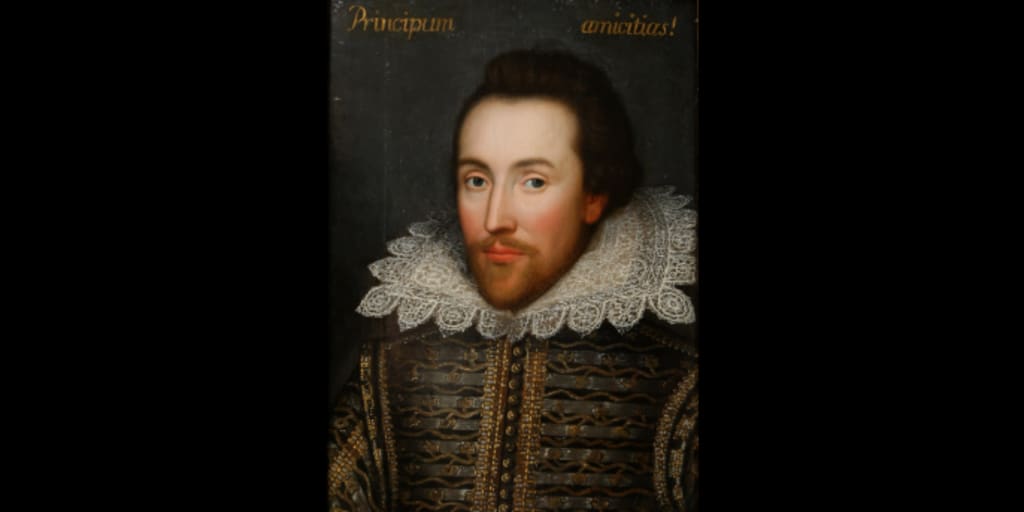
**The Timeless Genius of Shakespeare: Why His Works Still Matter Today**
William Shakespeare, the Bard of Avon, is widely regarded as one of the greatest writers in history. Despite living over 400 years ago, his works continue to be performed, studied, and admired worldwide. But what makes Shakespeare’s plays and poetry so enduring? Why do they still captivate audiences in an era of digital entertainment and modern storytelling? Let’s explore the timeless relevance of Shakespeare’s genius.
### **Universality of Human Emotion**
Shakespeare’s ability to capture the complexity of human emotions is unparalleled. His plays delve into love, jealousy, ambition, betrayal, power, and fate—feelings and conflicts that remain as relevant today as they were in the 16th century. Whether it’s the doomed romance of *Romeo and Juliet*, the tragic downfall of *Macbeth*, or the existential struggles in *Hamlet*, Shakespeare’s works speak to the very core of human nature.
One of the key reasons Shakespeare’s characters feel so alive is their depth. They are not merely heroes or villains but complex individuals with strengths and flaws. For instance, Othello, the noble yet insecure general, is both admirable and tragic. Lady Macbeth’s ruthless ambition is balanced by her later descent into guilt and madness. These multifaceted portrayals allow audiences to see reflections of themselves, making the plays emotionally resonant.
### **Influence on Modern Language**
Did you know that Shakespeare invented or popularized over 1,700 words and phrases? Everyday expressions like “break the ice,” “wild-goose chase,” and “fair play” all originated from his works. His linguistic creativity has shaped the English language, making his influence inescapable even in casual conversation.
Moreover, his mastery of poetic forms, particularly iambic pentameter, revolutionized the way English literature was written. His sonnets remain some of the most beautiful and profound explorations of love and time. Even today, writers, poets, and playwrights draw inspiration from Shakespeare’s eloquence and inventive use of language.
### **Impact on Literature and Pop Culture**
From classic novels to Hollywood films, Shakespeare’s influence is everywhere. His themes, characters, and plot structures continue to inspire countless books, movies, and TV shows. Even modern retellings, such as *West Side Story* (inspired by *Romeo and Juliet*) and *The Lion King* (a loose adaptation of *Hamlet*), prove how deeply embedded his storytelling is in contemporary culture.
His influence extends beyond literature and film; Shakespearean themes appear in music, theater, and even video games. Musicians from The Beatles to Taylor Swift have referenced his works, while video games like *The Witcher 3* incorporate Shakespearean themes of destiny and tragedy. His work is so ingrained in our culture that many people unknowingly quote him in daily conversations.
### **Lessons for Today’s World**
Beyond entertainment, Shakespeare’s works offer valuable lessons about society, leadership, and morality. His insights into politics (*Julius Caesar*), gender roles (*Twelfth Night*), and power dynamics (*King Lear*) provide thought-provoking commentary that remains applicable to modern discussions on governance, identity, and ethics.
For example, in a world still grappling with issues of corruption and power, *Macbeth* serves as a cautionary tale about unchecked ambition. *Othello* reminds us of the dangers of jealousy and manipulation, while *The Merchant of Venice* sparks conversations about prejudice and justice. His works serve as mirrors reflecting the challenges and triumphs of humanity.
### **Shakespeare in Education**
Shakespeare remains a staple in education systems worldwide. Studying his works teaches students about literature, history, and human psychology. His plays challenge readers to think critically, analyze language, and appreciate the nuances of storytelling. Many educational institutions use Shakespearean plays to introduce students to the richness of the English language and the art of performance.
Additionally, performances of Shakespeare’s plays in schools and theaters help foster creativity and a love for drama. Many actors, from Sir Laurence Olivier to Denzel Washington, have honed their craft by performing Shakespeare, showcasing how his works serve as a foundation for artistic development.
### **Conclusion**
Shakespeare’s legacy is more than just literature; it is a reflection of the human experience. His words continue to resonate because they speak to our shared emotions, struggles, and aspirations. Whether you are a student, a writer, or simply a lover of great stories, there is always something new to discover in Shakespeare’s works. His genius is not confined to the past—it lives on, inspiring new generations to find meaning in his timeless words. His influence can be seen in language, storytelling, education, and everyday life, proving that Shakespeare’s works are not just historical artifacts but living, breathing testaments to the power of words and imagination.
About the Creator
Europe Commercial Greenhouse Market Size and Forecast 2025–2033
The Europe Commercial Greenhouse Market is set for dynamic expansion over the coming decade, reflecting the region’s accelerating transition toward sustainable, technology-driven agriculture. According to Renub Research, the market is projected to reach US$ 22.67 billion by 2033, rising from US$ 11.5 billion in 2024, at a robust CAGR of 7.83% during 2025–2033. This growth is being driven by increasing demand for year-round crop production, the rapid adoption of Controlled Environment Agriculture (CEA), and a strong policy push toward climate-resilient and resource-efficient farming.
By Renub Research5 days ago in FYI




Comments
There are no comments for this story
Be the first to respond and start the conversation.