
The Curse of Tutankhamun's Tomb
Unraveling the Mystery

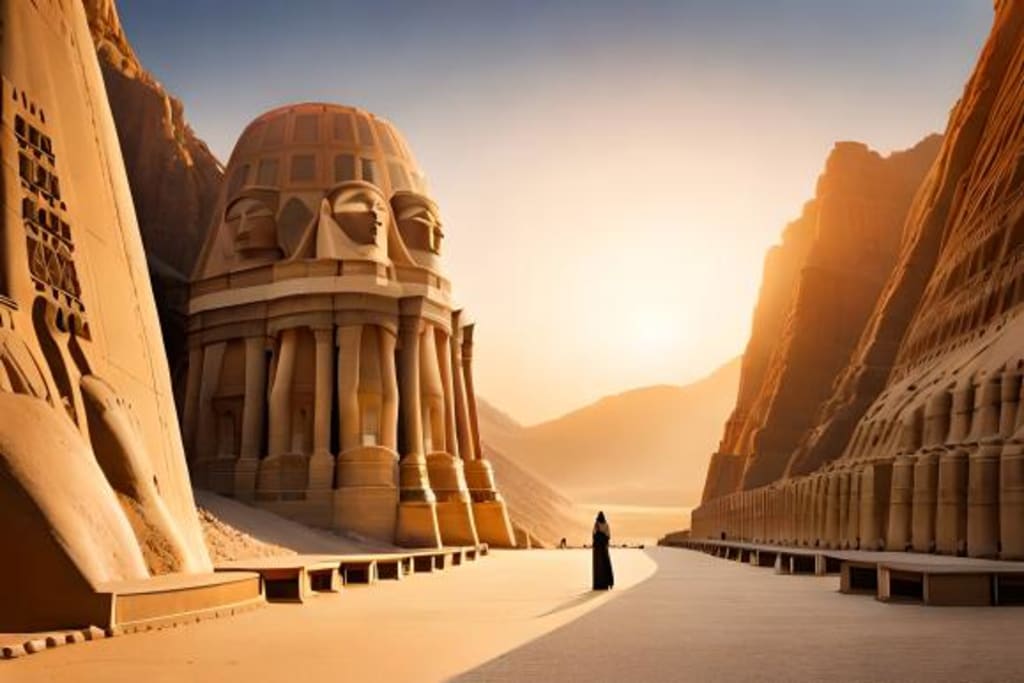
The story of Tutankhamun, the boy king of ancient Egypt, has captivated the world for centuries. His tomb, discovered in the Valley of the Kings in 1922 by British archaeologist Howard Carter, is renowned for its breathtaking treasures. However, alongside the awe-inspiring artifacts, tales of a supposed curse linked to the tomb have intrigued people worldwide. In this article, we delve into the mystery behind the "Curse of Tutankhamun's Tomb" and explore whether there is any truth to these chilling legends.
2. The Discovery of Tutankhamun's Tomb
Howard Carter's groundbreaking discovery of Tutankhamun's tomb was a momentous event in the field of archaeology. The young pharaoh's final resting place contained a treasure trove of ancient Egyptian artifacts, including his famous golden death mask. The world marveled at the beauty and historical significance of these findings, sparking a global fascination with Egyptology.
3. The Mysterious Deaths
- The Legend of the Curse
Almost immediately after the tomb's discovery, rumors of a curse began to circulate. According to the legend, an inscription on the tomb warned of dire consequences for anyone who disturbed Tutankhamun's final resting place. Supposedly, those who entered the tomb would face sickness, misfortune, and even death.
- Scientific Explanations
While the notion of a supernatural curse was compelling, many scientists and historians attributed the mysterious deaths that followed the discovery to scientific factors. The lack of modern safety precautions during the excavation and exposure to potentially harmful substances in the ancient tomb could have led to illness and fatalities.
4. The Curse Lives On
- Cursed Artifacts
Some believe that the curse extended beyond the tomb itself, affecting those who came into contact with Tutankhamun's artifacts. Several instances of misfortune, accidents, and even deaths have been linked to individuals who handled these ancient relics.
- Strange Occurrences
Throughout the years, there have been reports of strange occurrences surrounding Tutankhamun's tomb and its artifacts. From unexplained phenomena to eerie coincidences, these events continue to fuel the belief in the curse.
5. Unraveling the Mystery
- Historical Context
To truly understand the "Curse of Tutankhamun's Tomb," it's essential to delve into the historical context of ancient Egyptian beliefs surrounding death and the afterlife. Exploring the religious and cultural significance of curses and burial practices can shed light on the origins of the legend.
- Rational Explanations
While the curse has captured the imagination of many, rational explanations are often overlooked. Coincidences, suggestibility, and the power of suggestion may have played significant roles in perpetuating the curse's belief over time.
6. The Modern-Day Fascination
- Pop Culture and Media
The curse's allure remains strong in modern times, with various books, movies, and documentaries dedicated to the topic. The entertainment industry's portrayal of the curse has contributed to its enduring popularity.
- Tourist Attraction
Tutankhamun's tomb and its curse have become major tourist attractions in Egypt. Visitors from around the world flock to witness the historical marvel and experience the intrigue surrounding the young pharaoh's life and death.
7. Conclusion
The "Curse of Tutankhamun's Tomb" continues to be a captivating enigma that intertwines history, archaeology, and human fascination with the supernatural. While scientific explanations provide logical reasons for the mysterious deaths linked to the discovery, the allure of an ancient curse lingers on. Tutankhamun's tomb remains an unforgettable testament to the splendor and mystique of ancient Egypt, leaving us to ponder the thin line between reality and legend.
8. FAQs
Is the curse real?
The curse of Tutankhamun's tomb is a subject of debate. While scientific explanations exist, some believe in the supernatural aspects of the legend.
How many people died after the tomb's discovery?
The number of deaths attributed to the curse is a matter of contention. Several individuals connected to the tomb's excavation reportedly faced untimely demises, but the exact count remains uncertain.
What is the significance of Tutankhamun's tomb?
Tutankhamun's tomb is historically significant as one of the best-preserved royal tombs from ancient Egypt. Its discovery provided invaluable insights into the culture and practices of that era.
Why does the curse still capture our imagination today?
The allure of the unknown, combined with the mystique of ancient Egypt, keeps the curse of Tutankhamun's tomb firmly embedded in popular culture and our collective imagination.
Can visitors enter Tutankhamun's tomb?
Yes, Tutankhamun's tomb is open to visitors in the Valley of the Kings, Egypt. Tourists can explore the marvels and mysteries of this ancient archaeological site.
About the Creator
Keep reading
More stories from Sagar Karn and writers in FYI and other communities.
The Lost City of Atlantis
The story of Atlantis has intrigued people for centuries, capturing the imagination of historians, archaeologists, and dreamers alike. Described as an advanced civilization that vanished into the depths of the sea in a cataclysmic event, the lost city of Atlantis remains a topic of fascination and debate. In this article, we will explore the mystery of Atlantis, examining the evidence and theories surrounding its existence to determine whether it is a myth or a lost reality.
By Sagar Karn2 years ago in FYI



Comments
There are no comments for this story
Be the first to respond and start the conversation.