
The Color of a Product Can Be Protected from a Competitor
Do you know that a company can have legal rights to a color?

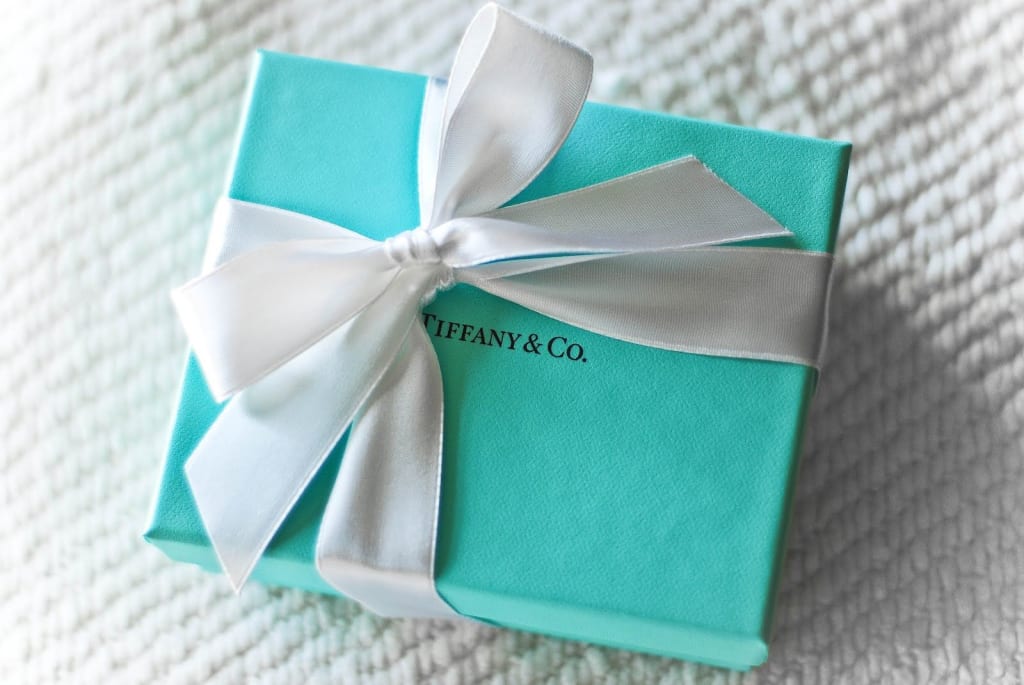
Most people know that a copyright protects writers' material and a patent protects inventors' work. However, very few people know that trademarks protect companies' brands, their logos, and even the colors they use. It is easier to understand that logos can be protected from competitors, but it is confusing and hard to believe that a company can trademark a special color to keep competitors from using that same color on their products.
Perhaps after reading this simplified article, more people will understand how trademarking a color works.
Trademarking a Color
Companies spend a lot of money over many years protecting the color that identify their products.
In 2019, the owner of a small startup company was threatened to be sued by T-Mobile because of trademark infringement. He wasn't in the same business as T-Mobile. He wasn't using T-Mobile's name, its logo, or anything similar to T-Mobile's advertisements. The new business owner was unaware that he had committed a crime by using the magenta color that T-Mobile had trademarked. That color appears on all of T-Mobile's products, advertisements, and correspondences.
Color Trademarks
It is possible for companies to trademark a specific color so competitors cannot use it. No doubt the public recognizes certain companies by their colors.
Companies have successfully trademarked combinations of colors. For example, Campbell’s soup labels do not have a single color. It has a mixture of colors. The United States Patent and Trademark Office will not trademark a single color because only about 1,867 solid Pantone colors exist. Therefore, John Deere cannot claim the single color green for its farm equipment.
Familiar Companies with Color Trademarks
Here are a few companies with familiar color trademarks that no other company can use.
- Tiffany & Co. trademarked its famous robin egg blue in 1998. Whenever consumers see that color on a box, they know the contents inside were bought from the well-known French-owned American luxury jewelry and specialty retailer that's headquartered in New York City.
- Since 1998, United Parcel Service (UPS) has had exclusive rights to its Pullman Brown as well as saying, "What can brown do for you?"
- 3M trademarked its signature canary yellow color for its Post-it notes.

- T-Mobile’s parent company, Deutsche Telekom AG, spent at least 12 years before it received the trademark for the color magenta for its products.
- Fiskars has a trademark for orange scissor handles.
- The Wiffle Ball, Inc. has a trademark on yellow for use in bats.
- After a 5-year legal battle, Owens-Corning became the first company in history to successfully trademark a color in 1985. It is the only company that has legal rights to use the pink-dyed hue for fiberglass insulation. Other companies can't use the pink-dyed insulation, but they can use the tan insulation that is found behind walls.
- Qualitex went all the way to the Supreme Court to get a trademark for the company's signature green-gold dry cleaning pads. The court ruled in Qualitex's favor.
- Louboutin has exclusive rights to the red bottom shoe soles. The company won a lawsuit in 2011 when Yves Saint Laurent infringed on the trademark red shoe soles.
- The estate of the late musician Prince currently has a trademark pending for the color purple.
A trademark of a color legally prevents other companies from using it. Keep in mind that the trademark color is only legal when it is used in connection to a particular product or service.
Why Colors Matter
Colors do matter. Companies and advertisers are aware of the effect color has on consumers. It might not seem important, but it could mean whether a consumer will purchase a product or not.
- 62%-90% of a consumer’s impression of a product is based on its color.
- 52% of consumers believe the color of the packaging is a good indicator of the quality of the inside.
- The color increases a product's recognition by up to 80%.
About the Creator
Margaret Minnicks
Margaret Minnicks has a bachelor's degree in English. She is an ordained minister with two master's degrees in theology and Christian education. She has been an online writer for over 15 years. Thanks for reading and sending TIPS her way.
Keep reading
More stories from Margaret Minnicks and writers in FYI and other communities.
How to Time Travel: 5 Methods According to Science
For a long time, the idea of traveling through time was tucked away in the "fiction" section of the library, right next to wizards and space monsters. But in recent years, the conversation has shifted. With mysterious "time traveler" photos popping up on the internet and physicists like Stephen Hawking weighing in, we have to ask: Is time travel actually possible?
By Areeba Umair6 days ago in FYI
The Devil's Cut
“Comrade, finally you’re awake.” The voice was smooth, sensual. A flickering incandescent bar was all that lit the white, sterile room. All Vladimir remembered was everything going black. He tried to move his arms and found them strapped to the gurney.
By Matthew J. Fromm3 days ago in Fiction


Comments
There are no comments for this story
Be the first to respond and start the conversation.