
The Art of Traditional Emmentaler Cheese Production: A Glimpse into Switzerland's Culinary Heritage
"Preserving Swiss Culinary Heritage: Unraveling the Timeless Art of Emmentaler Cheese-Making"

Introduction
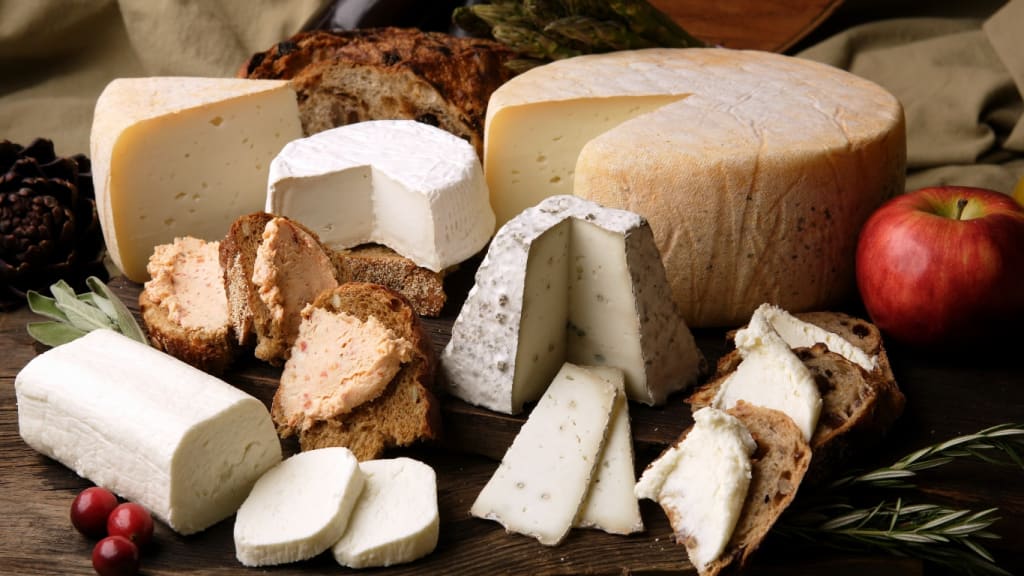
Emmentaler cheese, renowned for its iconic holes and distinctive nutty flavor, holds a special place in Switzerland's rich culinary heritage. Produced in the Emmental region, specifically in the village of Affoltern, just east of Bern, this cheese represents the epitome of traditional Swiss craftsmanship. In this article, we delve into the meticulous process of making Emmentaler cheese and explore the protected designation of origin (AOP) that ensures its authenticity.
The Emmental Region: Home of Authentic Emmentaler
With 80% of all Emmentaler production originating from the Emmental region, it is no wonder that this area is considered the heartland of this iconic cheese. The name "Emmental" derives from the nearby Emme River and the German word "Tal," meaning valley, aptly describing the picturesque landscape that sets the perfect stage for cattle grazing and cheese production.
Protected Designation of Origin (AOP)
Emmentaler AOP is a cheese that can only be produced within specific regions in Switzerland. Recognizing its historical significance and unique characteristics, the cheese received AOP protection from the European Union in 2002. To maintain its authenticity, strict qualifications must be met during production. The milk used must come from dairy farms located no more than 20 kilometers from the production site, and only raw milk can be used in the cheese-making process.
The Art of Emmentaler Cheese Production
The journey of Emmentaler cheese starts at the dairy farm, where the foundation of quality lies in the selection of high-quality raw milk. The milk is carefully heated to 32 degrees Celsius and infused with the essential ingredients: bacteria and rennet. This delicate process forms a harmonious relationship between the milk's fat and protein, setting the stage for the curds to take shape.
Next comes the precise cutting of the curds into small pieces, measuring four to six millimeters. Afterward, the curds are subjected to another round of heating, reaching 53 degrees Celsius, before being pumped into distinct forms. Under hydraulic pressure, the cheese is pressed for up to 12 hours, shaping it into the iconic wheels that are synonymous with Emmentaler cheese.
Aging and Hole Formation
Following pressing, the cheese enters an eight-week stay in a warm fermentation cellar, maintained at 22 degrees Celsius. During this time, the cheese matures, developing its unique sweet taste and smooth texture. Afterward, it is transferred to a storage cellar, where it is aged for up to two months before being collected by wholesalers.
One of the distinguishing features of Emmentaler cheese is its characteristic holes, or "eyes." These are created through a fascinating natural process. After about a month of storage, a specific strain of bacteria known as Propionibacterium shermanii consumes lactic acid and releases carbon dioxide, forming bubbles that get trapped in the cheese rind, giving rise to the iconic eyes.
Preservation and Brand Protection
To ensure the authenticity of Emmentaler cheese, several measures are in place. The cheese must bear the Emmentaler logo and a unique cheese number on the rind. This number allows customers to trace the origin of the product through Emmentaler's official website, Emmentaler Points.
The Emmentaler Switzerland brand works diligently to safeguard its reputation and protect the authenticity of its product. Being the most copied cheese globally, Emmentaler Switzerland employs specific bacterial strains that set its product apart from counterfeit versions.
Conclusion
Emmentaler cheese stands as a testament to the centuries-old Swiss cheese-making tradition. The combination of pristine natural surroundings, meticulous craftsmanship, and adherence to strict production standards makes Emmentaler cheese a culinary masterpiece. Protected by the AOP designation, this iconic Swiss cheese continues to be cherished worldwide, offering a taste of tradition and heritage in every savory bite.
About the Creator
Keep reading
More stories from Anu Preethi Danila D and writers in FYI and other communities.
Decoding the World of Chocolate: Surprising Revelations About the Irresistible Delight
Introduction: Chocolate, often hailed as one of the most delectable foods, captivates our taste buds with its rich and creamy goodness. However, there is much more to this beloved treat than meets the eye. From its labor-intensive production process to its diverse varieties, here are some intriguing facts that shed light on the fascinating world of chocolate.
By Anu Preethi Danila D3 years ago in FYI



Comments
There are no comments for this story
Be the first to respond and start the conversation.