
The Art of Identity: A History and Cultural Exploration of Tattoos
Beyond Rebellion
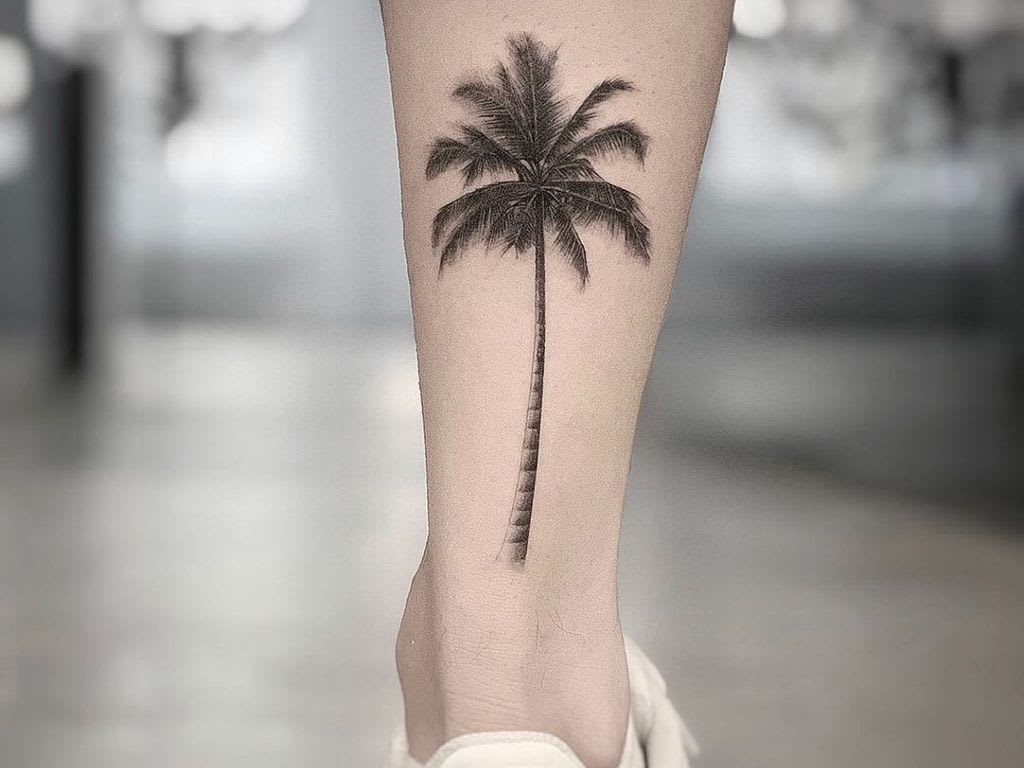
Tattoos have a long and complex history that spans cultures and periods. From ancient times to the modern day, tattoos have been used as a form of personal expression, cultural identity, and even spiritual or religious belief.
The art of tattooing involves the permanent application of ink or pigments to the skin, typically using a needle or similar tool. The process of tattooing can be painful and time-consuming, but for many, the result is a meaningful and deeply personal form of artistic expression.
Tattoos have been a significant aspect of human culture for thousands of years. The practice of tattooing dates back to prehistoric times, with evidence of tattooed human remains dating back to the 4th millennium BC. Throughout history, tattoos have been used to signify important cultural and social norms.
"The art of tattooing is one of the oldest forms of human expression and has been used to signify important cultural and social norms throughout history," says Dr. J. J. Ross, a cultural anthropologist. "Tattoos have been a way for individuals to express their identity and personal beliefs, as well as to signify their membership in a particular cultural or social group."
In many cultures, tattoos have been used to signify important social and cultural norms. For example, in ancient Egypt, tattoos were used to mark slaves and criminals, while in Polynesian cultures, tattoos were used to signify social status and familial lineage. In other cultures, tattoos were used to mark important life events, such as the transition to adulthood or the attainment of a particular status.
Throughout history, tattoos have also been used as a form of personal expression and artistic design. In the Western world, tattoos have been used to signify rebellion, counterculture, and individuality. The popularity of tattoos has waxed and waned throughout history, with periods of cultural acceptance and disapproval. However, in recent decades, tattoos have become increasingly mainstream, with many celebrities and public figures proudly displaying their ink.
The cultural significance of tattoos varies widely depending on the individual and their cultural background. For some, tattoos are a form of spiritual or religious expression, with designs that represent important symbols and beliefs. In other cases, tattoos are used to commemorate important life events or personal milestones, such as the birth of a child or a significant achievement.
While tattoos have become more mainstream in recent years, there are still many negative stereotypes and misconceptions surrounding the practice. Some people view tattoos as a sign of rebellion or criminal activity, while others view them as a form of self-mutilation or even a sign of mental illness. However, for many, tattoos are simply a meaningful and deeply personal form of artistic expression.
According to a 2019 survey by the American Academy of Dermatology, 30% of Americans have at least one tattoo, with millennials being the most tattooed generation. However, despite the growing popularity of tattoos, there are still many people who are hesitant to get inked due to concerns about employment, social stigma, or the permanency of the art form.
"The decision to get a tattoo is a deeply personal one," says tattoo artist and designer, Sasha D. "Individuals need to consider the potential consequences of getting a tattoo, as well as the potential benefits. For many people, tattoos are a way to express their individuality and personal beliefs, and to commemorate important life events."
The future of tattoos is difficult to predict, but the practice will continue to evolve and change. New styles and techniques will emerge, and the cultural meanings and significance of tattoos will continue to evolve. However, one certain thing is that tattoos will continue to be an important form of personal expression and artistic design for many people.
In conclusion, the art of tattooing has a long and rich history that is deeply intertwined with human culture and identity. The use of tattoos to signify cultural identity, personal expression, and spiritual belief has been a consistent thread throughout human history. The future of tattoos is difficult to predict, but the practice will continue to evolve and change. New styles and techniques will emerge, and the cultural meanings and significance of tattoos will continue to evolve. However, one certain thing is that tattoos will continue to be an important form of personal expression and artistic design for many people.
About the Creator
A Failed Artist, A Disillusioned Poet, An Underpaid Game Show Host
I took my son and niece to Gori, a small town in Georgia where Joseph Stalin was born. They talked me into visiting the Stalin's Museum, the largest in the post-Soviet space. I had resisted going there because I just can't stand the monster and know enough about him, or so I thought.
By Lana V Lynx17 days ago in FYI


Comments
There are no comments for this story
Be the first to respond and start the conversation.