Historical
Of Gargoyles, Chimeras and Grotesques
Who knew decorative water drains could be so fascinating? Originally crafted to prevent eroding and corrosion of cathedrals and religious buildings, Gargoyles are surrounded by myth and legacy. The idea is to gather the rainwater and throw it out, clear of the structure's wall through the snarling, gaping mouth onto the street - often on the pedestrians below.
By Kamna Kirti4 years ago in FYI
Winston Churchill: hero or villain?
The defacement of a statue of Winston Churchill during a Black Lives Matter protest in London has put the legacy of the wartime prime minister back under the spotlight. So is the man once voted the greatest Briton in a BBC poll still a hero or have the evolving views of society changed his legacy?
By T.P.Bloomfield4 years ago in FYI
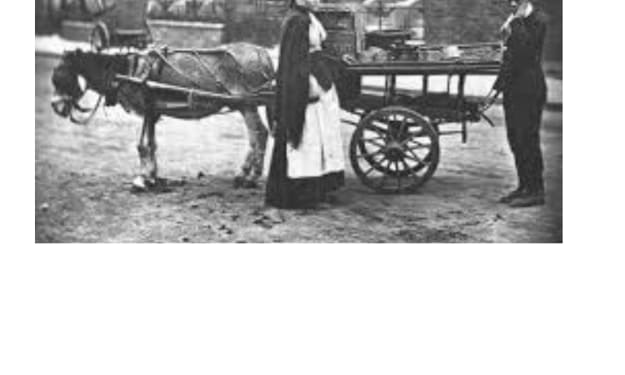
COSTERMONGERS IN VICTORIAN LONDON
Queen Victoria’s reign was the costermonger’s pinnacle, even though the word had been devised in the early sixteenth century. Costers were far from well-off; there were over thirty thousand of them, quite a big number in London, which was just under two and a half million.
By Paul Asling4 years ago in FYI
THE CEMETERY HIDING LONDON’S SEEDY PAST
It’s not often you stumble across a medieval burial ground that’s hidden in plain sight a couple of minutes stroll from London Bridge. If it wasn’t for the rows of flowers and ribbons in changing states of deterioration adorning the gate and railings, you might never know you’d come across Cross Bones Cemetery.
By Paul Asling4 years ago in FYI
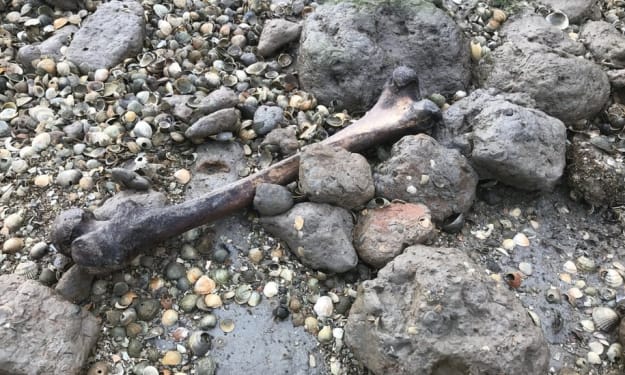
DEADMAN’S ISLAND
Deadman’s Island is perhaps the most haunting places in the UK. Lying opposite Queenborough, Isle of Sheppey. It has long been the topic of grisly folklore with talk of dead bodies, headless skeletons and red-eyed devil dogs. The gruesome place sounds like something from a pirate film.
By Paul Asling4 years ago in FYI
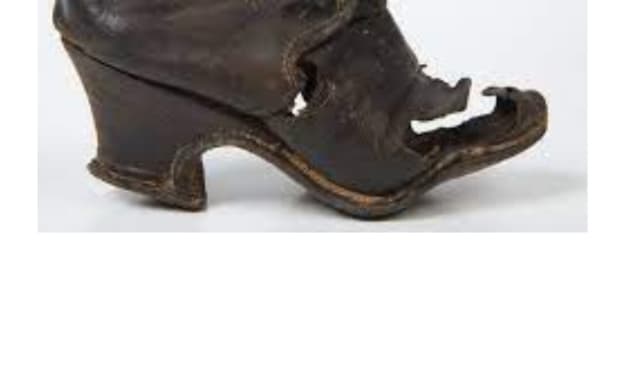
WHY ARE SHOES SOMETIMES FOUND BURIED IN OLD BUILDINGS?
Most of the finds date to the 18th and 19th Century and many buildings in Britain are thought to have hidden shoes buried in their walls. But why did superstitious owners and builders believe in this mysterious ritual?
By Paul Asling4 years ago in FYI
African American Women Inventors
Most people probably don’t realize that many African American women have contributed to medicine, science, and technology. Before the abolition of slavery, all slaves were prevented from patenting their inventions. If a slave invented something, the patent was granted to the slave owner. After the American Civil War, black and white women were often not given credit for their inventions. Instead, inventions were attributed to male family members. There’s no way of knowing how many inventions attributed to men were the creation of women.
By Brenda Reeves4 years ago in FYI
The Fascinating History of Cool Whip (An Underrated Slice of Americana)
It's pretty difficult to imagine a world without Cool Whip. It has been around for decades, and it is ubiquitous in American kitchens. But what you may not know about the whipped cream substitute is that its history goes back much further than just 1950s America. In this blog post, we'll explore the fascinating history of Cool Whip!
By Basketball Town News 4 years ago in FYI
The History of Pasta
Many people enjoy pasta for dinner, but few know the history of this delicious food. The word "pasta" comes from a Latin root meaning "paste." Pasta is made by combining flour and water to form a dough that can be rolled out flat or shaped into noodles. In Italy, there are many different varieties of pasta that vary in shape and texture depending on where they originated. From macaroni to spaghetti, we will discuss the origins and evolution of this staple food today!
By Basketball Town News 4 years ago in FYI
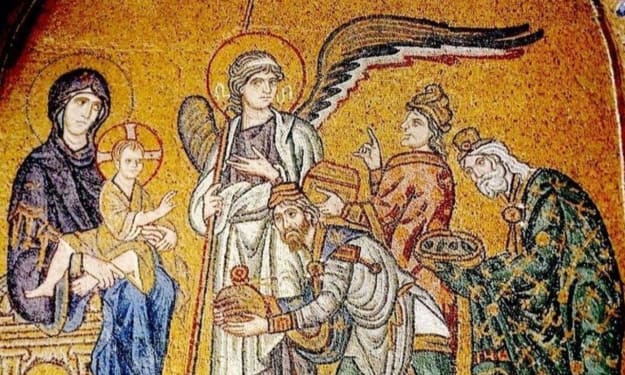
History of Twelfth Night and Epiphany
Twelfth Night is on January 5, the eve of Epiphany, which occurs in the Christian calendar on January 6. Epiphany signifies the event of the Magi, or Wise Men, visiting the baby Jesus, and is known in some Latin cultures as Three Kings Day.
By Bill Petro4 years ago in FYI
The History of Netball
Netball is a competitive team sport that combines elements of basketball, handball, and volleyball. It was invented in England in 1891 by Walter J. Minton, who called the game "netball." Originally it didn't have teams or umpires but gradually developed into an organized and popular sport with international competitions taking place as early as the 1920s.
By Basketball Town News 4 years ago in FYI
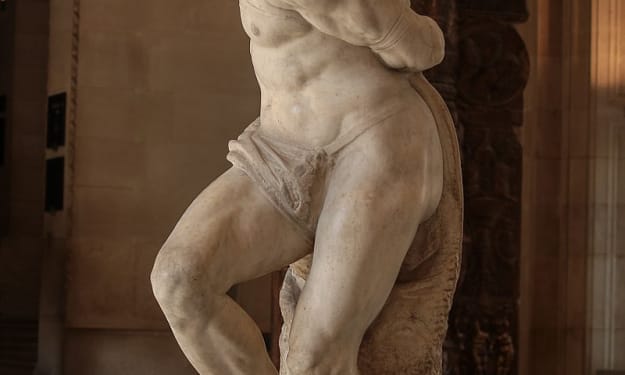
How Michelangelo's Slaves Were Destined to Travel France
The Rebellious Slave and Dying Slave are architectural marvels created by the maverick artist Michelangelo. These sculptures were commissioned by Pope Julis II for his architectural ensemble Tomb of Pope Julius II. But after the death of Pope Julius, the colossal tomb could never be scaled to the level the Pope wished. And the Slaves were destined to go to the King of France referred to as Louvre Slaves.
By Kamna Kirti4 years ago in FYI